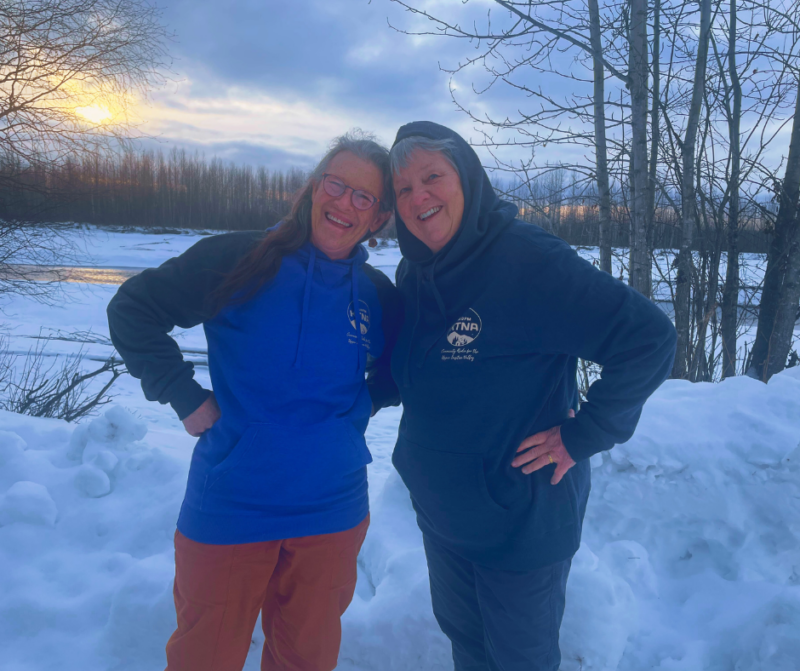
KTNA’s Katie Writer recently spoke with Brian Brettschneider, research climatologist with International Arctic Research Center and the University of Alaska Fairbanks. In this second segment, they discuss possible actions Alaskans can take to impact greenhouse gas emissions going forward. What follows is a transcript of a portion of their conversation. The transcript has been edited for clarity.
Katie Writer :
As we have been discussing the incredible pikes in temperatures, droughts, fires and glacier melt off for the summer of 2019, is the conversation with the general public of those that accept climate change or not getting any easier?
Brian Brettschneider :
I would say on balance, it is getting easier.
I think most people that I run into, you know, there’s not a lot of discussion about it. But I think what you see, from the policy side of things, that implementing change is difficult. There’s an inertia that’s difficult to overcome. And there’s always people that don’t want to do anything. And so, you know, from the policymaker point of view, the path of least resistance can sometimes be: “Yeah, I don’t know what can we do about it.”
But we are seeing quite a change, in again what I experienced but also what I see in interaction with other people. The discussion is more of: “What should we do?” …Not, “Should we do anything?”
Katie Writer :
We know that the carbon emissions are one of the great contributors, and how can we reduce this?
Brian Brettschneider :
And people don’t like to hear this, but there are certain, you know, regulations matter…things like vehicle fuel efficiency standards, or, you know, your refrigerator… energy efficiency, we don’t think about that much. But, you know, just the energy efficiency and household appliances has made a tremendous reduction in greenhouse gas emissions from power plants over the last several decades.
Katie Writer :
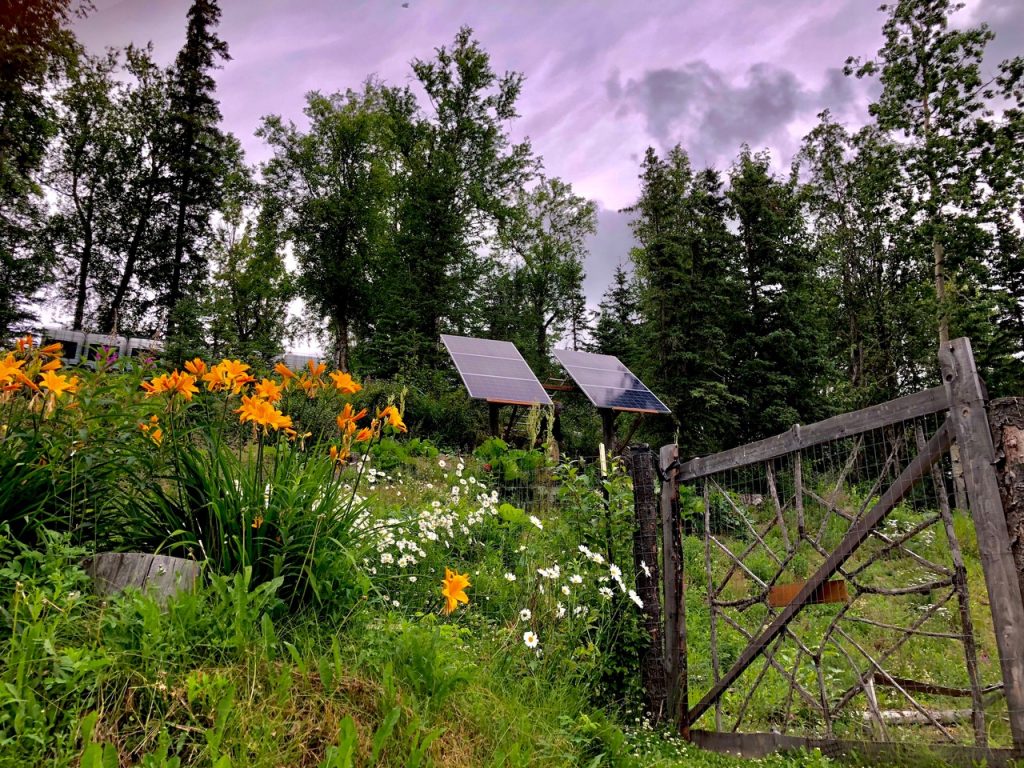
During the summers there’s a lot more sunlight and there’s the solar technology that is very capable. Do you have any comments about that?
Brian Brettschneider :
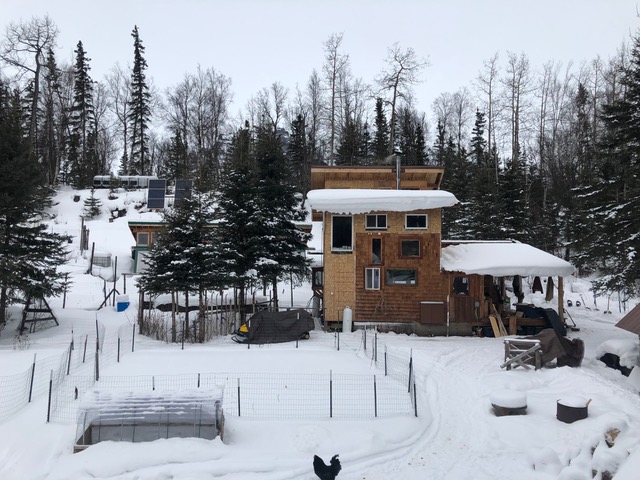
Renewable energy is in many cases now is cost effective or more cost effective than traditional energy sources, particularly for power, whether it’s a coal power plant, or now even natural gas power plants. And so it becomes a ‘win-win’ …you help the environment, you help the planet, you help future generations. But you also have lower fuel bills and something I would consider very Alaskan…is that you become less dependent; you don’t always need that power line coming into your house or your cabin if you are going to be generating your own electricity through solar or wind or whatever.
Katie Writer :
Well, it really is important to feel the potential of these technologies that are really… you know, a lot of Alaskans are already off the grid, you know, there’s a lot of people that are very savvy with that and when you see it, you see how simple it really is. And it’s a matter of the initial cost to set things up and the long term benefits are fantastic.
Brian Brettschneider :
Absolutely. And of course some are better suited than others. Right? So solar, works great in the summer and not so much in the winter. Much of interior Alaska, mainland Alaska; it doesn’t have wind in the winter or you worry about say, turbine blades getting rime coated or otherwise having problems in the cold. So you know, if you’re generating power in the summer off the grid, and then you’re plugged in for the other half of the year, you’ve reduced, your carbon footprint production by half. So, it doesn’t need to be an all or nothing. Little things can add up.
Katie Writer :
This fall in particular, there has been a lot of momentum building with young climate activists who are striking about climate change, including leader Greta Thunberg. Do you have anything you want to comment about that?
Brian Brettschneider :
You know, in my own kids who are now 12 and 14. They are inspired by the movement. You know, even for old people like myself, it’s inspiring. I was on my computer about two months ago and I got a little notification on my account that said, “Grete Thunberg has followed you.” Whoa, you know, I feel this now, a responsibility to put out useful information for people that are looking to make changes and make a difference in the world.
Katie Writer :
I think, if we were to highlight three things that we talked about here is: One, recognizing the changes. Secondly, is being able to discuss these changes and work together with amongst the various organizations. And thirdly, what little differences can people make?
Brian Brettschneider :
People sometimes get hung up… is a thing. “Well, you know, I need to change everything.”
Well, sometimes, if a lot of people change a little bit of things, then that can really, really, really add up.