Denali climbing season is back after being called off due to the pandemic last year, but it has come with a higher rate of accidents and medical issues on the mountain. In the first month of climbing season, there have been more search and rescue calls than in some entire years. National Park Service rangers attribute part of that to what they termed “Troubling Trends.”
Park Service Rangers identified a number of concerns in a post on the Denali Dispatches blog, titled “Troubling Trends,” including inadequate experience, attempting to summit too quickly, and not fully appreciating the difficulty of climbing Denali.
Tucker Chenoweth is the South District Ranger for Denali National Park and Preserve. Much of his job involves overseeing ranger patrols, and he has years of experience in search and rescue, himself. He says Denali, even along the popular West Buttress route, brings a host of unique challenges.
“The West Buttress is not easy. Technically it’s not hard, but then you factor in the remoteness, and you also factor in the altitude. Then an Alaska Grade 2, which is what the West Buttress is, becomes a serious endeavor.”
As of Wednesday, there have not been any fatalities reported on Denali, but there have been severe accidents, including a thousand-foot fall high on the mountain that left Canadian climber Adam Rawski in critical condition. There have also been many cases of high-altitude pulmonary edema reported.
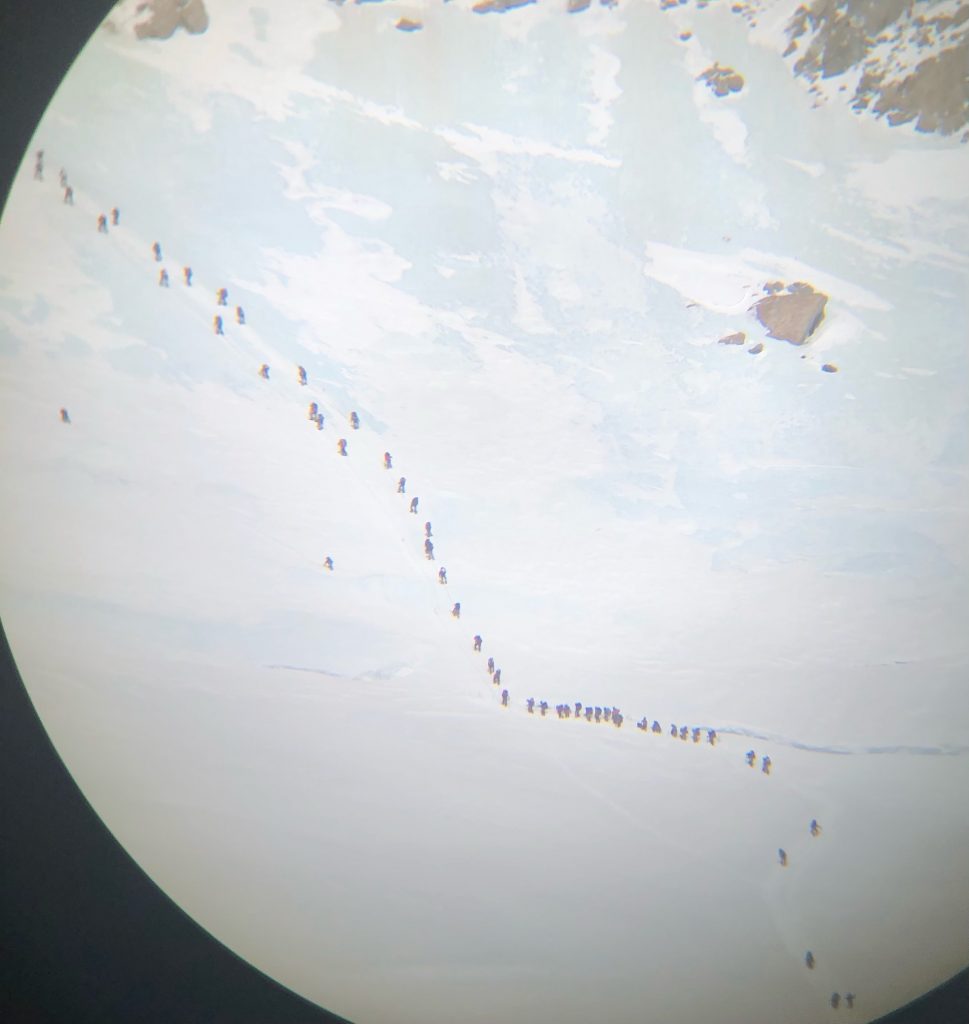
Chenoweth says the popularity of the West Buttress Route can make it easy to forget the remoteness of Denali. For a significant portion of this climbing season, there have been more than 400 people on the mountain at once. Even then, Chenoweth says the hundreds of people and mutual support that they can provide can suddenly vanish.
“Let’s say you get to High Camp and a bunch of teams have summited, and now they’re gone and you’re up there. All of a sudden that wilderness component where you’re the only team–or maybe it’s summit day and you’re really late in the evening and everyone else is already down below you. You’re so far out there at that point that the remoteness–it may be the first time you feel it.”
Chenoweth says one thing that tends to lead to problems is when climbers form ad hoc teams on or off the mountain.
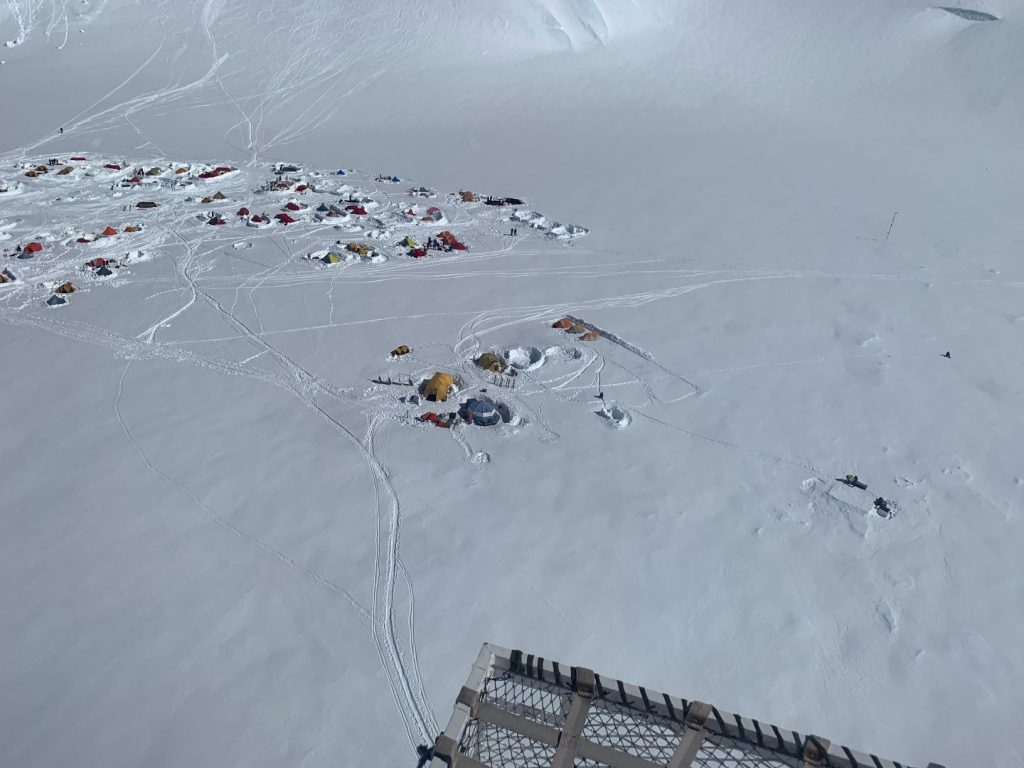
This can happen before a trip begins or if a climber’s partners have to turn back before making it to the summit. A common point to give up an attempt on Denali is at around 14,000 feet. Chenoweth says forming a new team at that point poses additional challenges.
“Then people start looking for partners, but they don’t know them. They don’t know their technical skill. There’s no camaraderie, no teamwork. At that point, it feels like a summit-driven decision.”
Chenoweth says some of the teams formed mid-expedition have met with unfortunate results, including serious injuries and fatalities in recent years.
Another trend that rangers say is a cause for concern is when climbers attempt the summit in one long push from 14,000 feet, instead of resting at High Camp at 17,000 feet before a summit bid. While Fourteen Camp and High Camp are just a few lateral miles away from each other, Chenoweth says the impacts of that jump in elevation shouldn’t be underestimated.
“The problem with that is it’s a long ways. Maybe at lower elevation peaks you may be going to 14,000 feet, but that’s your high point, and this one starts at 14,000 feet.”
A typical summit attempt involves leaving a lot of gear behind and moving light and fast to try to make it to the top and back in one day. If a group making a longer summit attempt encounters a problem, they may find themselves needing to rely on other teams for food or tent space.
There’s no guarantee that National Park Service rangers will be nearby or able to help when a group runs into trouble. In many cases, professional guides leading groups of paying clients step in to provide what help they can.
Caitlin Palmer is co-owner of Alaska Mountaineering School, a guide service based in Talkeetna. She says AMS guides’ instinct is often to help whenever they can, but that can impact the group they are leading as well.
“A lot of our guides are sort of superhuman and can do some extraordinary things up there at high altitude, but it does impact not only the patient’s life in a big way, but also the rescuers and the people the rescuers are responsible for their safety.”
Palmer says she was happy to see the National Park Service talk openly about the problems they’re seeing on Denali, and she hopes that climbers will follow the advice.
“A lot of it isn’t brand new, but it’s important for the Park Service to bring these incidences to light. Hopefully these climbers who are not experienced enough yet will take some time to learn more skills and slow their pace down.”
As of Wednesday a bit more than a third of the expected attempts on Denali have been completed, and professionals in both the public and private sectors are hoping that prudent decisions mean fewer incidents going forward.