A new, five-year study on climate change in the Arctic is underway, and the group behind it hopes to take a multi-disciplined approach to both the research and the products that come out of it.
The name of the research project is Study of Environmental Arctic Change, or SEARCH. Work began in September, and the plan is to continue for at least five years.
The SEARCH project aims to be both multi-disciplinary and multinational. In addition to studies in the United States, there are teams in Canada, Norway, and Russia.
Multinational does not only refer to borders between countries, however, as Jackie Qataliña Schaeffer explains.
“Alaska has eleven distinct cultures, [and] over twenty recognized languages. We are spread across over 400 million acres of land, so we have to look at this through a lens that is not only broad, but respectful.”
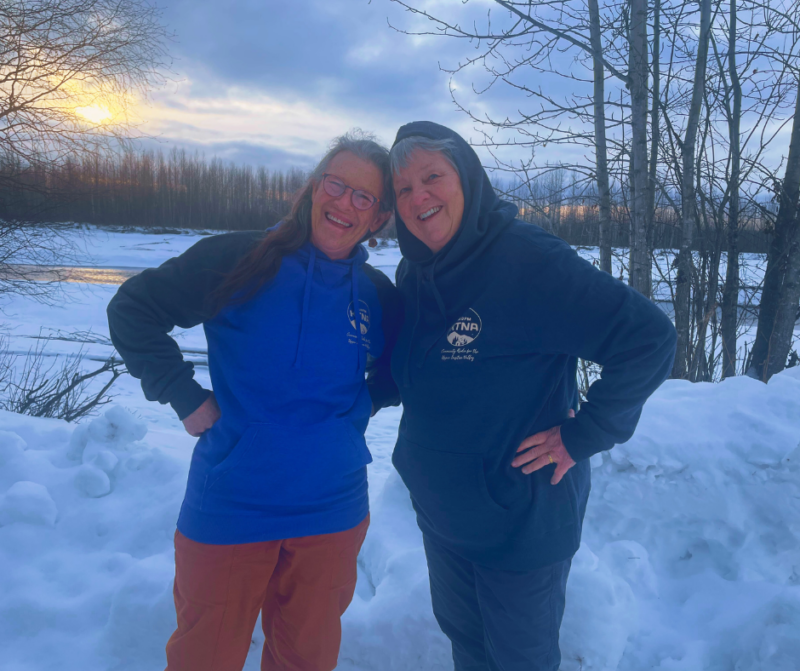
Schaeffer is Community Development Manager for the Alaska Native Tribal Health Consortium and co-leads one of the SEARCH teams. Those teams make up the core of the project’s multifaceted approach. The idea is to bring together Indigenous communities, scientists, and decision-makers in the public and private sectors from the beginning.
Francis Wiese, a marine scientist, co-leads another of the SEARCH teams. He hopes that incorporating groups outside of the traditional scientific community will yield more useful results.
“We need to bring together different ways of knowing about the environment and what it means to people, so what comes out is meaningful. And we can inform decision-making in a more applied, realistic way.”
By making the results of the research approachable and relevant with input from various groups, Wiese says SEARCH aims to produce information that is actionable.
“If the community of Palmer, or Talkeetna, or Nome, or Anchorage, or whoever decides to invest in infrastructure or some kind of new business development…what information do you need to actually do that?”
While SEARCH is focused on the Arctic, both the causes and effects of climate change extend well south of the Arctic Circle. In areas like the Northern Susitna Valley, receding glaciers, melting permafrost, and the potential for more extreme weather have implications for the area’s tourism industry, but Schaffer says it goes much further than that.
“The only thing being affected is not tourism. You’re looking at a food resource…your water security. Everything will be impacted, because it’s a ripple effect.”
As part of the early phases of the research project, SEARCH is looking for those public and private sector decision-makers and Indigenous leaders. The teams are currently accepting nominations for various committees. Schaeffer believes there are roles outside of the project itself, down to a very local level, for those who might be interested. She says part of that is beginning to ask questions around what climate change might mean for communities in the future.
“Do we have any adaptation plans? Do we even know what’s happening here? Have we had the climate assessments done? So, there are a lot of things that can be done locally that feed into what our project is.”
In addition to preparing for the immediate future of climate change and exploring ways to slow it, Schaeffer believes taking action and formulating a base of knowledge now will make it easier for future generations to address climate change going forward.
“And if we engage now, we can engage our kids. So by the time they’re in our shoes, they have tools to respond.”