Twenty seven miles west of Anchorage, along one of the Ivan River arms of the Susitna estuary, Talkeetna resident Mike Wood and his business partner Ryan Peterson from Anchorage have a fishermen to seller direct setnet operation that provides sustainable meat to people in Anchorage and the Mat-Su—Susitna Salmon Co.
Wood explains that he and Peterson formed their business with the goal of battling the construction of the Susitna-Watana Hydroelectric Project.
But it was all about an ethic. In Ryan’s mind, keep the head on. Look into the eye of the fish. You want to see a whole fish, not just cut-up meat.
The crew started with just a few, but Peterson says they couldn’t have done it without all the people who have been up to help over the years.
Neither of us come from fishing families. We just kind of started. A lot of Alaskan commercial fishermen are multi-generational folks who learn from previous family members and stuff, and we had to figure it out on our own.
Wood started coming up to the Cook Inlet in 2014, and the dam project was halted in 2016, but Su Salmon Co still has the same mission. They try to sell locally and consciously, explains Peterson.
For multiple reasons. Smallest possible carbon footprint, but also it just increases appreciation if you know you’re getting your food from your backyard, you’re going to pay more attention to your backyard in the long run.
The Susitna River isn’t often seen, because there’s only a handful of places where the road meets the river. You need a boat or a plane or a reason for going out on it. However, even though it’s not accessible by road, most of the population of the state lives right along it.
Wood and Peterson hope their small salmon-selling operation inspires people to at least associate their food with the river, and at best care about it more.
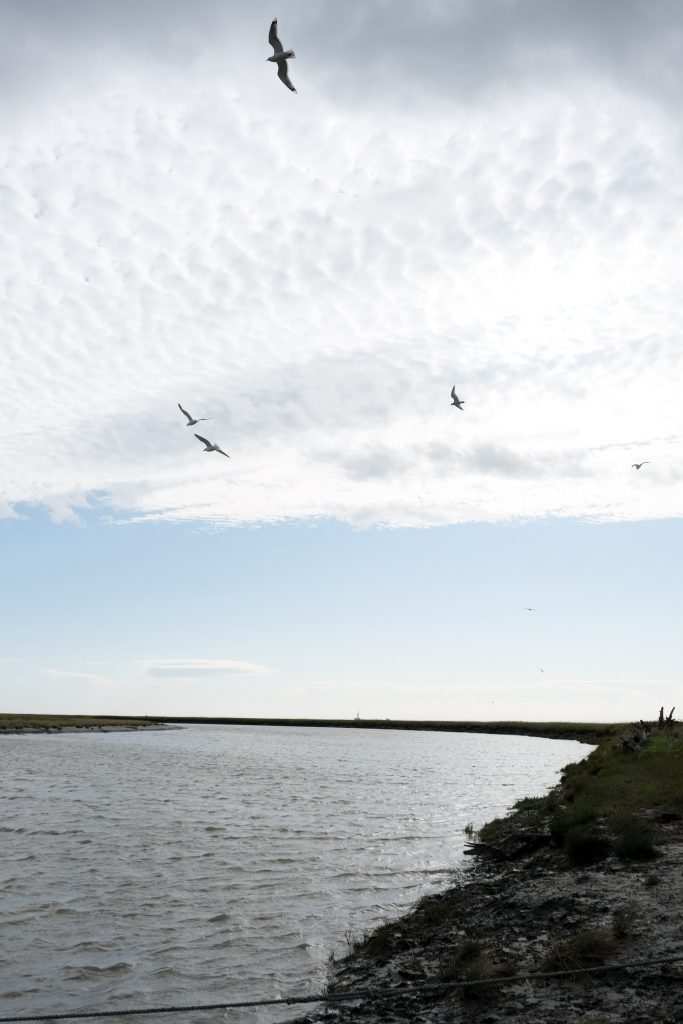
That’s why being down here is so cool. It’s like immersing yourself in the artery of the Su. Like, all the life pulses through here, right now. The whales, the seals, the salmon, the birds.
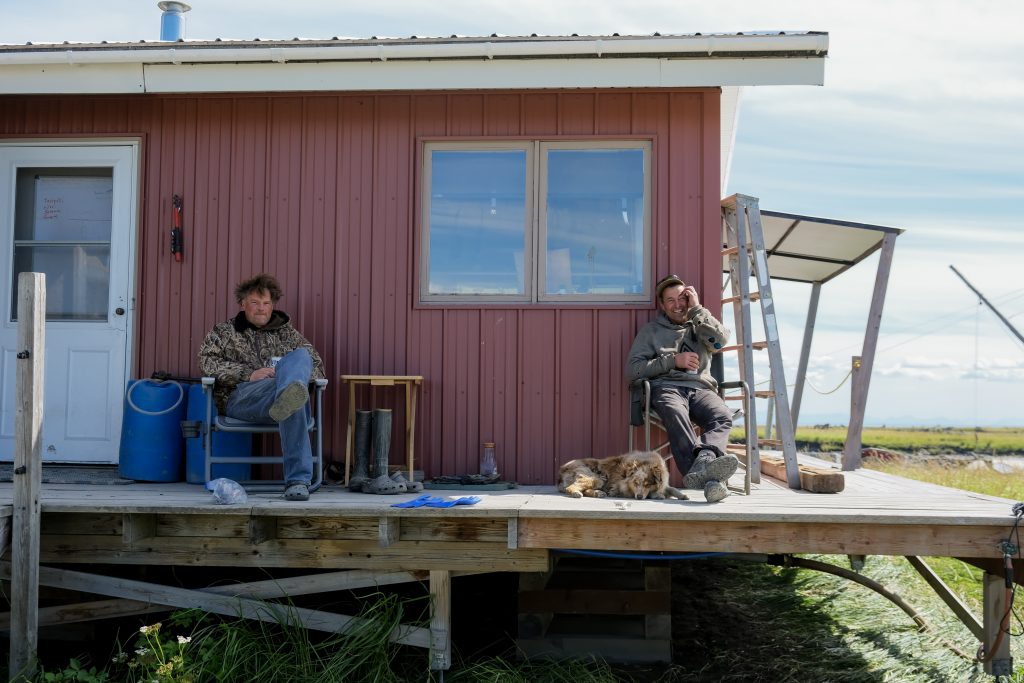
The camp is a small cluster of cabins that Mike built himself. The glittering lights from Anchorage flash across the inlet, and almost every mountain range in Alaska can be seen.
Nathaniel Herz, a friend of the co-founders and fellow crew member, says that’s his favorite part about spending a few weeks up here every year.
You can look back across Cook Inlet fifteen minutes on a plane and you land in a city with 350,000 people, some of whom are your friends who will buy the salmon that you’ve pulled out of this glacial water.
The crew fishes for two days a week, following northern district Cook Inlet guidelines. On their off days, they take orders and prepare the fish.
There is a four-hour incoming tide, and it takes eight hours for the water to trickle back out. The Su Salmon Co crew looks at the tide chart and has their boat and the nets ready to go out on an incoming tide, just as the water starts to return to the fishing spot.
Ideally, our nets are actually out of the water towards the beach. Because the fish are right at the edge of the water and the mud.
They enter the water in a frenzy, setting and then picking their nets. They break the fishes’ gills immediately, then toss them in an ice slurry.
Once they have enough fish to complete their orders, they return to shore speckled with mud and blood, where they finish the gutting and cleaning process. Their fish are “gutted, gilled, and chilled.”
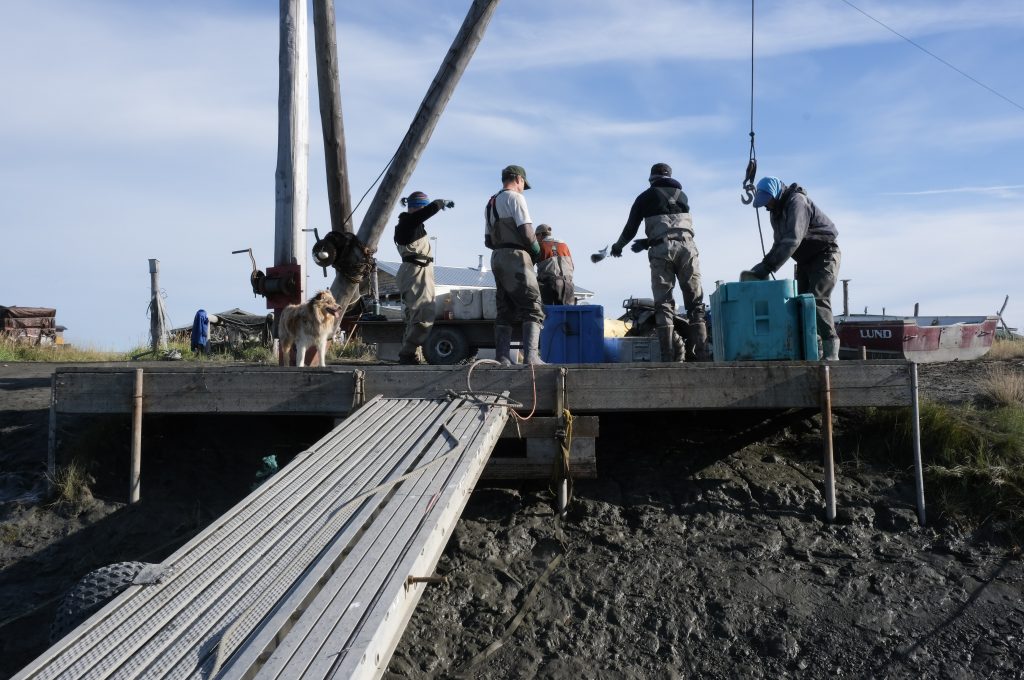
And that’s kind of our magic, I think. So we really catch few fish, treat them really well, and we charge I think a fair price for the effort that goes into them.
Wood says he couldn’t do half of what he does without the support of his wife, Molly Wood, and the head of orders and operation in Anchorage, Melissa Heuer.
He spends one month fishing, and in his off season is the chair of the board for the Mat-Su Fish and Wildlife Commission.
And I think harvesting fish is the same way as harvesting firewood to feed your wood stove. It really matters. You put it away.
As sun goes down over fish camp and the smell of fire smoke wafts over everything, Mike sits back, puts his hands behind his head, and gazes across the inlet at the lights in Anchorage.
For KTNA, I’m Nell Salzman.