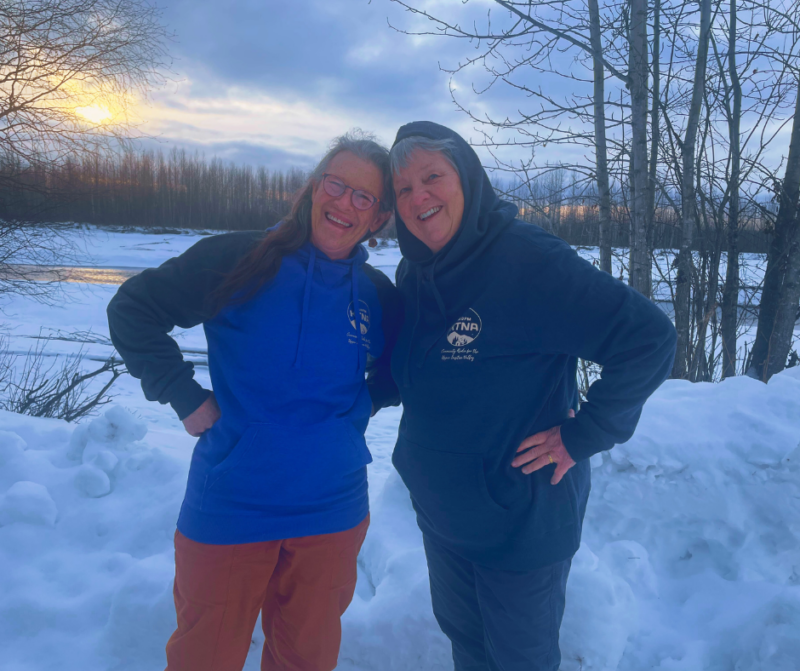
Mike and Paula Mason have owned and operated a remote and back country peony farm at the north base of Mt. Susitna for the past 28 years. It’s an unique lifestyle, but one that they just fell into.
One of the big things is that we can be out in nature. And dealing on nature’s terms, and nature’s timeline… Those kinds of things appeal to both of us. And what better place to have that happen than here.
Mike says that climate in the Susitna Drainage is very important to grow peonies. Because the farm is on Mt. Susitna’s north side, it receives copious amounts of snow in the wintertime—an average of over 14 ft, says Mike.
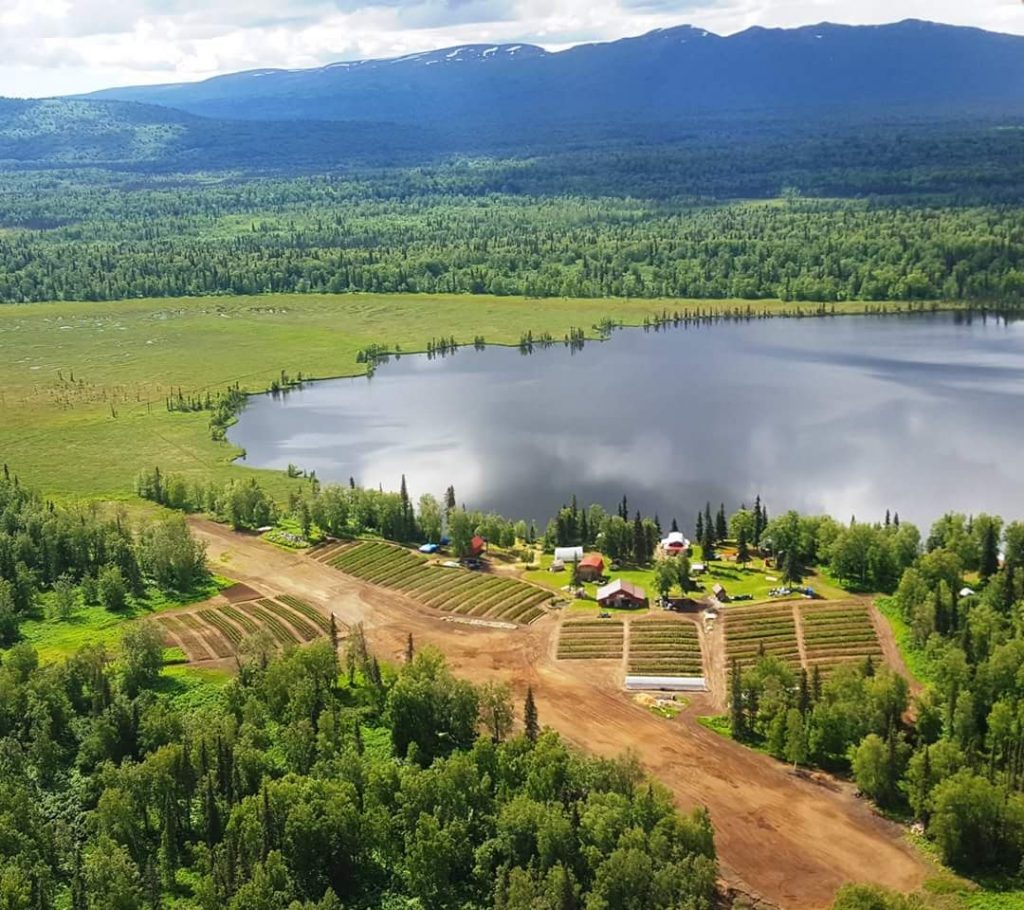
That is more than adequate snowfall to protect those roots all winter long, because peonies are a perennial root and commercially will produce for us for over 25 years. So it’s important to keep them happy in the winter when they’re hibernating.
Mike and Paula came to Alaska from Florida. They were both serving in the military when they met.
Before they started growing flowers, they ran a fishing lodge. They moved to the river in 1994 and opened up a business along with two dozen other lodge operations that fed off king salmon runs in the drainage.
Mike explains that when the invasion of northern pike went unchecked in 2009, their entire lifestyle and livelihood was uprooted.
Property values plummeted, buildings started falling apart from neglect, and people just left. There was a thriving community in the region, and it’s gone.
They looked around and all the lodges were gone. The river community collapsed.
And I think it, for the most part, went unnoticed. There aren’t that many people west of the Susitna River to begin with. And it was just a small blip, but it was devastating to the handful of us that lived here.
The Masons weren’t ready to leave their river lifestyle. So when they realized that they were located in a good microclimate to protect the roots of peonies in the wintertime, they switched to farming.
As ex-military officials, both Mike and Paula are heavily trained in logistics.
So we felt that even though we’re 40 miles from the nearest road, that we could easily do this. Because the flower industry pretty much only travels by air anyway.
They start harvesting the 1st of July and harvest for about 30 days. Paula says they have help from volunteers, and also World Wide Opportunities on Organic Farms volunteers—WWOOFERS—who come up for the summer.
That interaction with those people and watching them learn and grow and become friends and go forth from here is really a great part of the summer.
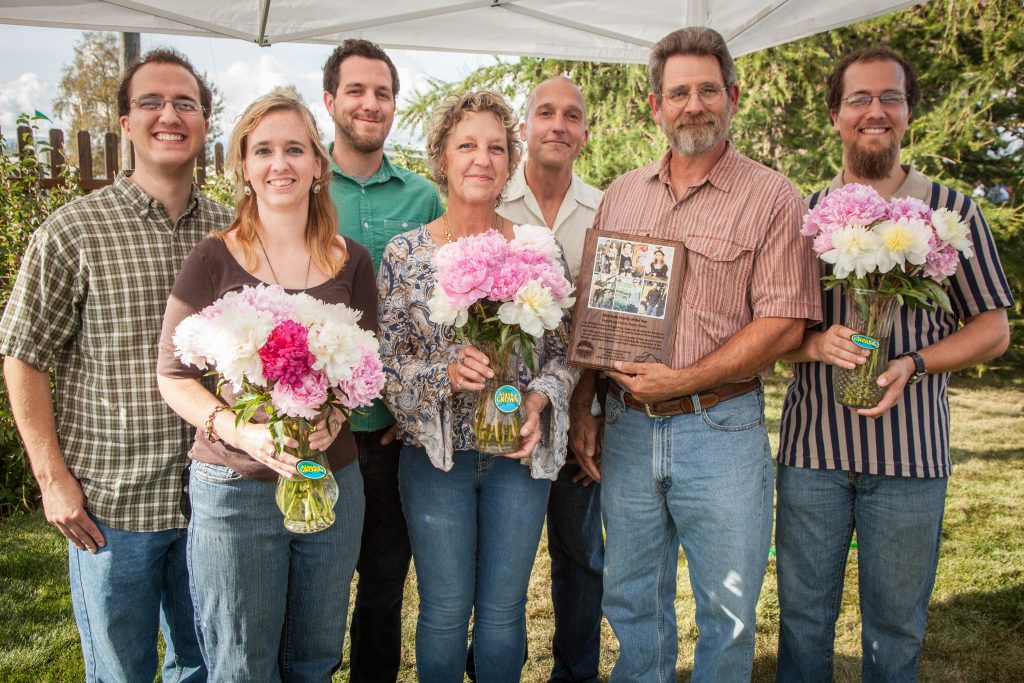
Their son handles distribution organization in Anchorage and their daughter does social media outreach. Their family-run company has made quite a name for itself over the years.
The Susitna Drainage has given Mike and Paula everything. They raised their four kids on the river.
It’s provided us a good living, it’s provided us a life, it has allowed us to raise our children. And I think there’s a bright future for the region, but all parties have to work together to make it happen.
Having been so affected by misuse of the river over a decade ago, Paula says there should be robust dialogue around any change that comes next.
We’re very lucky to be here, and we love sharing it with other people, and we love the private time that we have off-season.
Peony season is winding down at EagleSong, and Mike and Paula are brainstorming what is coming this winter. They hope to sell jellies, syrups, and a variety of food and cosmetic items.
They’re doing what they’ve done for the past three decades—adapting and reacting to both the market and the environment.
For KNTA, I’m Nell Salzman.
(find Mike and Paula online at: https://www.eaglesongalaska.com/)