The Alaska State Legislature introduced a new Community Energy bill Monday. The bill will enable more Alaskans to access solar electricity generated at a solar farm, rather than a rooftop or in a resident’s yard.
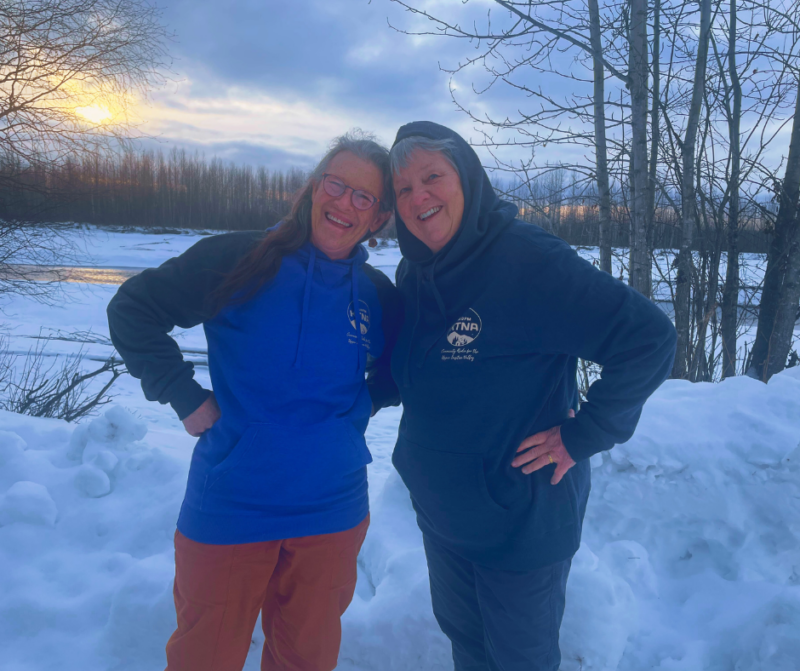
With new technologies on the market, solar and wind are becoming more efficient and practical in Alaska. June Okada, Energy Coordinator with Susitna River Coalition, says the Community Energy legislation will be beneficial for all Alaskans.
“I have talked to some people who cannot afford the upfront cost of purchasing solar panels for their homes or they are renters, but they still want to participate in solar generation and be included in some kind of renewable energy generation. I think having something like community solar legislation pass would really be beneficial to Alaskans in general, especially lower to middle income folks who can’t afford it initially.”
Susitna River Coalition and the Alaska Center are working with Mat-Su Valley residents for the Solarize program. The program helps residents install solar panels on their homes at discounted group rates.
The Community Energy bill as currently written would allow a solar or wind facility to connect to the grid, providing additional electricity generation. The bill also would allow the net metering, which means the electricity generated from the interconnected facility could be applied to member accounts.
Phil Wight, Policy Analyst with Alaska Public Interest Research Group, has been working directly with legislators to get the Community Energy bill introduced.
Wight says, “This is common-sense legislation that brings real savings to the Alaskans that need them the most. This legislation calls for thirty percent of all community energy development to go to low to moderate income Alaskans– precisely those individuals who have been shut out of the clean energy transition so far, and those people who will most benefit from lower monthly bills.”
Federal funds are available for states that enact legislation directed at increasing renewable energy resources. Many states have already taken advantage of the funds.
Wight says, “This is also a crucial time for the legislation. If enacted, Alaska would receive over $100 million in federal funds and clean energy subsidies. But if we don’t enact this legislation, we’ll lose those free federal dollars, the bill savings for Alaskans, and the cheap renewable energy that will power a growing economy.”
Though likely to be pushed to the next session, the legislation will prompt a more robust discussion about renewable energy in the state.