Invasive grasses were on the agenda of the Talkeetna Lakes Advisory Committee this week. Reed canarygrass has become well-established in Christiansen Lake and was recently found in X and Tigger lakes.
Reed canarygrass is an aggressive plant that prefers shorelines, muddy areas, and even gravel bars. Though it has not been recommended for more than 30 years, it can still be found on old homesteads where it might have been used as pasture grass.
Gino Graziano (Gee-no GRAHTS-ee-ah-no), an invasive plants instructor at the University of Alaska Cooperative Extension Service says reed canarygrass looks different from most native grasses. It has a larger leaf and its flower heads pull together when they go to seed.
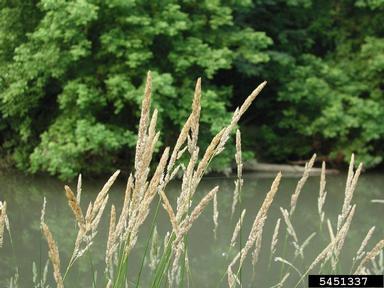
Graziano says it’s easy to spot now because it stays green later in the season than native grasses. Reed canarygrass is setting seeds now, but it also spreads through its roots. Seeds are predominantly spread on shoes, vehicle tires, boats, and equipment.
In areas where there is a significant establishment of grass, mowing earlier in the season will help knock back the population. Higher on land, covering the grass with a weed barrier fabric or shading it with trees might also work.
If the grasses are cut now, contain the seed heads and haul to the landfill or burn so they do not spread to other areas. After tackling the grasses, be sure to clean boots and equipment. Graziano suggests spending this season locating and mapping the grasses so it will be easier to identify and manage next summer.