


Alaska's First Ranked-Choice Election is Almost Here
August 16th will be Alaska’s first experience with ranked choice voting. The election will host both a primary race for various positions and also a special general election to fill

August 16th will be Alaska’s first experience with ranked choice voting. The election will host both a primary race for various positions and also a special general election to fill the vacant seat left by Don Young’s passing.
I asked multiple Alaskans if they understand how the system works. And while everyone wanted to talk about it, no one wanted to be recorded. I found that voters over the age of 50 seemed to understand the system but some wondered if they could manipulate it against candidates they didn’t like.
It turns out they can’t. Each voter only gets one vote that counts. As long as their number one choice gets enough votes to be one of the final two, that’s the candidate who will get their vote. But if the first choice candidate doesn’t receive enough votes to finish in the top two or three, that candidate gets eliminated. At that point, the second choice vote comes in to play. But if that candidate doesn’t receive enough votes to be one of the top two either, then the third choice vote will be cast and so on.
In the case of the August 16th ranked choice election, it won’t go to a third round, because only three candidates will be on the list due to the backing out of candidate Al Gross.
Younger voters I spoke with didn’t seem as knowledgeable about the process. Last month the Alaskan Republican Party sponsored a presentation at the Upper Susitna Senior Center, but few people showed up. Voters with under the age of 30 frequently said they were confident they could figure out the system on voting day.
So what will the ballot look like on August 16? First of all, Republicans, Democrats and Independents will all receive the same primary ballot. Voters will choose ONE of seventeen candidates for the United States Senator’s primary race. Voters will choose ONE of twenty-two candidates for the United States Representative’s primary race. Voters will also select their choice for the Governor/Lieutenant Governor’s primary and then they will proceed to the primary section for State Senator and State Representative. The top four finishers for each primary will be placed on the ballot for the general election, which will take place in November.
But what about ranked choice voting? On August 16th, voters will flip their ballots over to side two. Here, they will rank their choices for the candidate who will serve the final months in the seat left vacant by Don Young.
There will be three candidates listed on side two and voters will rank them 1, 2 or 3. This means possibly voting for someone you don’t particularly care for as a second or third choice. Many people I spoke with said that will be difficult for them to do. Voters are allowed to vote for only one candidate if they choose. But if their candidate is eliminated, so is their vote.
The general election in November will also use the ranked choice method. In order to give folks a chance to play around with the system, the organization “Ranked Vote” has created an app. On the app, voters to get to vote for Alaska’s best small mammals and see how the winner gets selected.
https://app.rankedvote.co/elections/21853/Alaskas-Best-Small-Mammals/22483/results
Read More
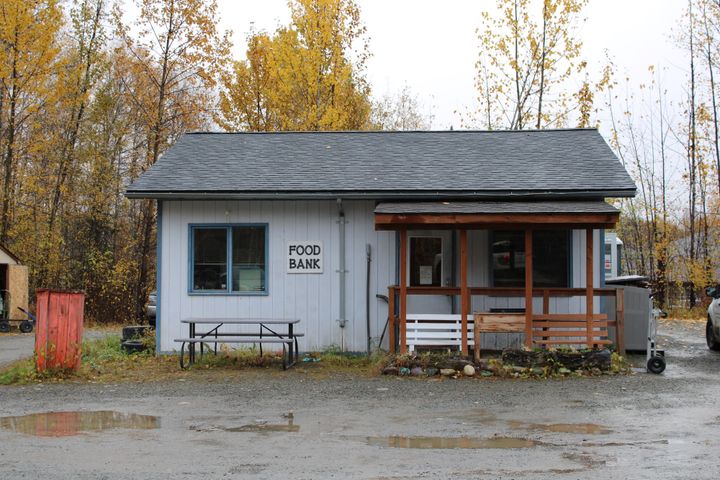
Capital Campaign at Upper Susitna Food Pantry
The pantry has plans for a 48x90 square foot building. This extra space would give the organization room for a prep kitchen, bathroom, waiting room, walk-in freezer and walk-in cooler.
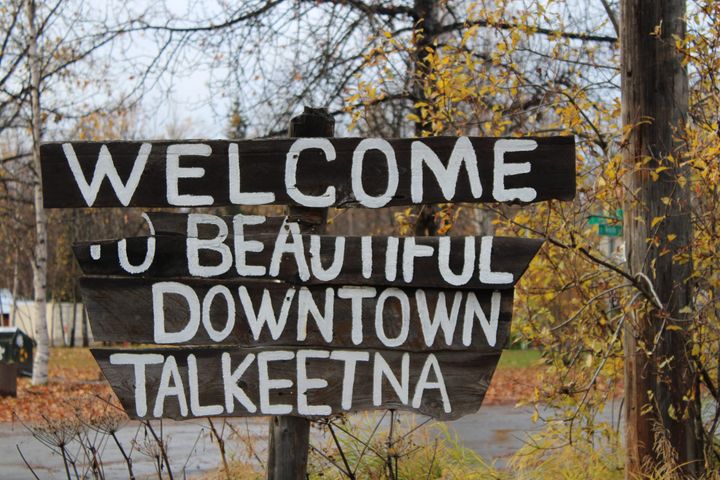
Talkeetna Community Council Updates
updates on the Talkeetna Fire Department, several open public comment periods, and the acceptance of candidates for the November TCCI Board Election
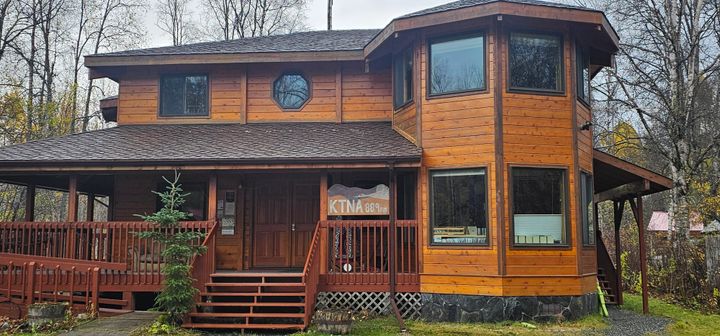
Fall Membership Drive
We are excited for this years fall membership drive and look forward to engaging with all of our listeners! This years Fall Membership Drive is from October 12th through October 16th.
Short-Term Erosion Mitigation Projects
At last week’s stakeholder coordination meeting on Talkeetna’s ongoing erosion and flooding problem, they decided to