



Climate Warming Demonstrated in Ice Core Samples of the Alaska Range.
While the full swing climbing season in the Alaska Range has yet to begin, the planning stages for various groups are underway. The National Park Service, air taxi’s, and mountaineering
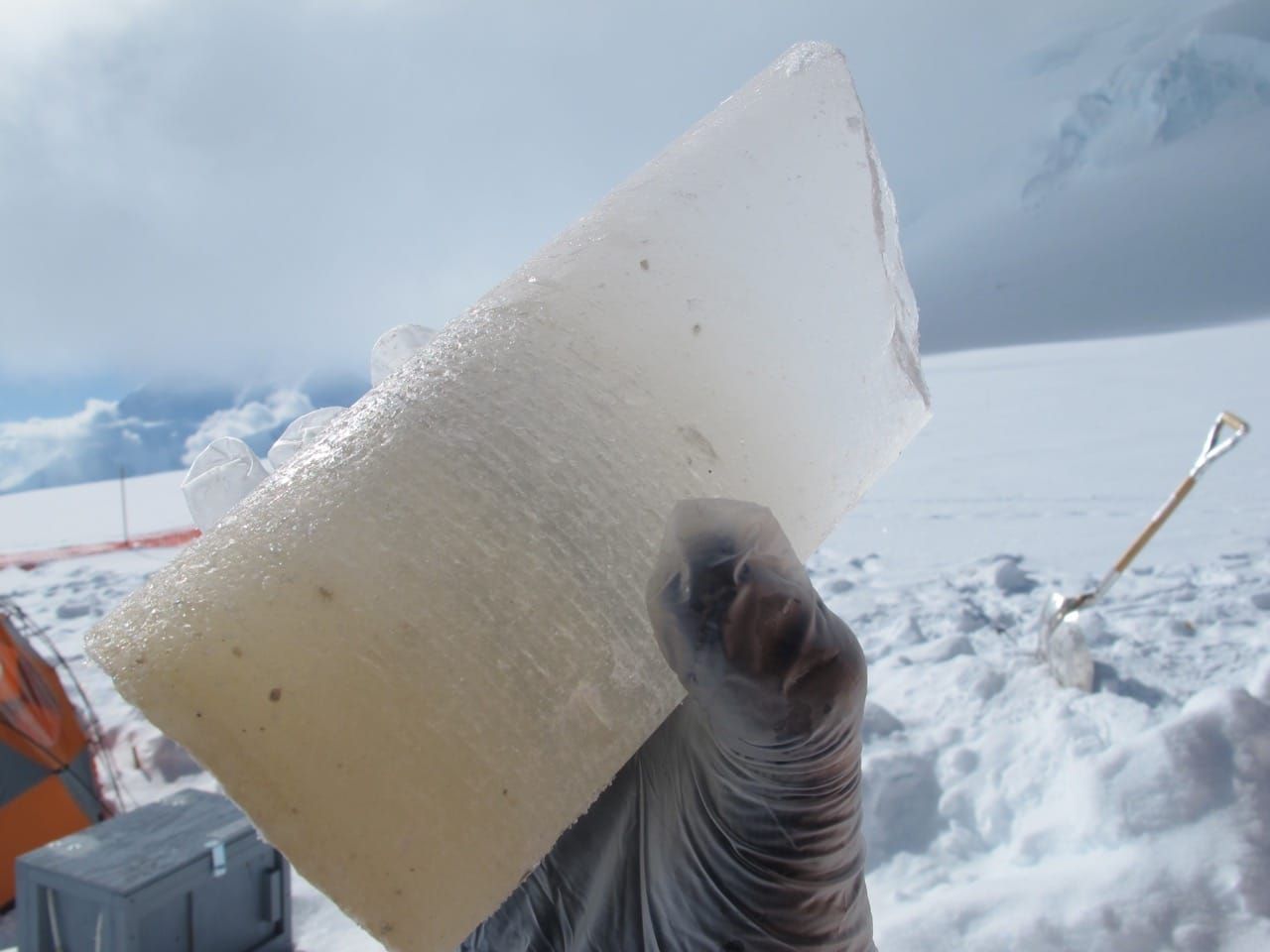
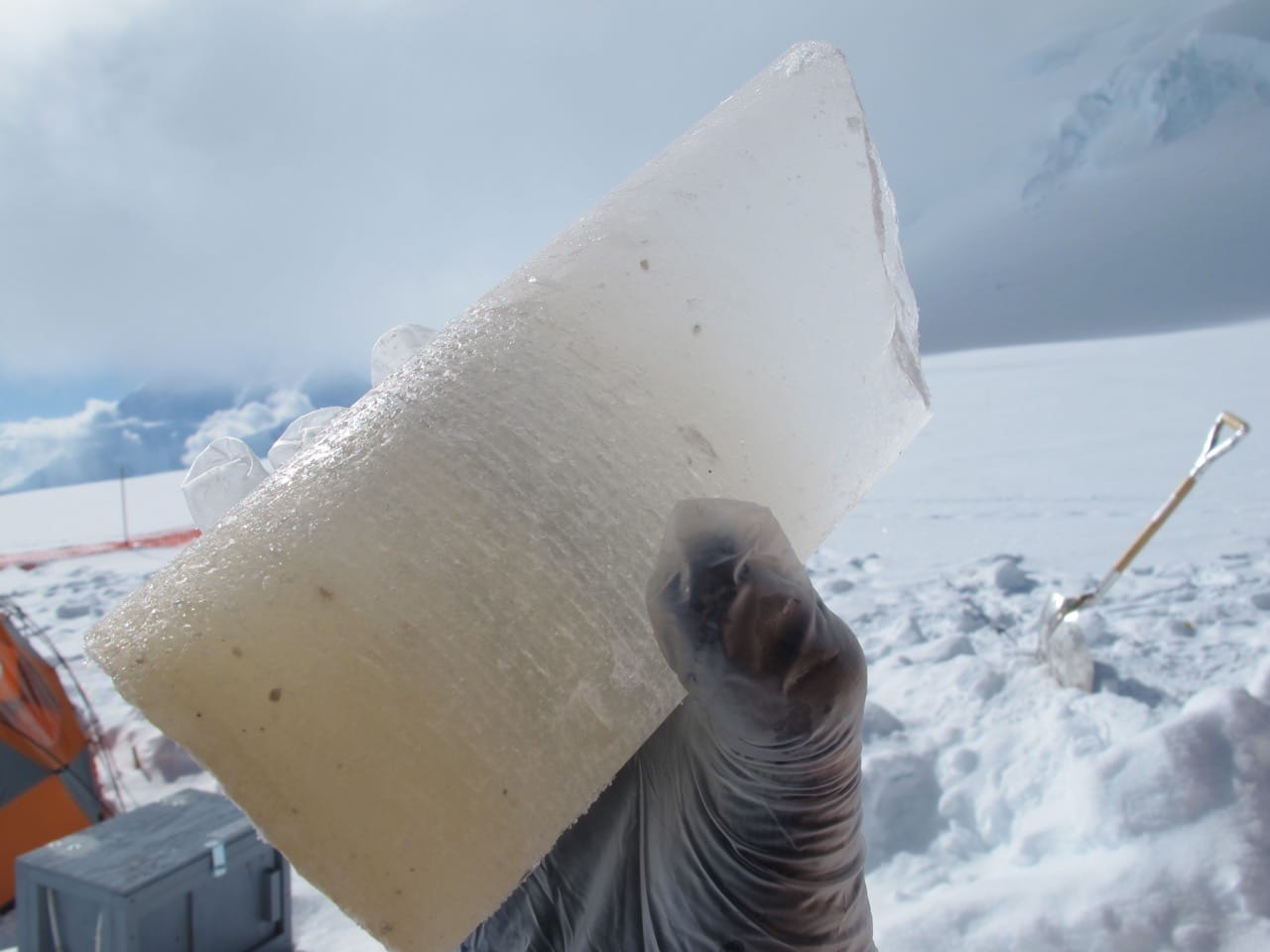
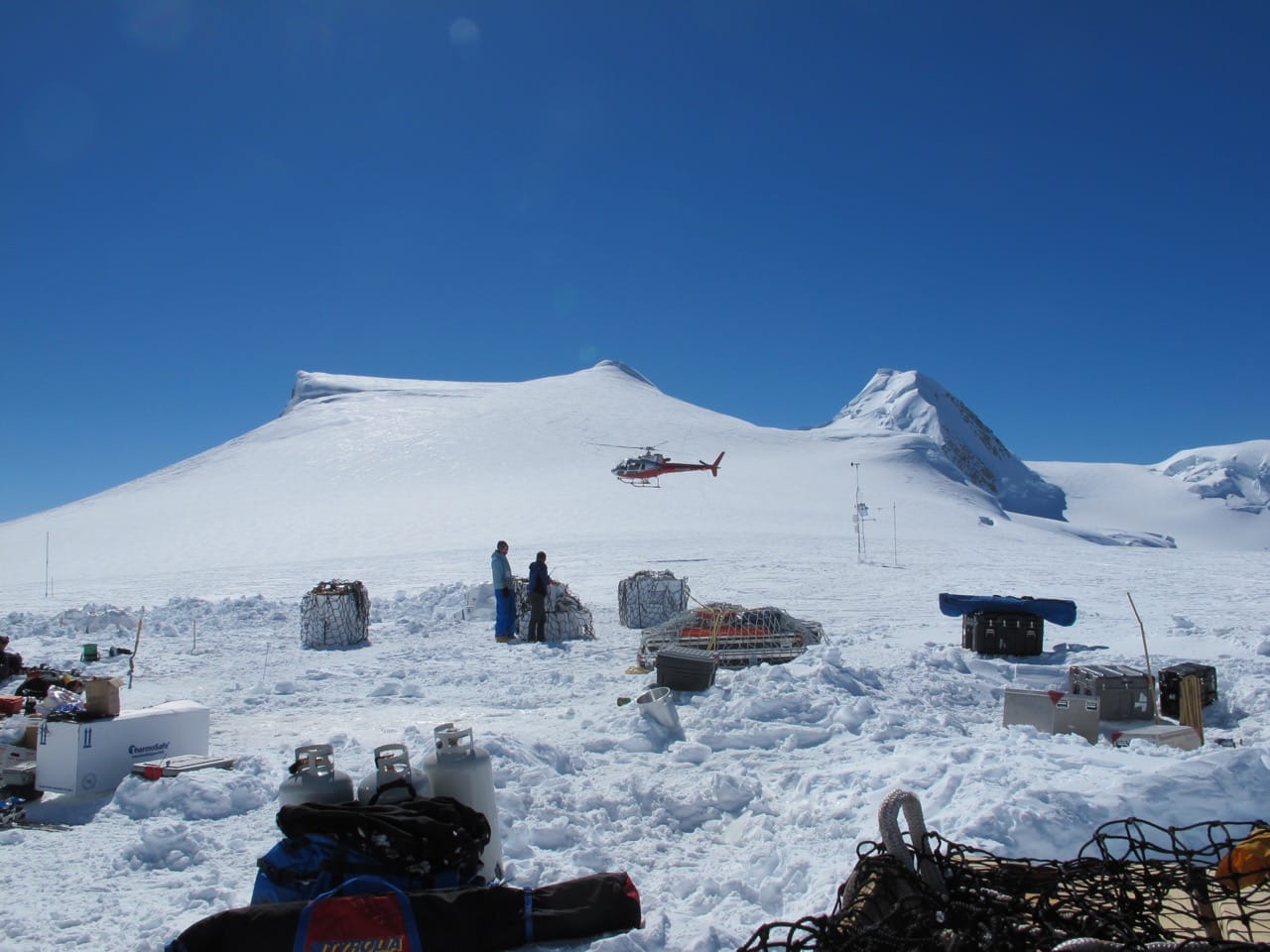
While the full swing climbing season in the Alaska Range has yet to begin, the planning stages for various groups are underway. The National Park Service, air taxi’s, and mountaineering groups are figuring out their upcoming 2019 climbing logistics. One particular group of climbing scientists from Dartmouth College have been coming thru Talkeetna for over ten years to collect ice core samples on Mt. Hunter. Even with their advantage of scientific research, they too, are challenged by how to plan accordingly for the best window to be mountaineering due to the warmer summer temperatures in the Alaska Range.
KTNA’s Katie Writer spoke with Dartmouth’s Associate Professor, Erich Osterberg about his team’s discovery in ice core samples that capture a valuable history of snowfalls, temperatures, and melting of the ice for a time span of over 1000 years.
As an expert on climate change, Osterberg has been studying ice cores from around the world, including Greenland and on Mt. Hunter of Denali National Park.
Erich Osterberg, an Associate Professor of Earth Sciences at Dartmouth College and his colleagues have
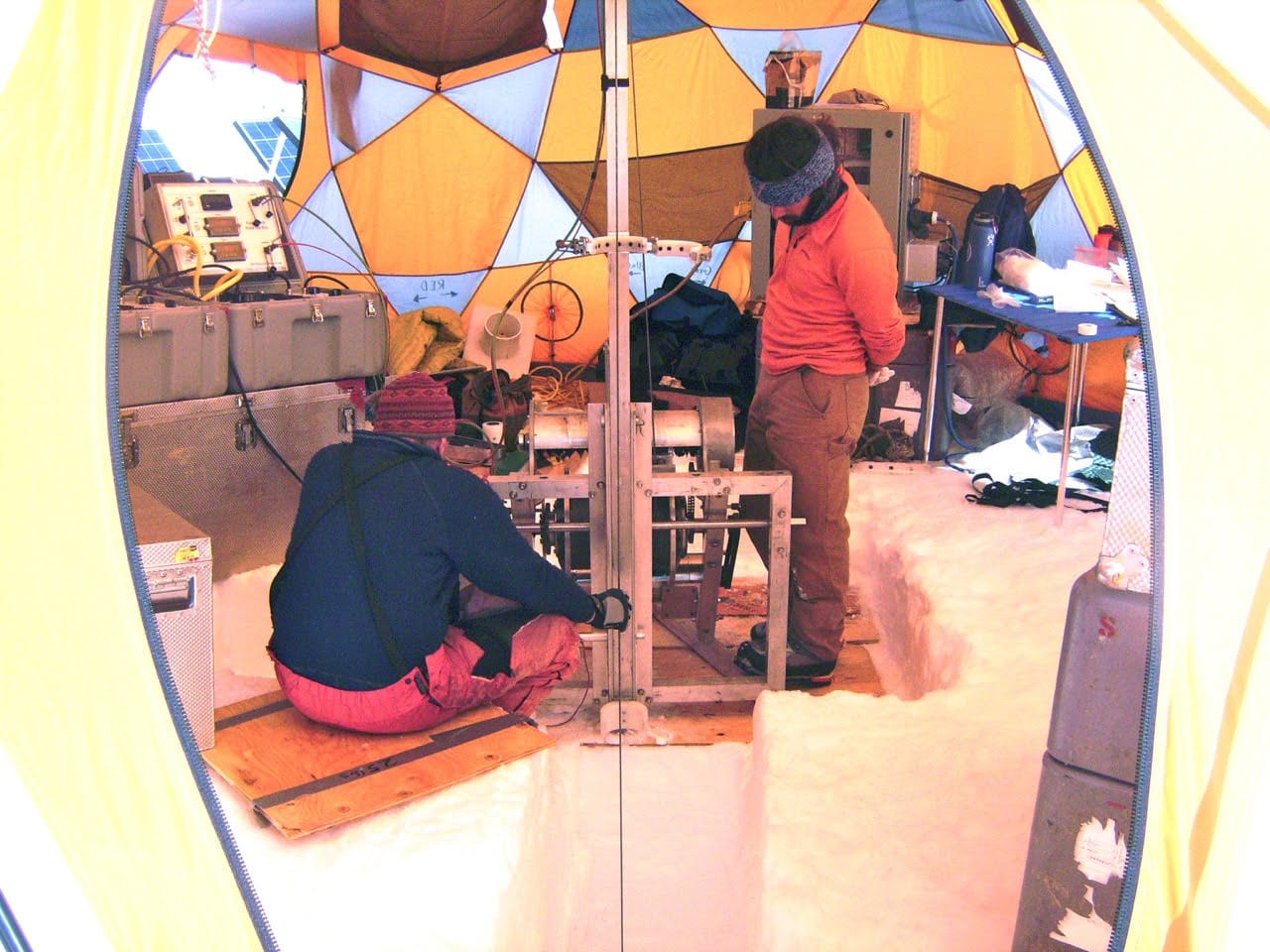
been conducting field research on Mt. Hunter since 2008 to capture climate history preserved in ice core samples. In 2013, two separate seven hundred foot long ice cores were collected at an ideal location on Mt. Hunter’s summit plateau.
Professor Osterberg explains the value of these ice cores and their ability to detect climate warming.
“With the ice cores, they go back a thousand, or in some cases, two thousand, three thousand years in time. So we are able to put these recent changes into a much longer context… and say, you know, how unusual is this.. and what our results show is that for that with the warming, this is really different.”
Scientist have detected a 3 1/2 degree Fahrenheit increase in temperature over the past century.
The ideal climbing season window has been shifting to a month earlier due to warmer temperatures. Osterberg describes some of his observations on their climbing route.
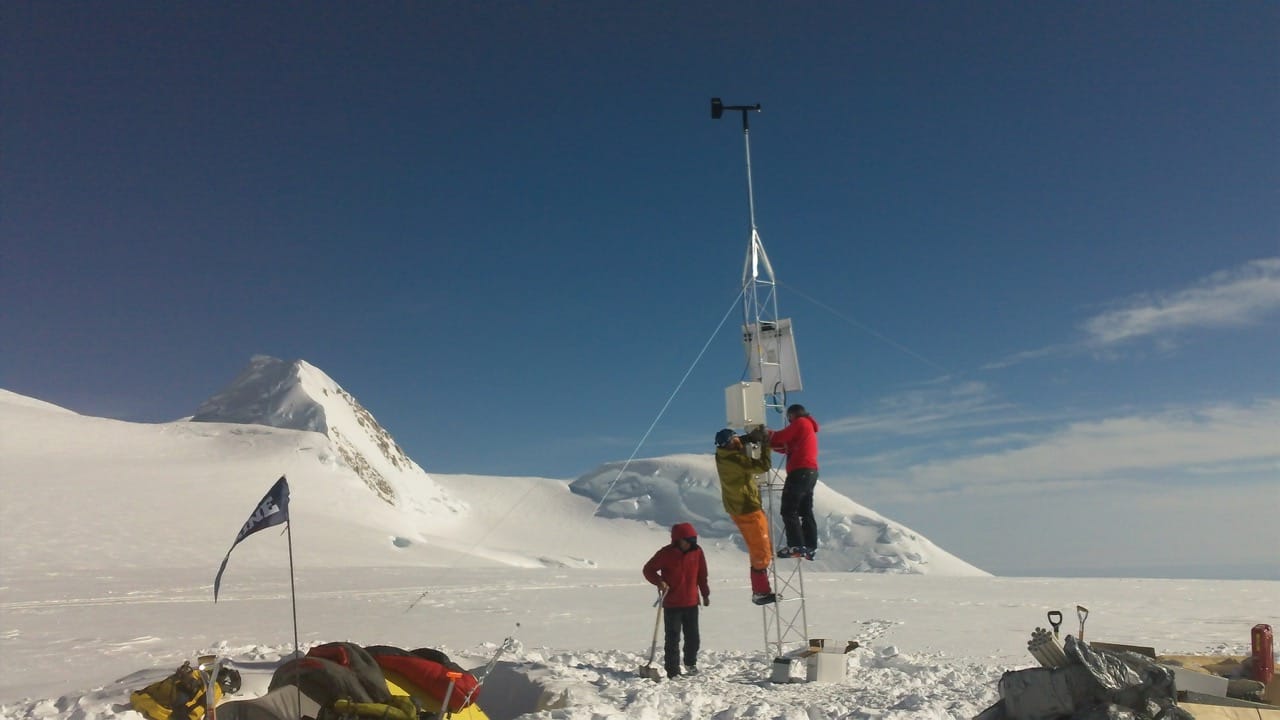
“You know the biggest changes that we’ve seen have really been changes to the West Buttress Route. It seems like we need be coming earlier and earlier in the season to try and avoid, later in the season when these snow bridges are melting out and people start falling into cracks.”
While there is a tremendous amount of effort and teamwork in organizing a month long trip on the glacier, the real work begins when they extract the ice cores. Professor Osterberg describes some of the findings in the ice cores.
“And so when we compare the warming rates that we see in the ice core to the warming that is seen, at say weather stations around Alaska, down at lea level…what we see is that the mountains are actually warming faster.
Osterberg sees two main stories that the ice cores tell.
“One is that the summers are, in fact, getting warmer and warmer.
We’ve seen a sixty-fold, six zero-fold increase in the amount of melt water that occurs up on Mt. Hunter.”
While local residents in the Upper Sustina Valley may be noticing less snowfall in the past few years, research up on Mt. Hunter shows that snowfall amounts during the winter have doubled over the last 150 years.
Osterberg explains why.
“And when the air is warmer, it holds more moisture. And so it can snow and rain more.”
So that the storms that we are have in today’s winter are very different than the storms that we had naturally, say one hundred-fifty, two hundred, three hundred, five hundred, one thousand years ago.”
Osterberg says that this is clear evidence that the climate is warming.
“And I’m really eager to stop…stop talking about this and start doing something about it.
We have to stop having this really silly debate about whether it’s real. The data are clear.
It’s absolutely real and frankly among scientist there is no debate about that anymore, or about humans causing it.”
The impacts of climate warming are troubling. As an expert scientist on climate change, Professor Osterberg states that society depends upon scientist for solutions to this growing problem.
“It’s how are we going to address this as a society and a responsible way that, you know, maintains our standard of living and keeps the economy rolling…and, you know, how do we do this in the way that it should be done.. and try to avoid the worst of these impacts.”
Here are some links for those or those interested in more information on the scientific research.
https://www.scientificamerican.com/article/climate-change-has-doubled-snowfall-in-alaska/
Read More
Erosion Mitigation Disaster Funding
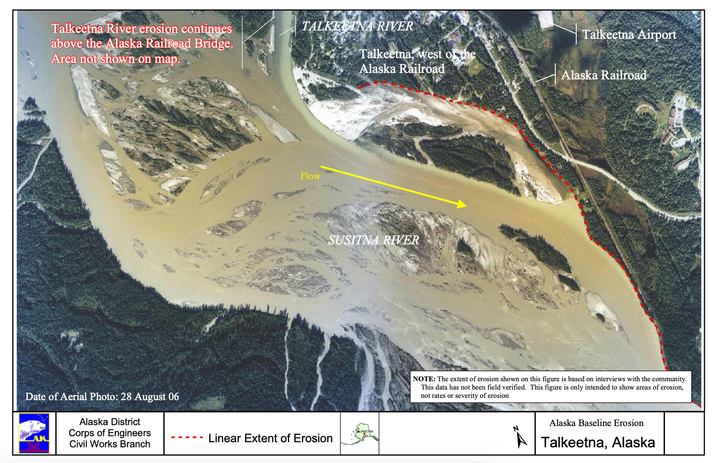
The Borough is expected to secure $2 million in federal funds for the planning and design of a comprehensive flood protection system in the downtown area.

Su Valley Voice: KTNA News Department
In this episode host Trisha Costello was joined by all three of the news producers that make up the KTNA News Department.
Here's how the Upper Susitna Valley's local precincts voted in statewide and district races
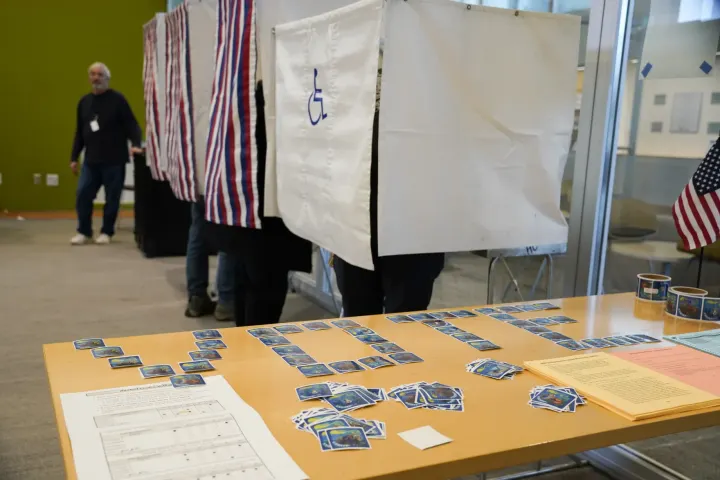
According to unofficial election results from the Alaska Division of Elections, the majority of Talkeetna residents voted in favor of Democrat Mary Peltola in the U.S. Senate Race

Six Minute Science 11-7-26, Episode 59 - Alaska Grown Grains
Alaska Grown grains like Sunshine Barley are helping to build Alaska's food resilience and provide economic opportunities for local Alaskans. UAF Institute for Agriculture, Natural Resources, and Extension Director Jodie Anderson talks about new grain varieties.