


Denali National Park: No Goats Allowed
If you’re looking for a place to walk your goat, scratch Denali National Park off the list. The park is planning to prohibit goats from its land in order to
If you’re looking for a place to walk your goat, scratch Denali National Park off the list. The park is planning to prohibit goats from its land in order to protect Dall Sheep. KTNA’s Phillip Manning has more.
A recent story in the Fairbanks Daily News-Miner discussed plans by Denali National Park and Preserve officials to ban goats inside the park. This came after an Anderson man was cited for walking his goat in an area where no domestic animals are allowed. While goat-walking is not exactly a popular activity within the park, biologists are concerned about possible impacts on the local Dall Sheep population.
“These animals can carry diseases that are easily transmissible to wild sheep and goats, as well as other wildlife.”
That’s Steve Arthur, chief Wildlife Biologist for Denali National Park and Preserve. He says that, while bringing goats into the park is not particularly common right now, that other parks have seen an increase in their use as pack animals. Arthur says that, if more goats were to start roaming Denali National Park, it could lead to major impacts among Dall Sheep. He says it’s similar to how humans can carry disease, even if they show no symptoms.
“It’s kind of a situation like when European settlers first came to North America, and they transmitted things like the flu and the common cold to Native Americans. Apparently healthy goats can transmit diseases to wild sheep, and it can be devastating.”
Steve Arthur says that the Lower 48 has seen large die-offs of Bighorn Sheep due to disease, including outbreaks in the Northwest about five years ago.
“There was probably a dozen different isolated outbreaks that lost up to fifty percent of the population. Other places, over the last twenty years or so, have seen perhaps eighty to ninety percent of their sheep lost in a single outbreak.”
According to Steve Arthur, the biggest disease concern is bacteria that causes pneumonia in the sheep. He says most parks west of the Rockies have already banned many forms of livestock, including goats, from their lands to prevent further outbreaks. Alaska parks, however, have not done so, and Steve Arthur says the native Dall Sheep are currently fewer in number than they have been in the past.
“They currently seem to be at kind of a low point in their population cycle. We’re not quite sure why that’s the case, but there do seem to be fewer of them now than there were, perhaps ten years ago.”
Steve Arthur believes that, even if the Dall Sheep population was not in decline, that domestic livestock in the park would be a major concern. He says that most animals do not pose a disease risk to the sheep, since they are not from related species. The biggest risk, according to Arthur, comes more from goats, cattle, and llamas than from horses, for instance.
The ban currently being discussed is temporary. Making the ban permanent would require additional federal processing. Park Superintendent Don Striker told the Fairbanks Daily News-Miner that he plans to start that process next spring.
Read More
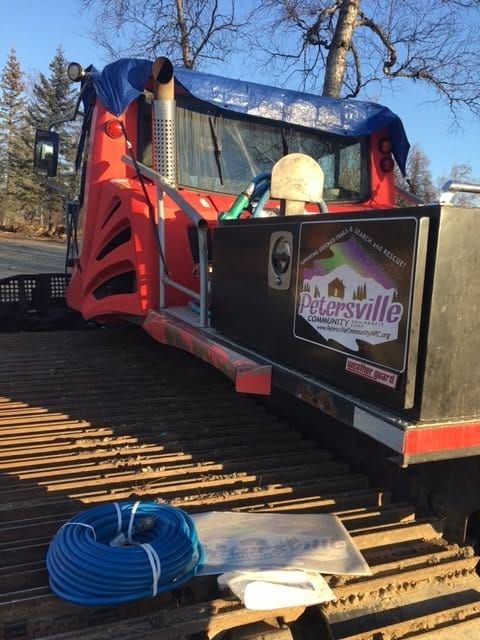
Petersville Organization Requests Funding to Support Trails, Rescue Operations
The Petersville Trails and Rescue Center is already partially built, but more funds are needed to finish the project.
Reading Mentors is Back Up and Running
The Talkeetna Public Library’s Reading Mentors program started back up last week and will continue through the
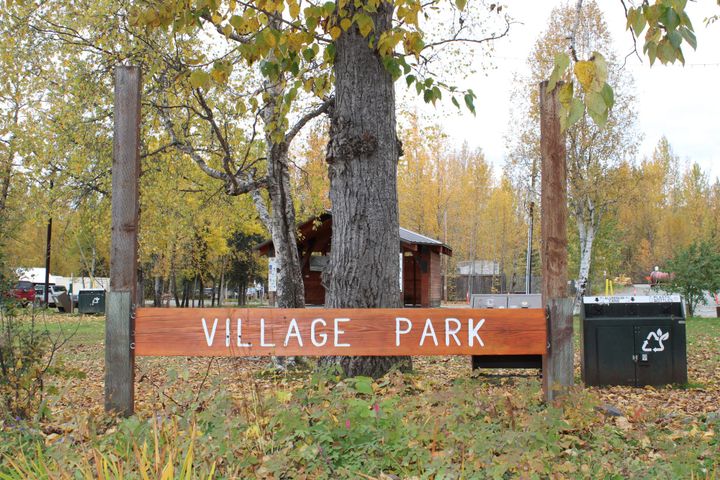
Village Park Restroom Upgrades
Talkeetna’s Village Park restroom is due soon for a new ADA-accessible sidewalk and landscape remediation around
Mat-Su Assembly bans borough use of Flock-style license plate readers
The ban blocks the borough from using the cameras or paying for or being a part of projects that do.