



Denali Report for June 27th, 2025
This is the Denali Report for June 27th, 2025 As of this week, there were 957 climbers registered to climb Denali. 135 of them are currently on the mountain and
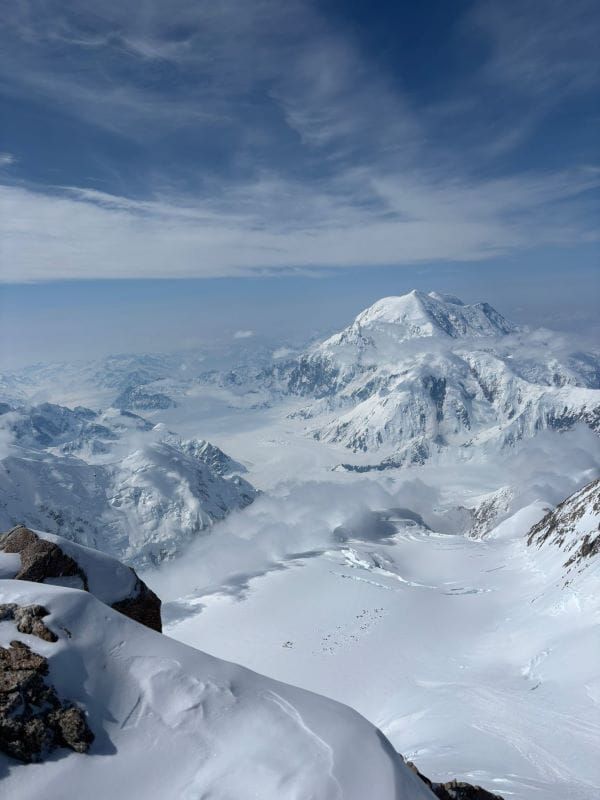
This is the Denali Report for June 27th, 2025
As of this week, there were 957 climbers registered to climb Denali. 135 of them are currently on the mountain and 819 have finished their expeditions. On Mt. Foraker, 24 people were registered to climb that mountain this year. All 24 climbers have finished their expeditions.
According to National Park Service rangers, if there was one word to sum up the first half of climbing season this year, it would be “cold”. However temperatures in the Alaska Range began warming in mid-June. At Base Camp, the weather station has reported temperatures remaining above freezing since June 13th.
Once temperatures stop freezing at night, teams on the lower glacier will usually switch to traveling at night. Alaska Mountaineering School guide, Ayla Loper, explains why.
“So as the snow gets slushy and warmer, especially when it stops freezing at night, the snow pack warms up a lot quicker. And when you’re walking, it’s a lot mushier, and then also, snow bridges you go over can give out more easily.”
A snow bridge is a mass of snow that forms a bridge-like structure over a crevasse. It allows for safe passage over a sometimes very deep cavity in the glacier. These bridges can be surprisingly strong, but they can be prone to collapse.
“If you’re in a really thick snowpack area then the snow bridges won’t melt out as much with the heat, but if you’re in an area where the snow bridges are potentially not as thick, then the heat can make a big difference in pushing through the crevasse.”
Loper explains that, in addition to safety, it can also be more comfortable to travel at night.
“The sun can take a lot out of you and the more time you spend on your feet in the sun can be pretty exhausting. It feels super hot when you’re out there so it can feel better to travel at night on the lower glacier too.”
Above the 14,000 ft camp, the crevasse danger lessons and exposure to steep drop-offs increases, requiring sure footing. Since mid-June, the opportunity to travel safely up high has been limited by intermittent strong winds.
June 19th ushered in an early summer solstice gift for teams waiting at high camp. Blustery winds relented and multiple teams summited during a two-day window. But by June 21st, high winds returned, and climbing teams have gone back to holding at high camp. Temperatures at high camp are reported to be -10 to 10 degrees above zero, Fahrenheit. The air is reported to be somewhat hazy due to smoke from wildfires. Climbers are reporting mild congestion from the smoke.
Winds are predicted to lessen this weekend, perhaps giving those teams at 17,000 feet, a shot at reaching North America’s highest point.
You’ve been listening to the Denali Report. For KTNA, I’m Colleen Love
Read More

Mat-Su Teachers Recognized for Excellence in Trades Education
Three teachers won awards at the 2026 ACTE Annual Conference this year.
Alaska State Parks Offers an Incentive to Outdoor Enthusiasts
Alaska State Parks has announced that they will offer free parking at all state park facilities on Friday, Nov. 27

Six Minute Science 11-21-26, Episode 61 - Biomarkers in Yukon Chinook Salmon
This week's episode is about biomarkers in Yukon River Chinook salmon, in particular a focus on heat stress and the myriad issues it can cause, with USGS Research Fish Biologist Dr. Vanessa von Biela.
Two New Firewood Cutting Areas Open in Trapper Creek
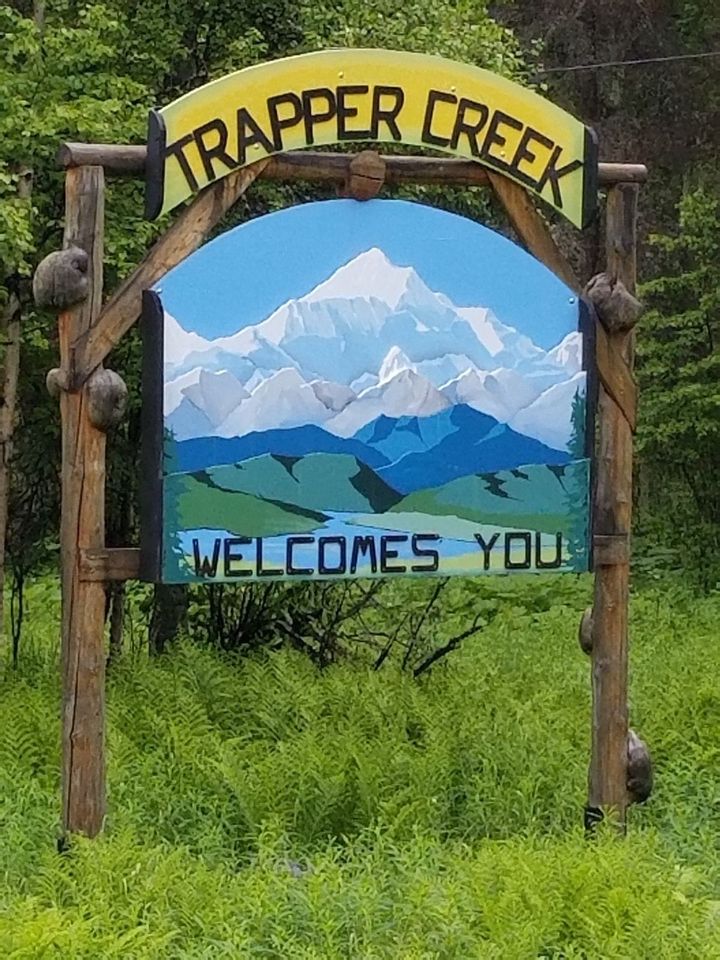
The Alaska Division of Forestry & Fire Protection opened two new firewood cutting areas in Trapper Creek this year.