


KTNA Volunteer Learning Module 1: Getting Ready for Your First Broadcast
Get ready for your first broadcast at KTNA. Learn how to prepare your show, follow the program log, and leave the studio ready for the next volunteer, with practical tips and quick self-checks to help you feel confident on air.
Welcome to KTNA
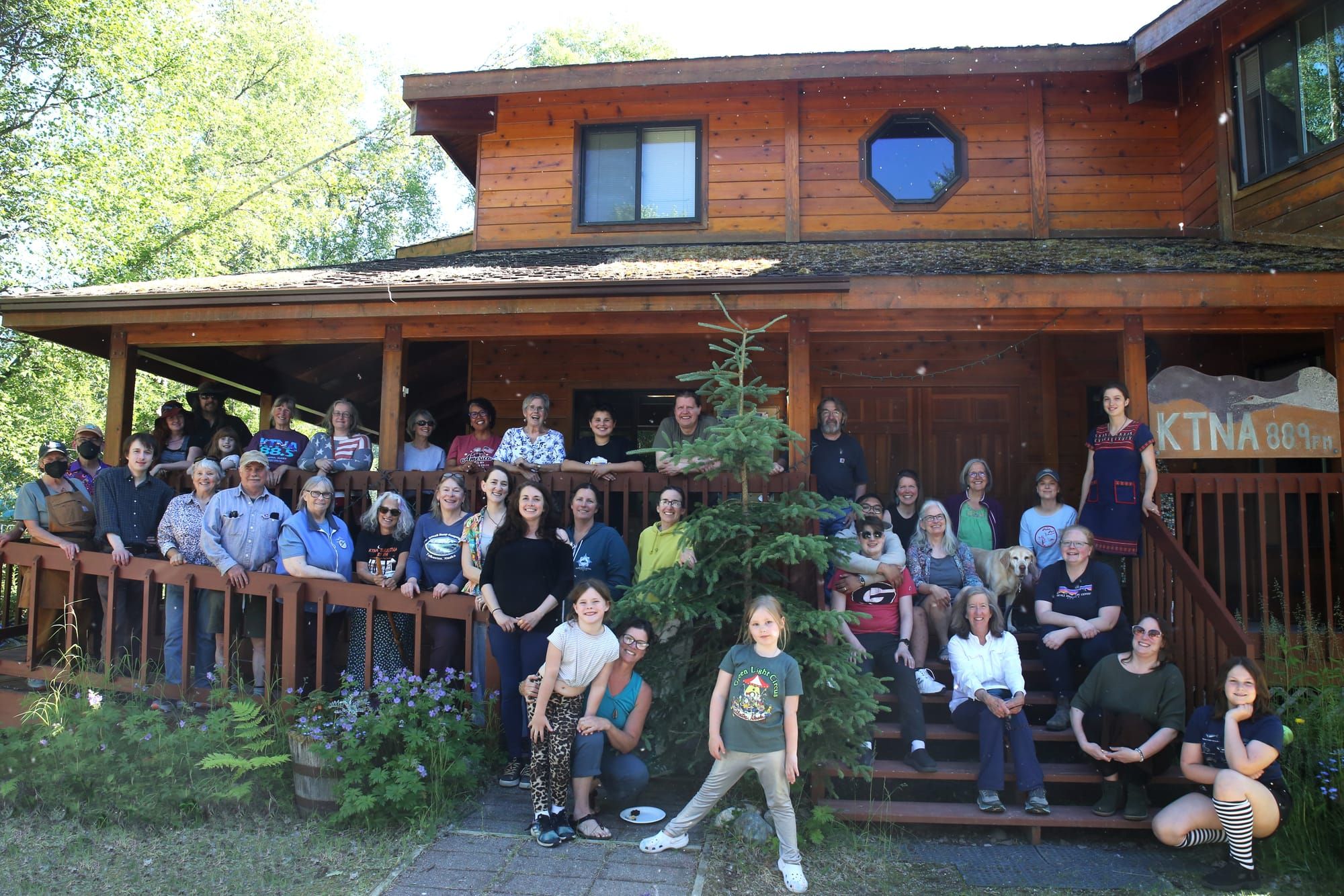
Your voice helps connect the Upper Susitna Valley. Whether you’re sharing music, local information, or a familiar greeting, you’re part of what makes KTNA community radio.
Your first broadcast can feel like a lot to manage. You don’t have to know everything right away. Start with a reliable preparation routine, ask questions, and give yourself time to get comfortable.
Start Here
Read through the lesson, try the practice questions, and open the answers to check your understanding. Bring anything you’re unsure about to your trainer.
What you will learn
By the end of this module, you’ll know how to:
- Prepare for your program before going on air.
- Follow the program log and complete your entries.
- Arrange a schedule change with staff.
- Leave the studio ready for the next volunteer.
Before your broadcast
Arrive early, ideally 20 minutes before your show. Give yourself time to settle in and prepare without rushing.
- Review the program log. Look for underwriting, scheduled announcements, and special instructions.
- Check staff messages and posted updates.
- Gather your music and other program materials.
- Outline your show and plan what you’ll say between segments.
- Ask the volunteer coordinator about any equipment or procedures you’re not comfortable with.
Think about the person listening. What will they hear first? What context would help them enjoy the music or understand the information you’re sharing?
Preparation tip
Pre-read announcements and weather information. Check unfamiliar names and pronunciations before opening the microphone.
Follow the program log
The program log helps you keep track of the day’s schedule, underwriting, and special instructions. Review it when you arrive, not partway through your shift.
Complete your entries accurately. Before leaving, check that you’ve signed the log and initialed station IDs, underwriting, and promos as directed in your training.
If you miss an underwriting spot, let staff know.
Speak to one listener
You don’t need a special “radio voice.” Aim for a natural, conversational delivery, as though you’re speaking to one person.
Know the main point you want to share before opening the microphone. Preparing a few notes can help you stay clear and focused without sounding like you’re reading a script.
Leave the studio ready
Your shift ends with a little preparation for the next person.
- Clean up your workspace and take your belongings.
- Return recorded and written materials to their proper places.
- Check that your program-log entries are complete.
- Report equipment problems to staff.
If your plans change
If you can’t cover your program, notify staff with reasonable notice. If another volunteer agrees to fill in, tell the Volunteer Coordinator who will be covering for you. All schedule changes must be confirmed with staff.
Try it yourself
Read each situation and decide what you would do before opening the answer.
Situation 1
Your music is ready, but you haven’t checked the program log. Should you wait until the first song is playing?
Check your answer — Preparing for your shift
No. Check the log when you arrive. It may contain underwriting or special instructions that affect your program. Having your music ready is only one part of being ready to go on air.
Situation 2
Another volunteer agrees to cover your show. Is the schedule change complete?
Check your answer — Arranging a substitute
Not yet. Let the Volunteer Coordinator know who will be filling in, and have staff confirm the change.
Frequently asked questions
Who can help me with training or scheduling?
The Program Director is your primary Volunteer Coordinator for broadcast and production training, supervision, and scheduling. Contact Christie at christie@ktna.org.
What if I miss an underwriting announcement?
Let staff know that you missed it. Reporting the missed spot helps staff follow up appropriately.
Can I practice before going on air?
Yes. Contact staff to arrange time in the on-air or production studio for preparation, production, or training when the space is available.
What if equipment isn’t working properly?
Report the problem to staff and explain what you noticed. If you’re unsure how to proceed, ask for help.
What if I still have questions after this lesson?
Bring them to the volunteer coordinator. Asking questions is part of learning, and it helps you build confidence before working independently.
Before you move on
Check your understanding:
- I know where to find the program log and staff updates.
- I can explain how to prepare for my show.
- I know whom to contact about an absence or substitute.
- I know what to check before leaving the studio.
- I’ve noted any questions to discuss with the volunteer coordinator.