


Low Snowpack Increases Fire Danger This Spring
Though the Upper Susitna Valley saw close to normal precipitation for the winter, a lot of it fell as rain, according to International Arctic Research Center Alaska Climate Specialist Rick
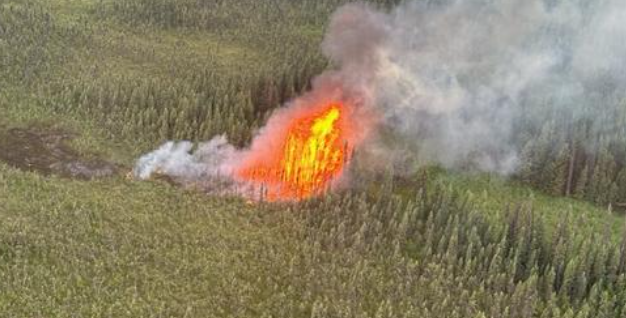
Though the Upper Susitna Valley saw close to normal precipitation for the winter, a lot of it fell as rain, according to International Arctic Research Center Alaska Climate Specialist Rick Thoman.
“While the total numbers are high, of course because some of that fell as rain, a fair chunk of that fell as rain in many areas. That is either runoff or is frozen within and at the bottom of the snowpack and so in this case unlike many winters where snow makes up the majority, the vast majority, of the precipitation that falls. This year for areas where people live in the Upper Valley, a lot of that precipitation occurred as rain and so that is a big factor in this as well.
Alaska’s wildfire season has already kicked off with five fires, one being in the Meadow Lakes area in the Lower Susitna Valley. All were human caused, small, and quickly contained.
“Now, of course, in Southcentral early season fires are almost entirely human starts, as opposed to lightning, which would become a factor once we get to Memorial Day and beyond. That can be of course anything from downed power lines, sparks from chainsaws, snowmachines, ATV mufflers, right up to things like fireworks. They don’t tend to be really big, but because they’re human-caused that means they’re happening where people are. So the potential for property damage to occur very quickly, especially if this happens when there are high winds blowing that can push that fire along with dry fuels, makes it a big concern for the region.”
April is typically a very dry month, according to Thoman. And though we could still see a snow dump this spring, it won’t help much.
“The areas with little or no snow at this point, so now we’re past Spring Equinox, obviously it could still snow and could still snow a lot in a single storm, but we’re much too late to build up any kind of significant snowpack.”
The Alaska Department of Natural Resources updates the fire danger and posts any burn restrictions each day. Burn permits are required now and are available online.
Read More
Su Valley Voice: KTNA News Department
In this episode host Trisha Costello was joined by all three of the news producers that make up the KTNA News Department.
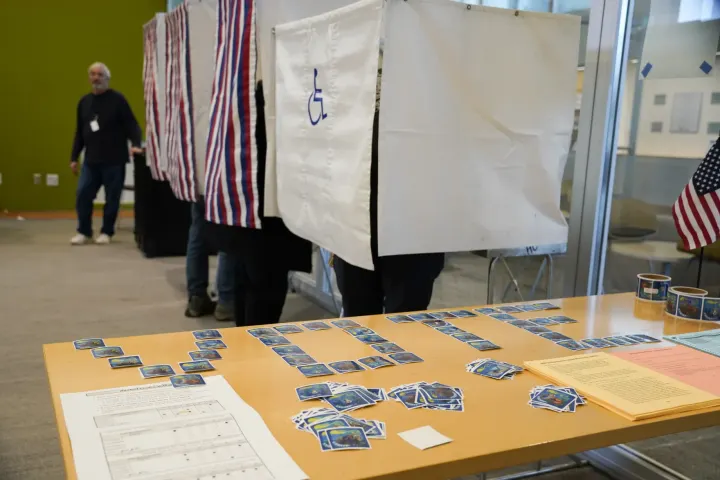
Here's how the Upper Susitna Valley's local precincts voted in statewide and district races
According to unofficial election results from the Alaska Division of Elections, the majority of Talkeetna residents voted in favor of Democrat Mary Peltola in the U.S. Senate Race
Six Minute Science 11-7-26, Episode 59 - Alaska Grown Grains
Alaska Grown grains like Sunshine Barley are helping to build Alaska's food resilience and provide economic opportunities for local Alaskans. UAF Institute for Agriculture, Natural Resources, and Extension Director Jodie Anderson talks about new grain varieties.
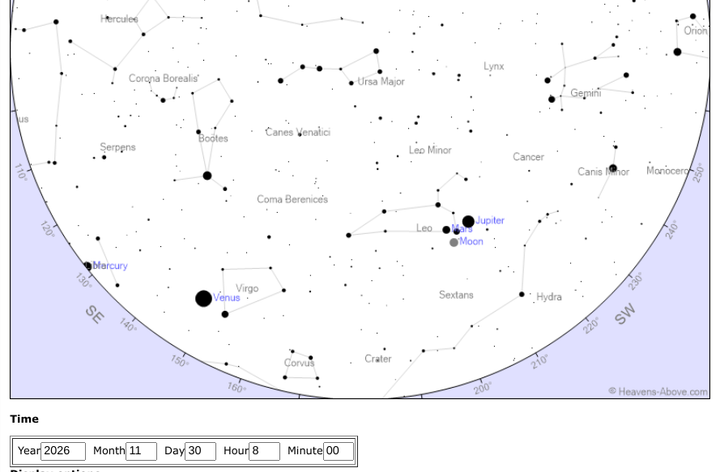
StarDate Susitna 11-8-26, by Kathleen Fleming
November can be a wonderful month for star gazing, and Kathleen Fleming wants to tell you about the night-sky events that may be visible in our Upper Susitna skies.