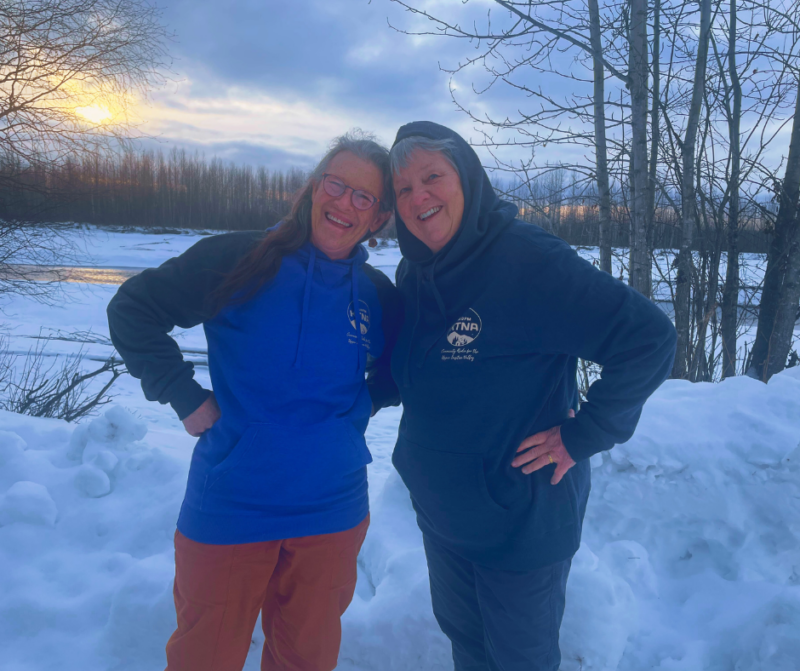
The Kahiltna Base Camp was disassembled last week, signaling the end of the 2021 climbing season on Denali, the tallest peak in North America. Kahiltna is the name of the glacier where climbers begin and end their climb. Teams are flown into the glacier by one of the local air services based in Talkeetna. There, they are checked into base camp by someone who, for three months, works and lives on the glacier. KTNA’s Colleen Love has more.
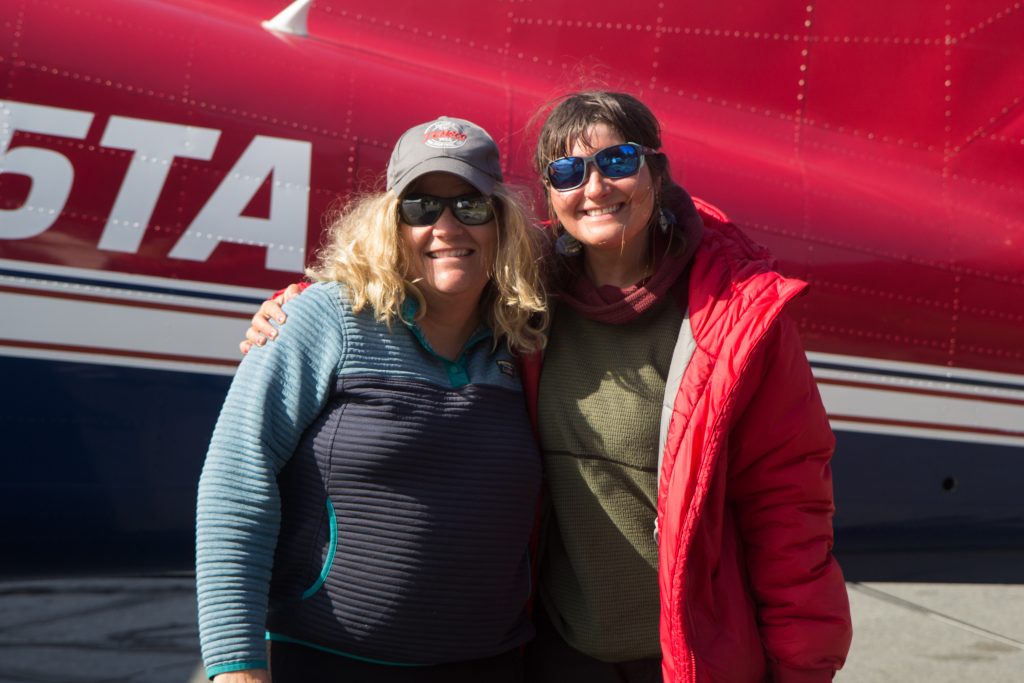
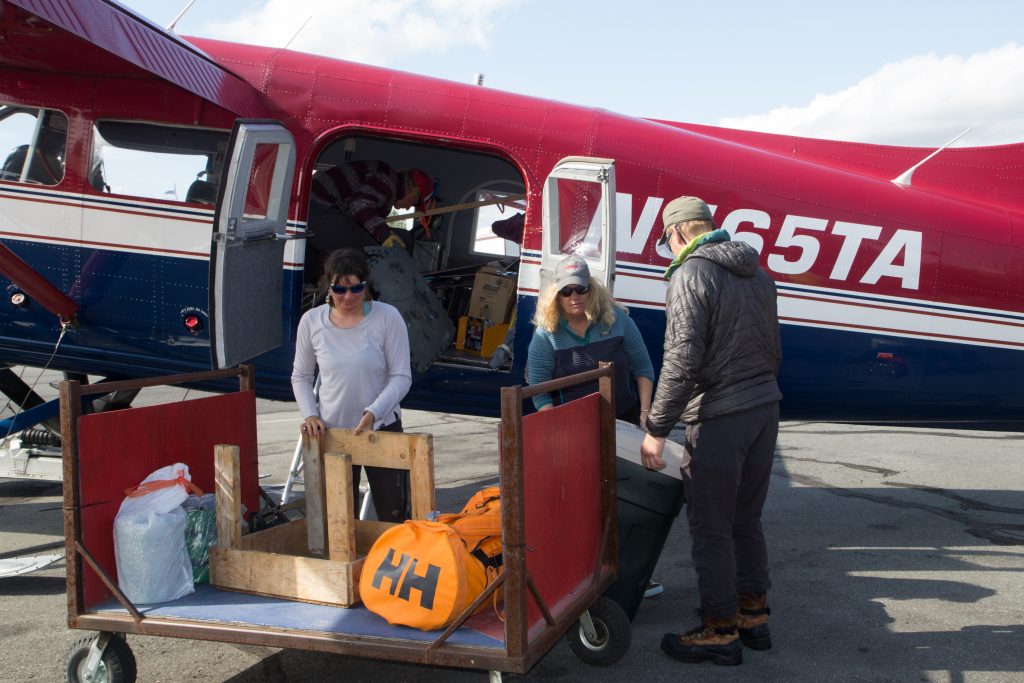
Lisa Roderick has been the base camp manager on the Kahiltna Glacier for almost twenty years, flying into the range in April to set up the camp and breaking it down in July. This year, she alternated managing the camp with assistant, Gabby Faurot. Gabby has grown up around Denali, climbing and camping with her father Chip Faurot, in the Alaska Range.
Gabby speaks about how the experience this year has changed her.
“I kind of struggle with being assertive and this is a job that you have to be assertive. People came up and they’re in my face about wanting to leave and I had to just lay it on the line like, “Hey, you can’t get out right now. No one’s going to fly in to pick you up because the weather’s bad.”
She’s also learned some tricks for curing climbers’ frustrations.
“One time I played frisbee with some people and that got them a little loosened up, they were a little bit happier, but the lemonade really does the trick. Just give them a glass of lemonade, sit down, ask them how their trip went.”
Base Camp is funded through the Air Association of Talkeetna. K2 Aviation and Talkeetna Air Taxi each collect a small fee from the clients they fly in to climb Denali. The air taxis then send that money to the Air Association, which pays the expenses for Base Camp. Gabby describes some of the tasks she performs on the glacier.
“I talk to the pilots, let them know what the weather is looking like, talk to the climbers, introduce them to base camp, gave them their gas, got them on their planes when they came back. Each air service, K2 and TAT, they send up this little base camp card with each climbing team, and you have a record of all the people, their permit number, their team name, how much fuel they paid for, what kind of communication they have and their routes; and then their projected out date so we can kind of keep tabs on that.”
One of the most important aspects of the job is communicating the weather to the air taxis, so they are better able to fly the climbers in and out of the range. Gabby finds she developed some pretty good forecasting skills.
“It’s all about patterns out there. Especially with the fog, you would notice when the breaks would come in and when it would start to clear, and then I was able to pay more attention to the wind patterns, and if I felt a certain type of wind, I would know that hey, maybe it’s going to clear out in like fifteen minutes.”
As with any new job, sometimes it’s difficult to know what is most essential. And it’s crucial to have a good support system when you find you don’t have what you need.
“I need so much Chapstick. My lips get really dry out there. It’s so sunny. I had to have a plane fly a tube in at one point cause my lips started to split the first week, or the first two weeks I was out there. And the gals over at Spinach Bread would send me a burrito every once in a while and that was really, really nice.”
By early July, the snow on Denali softens and makes travel difficult for the mountaineers. Climbers typically aim to finish their expeditions before that happens. Gabby explains what drives the decision to pack up base camp for the season.
“It’s the deterioration of the glacier. Crevasses are starting to open up a lot more than they were in the beginning of the season. It’s not freezing as much overnight. That is not super conducive to safe glacier travel, because snow on top of crevasses is really soft so you don’t have strong enough ice bridges.”
During the height of climbing season, Base Camp Managers might have one hundred climbers waiting at a time, anxious to fly back to Talkeetna for a shower and a hot meal. During those weeks, keeping an orderly cue for flights out of the range, is an important task for the Base Camp Manager. Right now, there aren’t many climbers left on the mountain. Since the teams carry “In-Reach” devices, the remaining climbers will be able to text the air services directly, and may well be the lone clients on the Kahiltna Glacier awaiting pick-up when their plane arrives.
Gabby looks forward to returning next year. Despite the remoteness of her job, she came away with a deep reverence for the Alaska Range.
“There’s this poem, it’s about appreciating the mountainside versus the summit. It’s not all about go, go, go, get to the top, that’s the only thing that matters. It’s about looking down at the ground, what you’re walking on, what you’re walking past, and you appreciate everything that it takes to get to the summit.”
And you can be sure some of that appreciation is held for people like Gabby, working from her office on the Kahiltna Glacier.