



Six Minute Science: Archive EP 1-56
The complete archive of Six Minute Science is now available, featuring all the episode in one place. You can also access the show in the local programs catalog page.

Six Minute Science, produced and hosted by KTNA’s Jenny Willoughby, promises to be a weekly cram session of everything weird and wonderful about science. Enjoy perusing through all the past episodes. Stay tuned for a new season this fall.
Episode 1: Morels and Fire
Episode 2: Octopuses and Antarctica
Episode 3: Redwoods and Fire
Episode 4: Microplastics
Episode 5: Garbage Patch
Episode 6: Snakeworms
Episode 7: Magma
Episode 8: Ice Fog
Episode 9: No Summer
Episode 10: Arctic-breeding Shorebirds
Episode 11: Iron Lead and Glacial Dust
What’s so important about the iron and lead scientists have found in the glacial dust? Airplanes and food webs and melting glaciers, oh my!
Episode 12: Caterpillar Mimicry
Why caterpillars in Alaska look like snakes, which aren’t found in Alaska. And how climate change is impacting butterflies.
Episode 13: Tidepools
What a tidepool is, who lives there, and how they might be changing.
Episode 14: Aurora
What the Aurora Borealis is, how it happens, how it gets its color, and if it makes a sound.
Episode 15: Canada Lynx
Canada lynx, what makes them able to live in Alaska, and new research on their travel patterns
Episode 16: Microplastics on Denali
Two University of Alaska Fairbanks students collected samples for microplastics on their way to the summit of Denali. So far, their research shows microplastics are even on North America’s highest peak.
Episode 17: Cogeneration
Cogeneration is a newer way to recognize efficiencies and resilience in energy generation and usage. The Ted Stevens Anchorage International Airport will build one of these facilities in the very near future.
Episode 18: Wildfire Seasons
Wildfire is pushed by different factors depending on when they happen during the season. And trends are showing the fire season is getting longer.
Episode 19: Barnacles
Barnacles are one of those weird critters that have a two-part life cycle, but also seem to be more resilient in warming water. Recent research shows they take advantage of any bare spots on rocks left by things that can’t hang in the rising water temps.
Episode 20: Wildfire Air Quality
Wildfire smoke is a concern for air quality, but new research shows that intense wildfires generate more particulate matter higher in the atmosphere rather than on the ground.
Episode 21: Fossils and Sediment
Dinosaur tracks abound in the Yukon Delta, but recently they also found some very large bird tracks, indicating some interesting things about the life that the Delta has supported over millions of years.
Episode 22: Bar-tailed Godwits
Bar-tailed godwits travel about 20,000 miles each year reaching three different continents, with a summer stopover in Alaska to fatten up and raise babies. And a bar-tailed godwit holds the record for the longest non-stop flight known to science.
Episode 23: Atmospheric Energy
Non-visible atmospheric energy may not be as pretty as the Aurora, but it can have a big impact on everything from telecommunications to carbon dioxide.
Episode 24: Invasive Species Risks
Invasive species can become problematic for our ecosystems and even us, but there are a few things we can all do to reduce their spread.
Episode 25: Volcanos and Earthquakes
Alaska has a lot of volcanoes and earthquakes-more than any other state. And they are linked, but do earthquakes actually trigger volcanic activity?
Episode 26: Earth MRI in the Kuskokwim
Through the Earth MRI program, scientists collect data about where mineral resources are located and what those minerals might be and the Kuskokwim data will be collected with aeromagnetic surveys.
Episode 27: Pesticides in the Environment
Some persistent pesticides are especially helpful with managing invasive plants that have long-lived seeds. Knowing which one will be the best for certain applications is key.
Episode 28: Pollinators and Plant Preference
New research is showing that invasive plants just aren’t attractive to many pollinators the way that native plants are
Episode 29: Phytoremediation
Get into the nuts and bolts of phytoremediation, or using plants to clean up contaminated sites.
Episode 30: Stream Scour
Learn about what scour is, how it affects bridge piers, and all the equipment used to measure it.
Episode 31: Mount Churchill
Learn about the history of Mt. Churchill and what its past eruptions can tell us about how a new activity could impact us if it erupts.
Episode 32: Microbes in Winter
What a microbe is and what it does, even in winter, and how they help with the carbon dioxide battle.
Episode 33: Ants
ANTS! It’s all about how they live, how they fit into the ecosystem, and why it’s so hard to identify them.
Episode 34: Black Brants
Black brants, which are a special kind of geese, their migration patterns and habitats.
Episode 35: Glacier Trash (Poop) Revisited
Glacier trash, how it travels in the glacier, and what it could mean for water quality.
Episode 36: Remote sensing for bark beetle infestation.
Tracking spruce tree deaths using multiple remote sensing methods.
Episode 37: Songbirds at the Alaska Songbird Institute
This episode is about the data collection efforts at the Alaska Songbird Institute.
Episode 38: Beavers and Poplars
This episode is about beavers moving north and what impacts they may have on tundra poplar groves.
Episode 39: Microbes in Permafrost
This week’s episode is about microbes in melting permafrost.
Episode 40: Mendenhall Glacier
This episode is about the Mendenhall Glacier, its retreat, and its flooding.
Episode 41: Tularemia
This episode is about Tularemia, what it is, and how it can affect wildlife, humans, and our pets.
Episode 42: ACORN
This episode gives an update on ACORN – Alaska’s Continuously Operating Reference Network. The State’s ACORN system has expanded westward, and brings a lot more capabilities that will help keep data collection efforts on a consistent system and help with planning and development too.
Episode 43: Ice Pillars
This week’s episode is about ice pillars, how they form, and where to see them.
Episode 44: Lamprey
This episode is all about lamprey, where they live, what they eat, and their complex life cycle.
Episode 45: Radon
This week’s episode is all about radon, what it is, and where it’s found.
Episode 46: Whalespotter
This week’s episode is about Whalespotter, technology that ship captains can use to spot whales and avoid them.
Episode 47: Mammoths
This episode is about woolly mammoths, not woolly mammoths, and the quest to find the youngest mammoth fossils in Alaska.
Episode 48: Glacier Weather Station
This episode is about a new camera and weather station on Kahiltna Glacier, which will help to fill data gaps for pilots and climbers destined for Denali. The public is welcome to view the camera and weather station.
Episode 49: Hubbard Glacier Faults
This week’s episode about the Hubbard Glacier, a recent big earthquake, and the faults that lie underneath.
Episode 50: Whimbrels
This episode is about the amazing whimbrel, a shorebird that travels thousands of miles every year, landing in the Alaskan tundra to breed and eat.
Episode 51: Bark Beetles and Climate
The guest on this episode is Nancy Fresco, a researcher with the International Arctic Research Center at the University Alaska Fairbanks. She discusses how the changing Alaskan climate may not protect against bark beetle outbreaks in the future.
Episode 52: Avalanches and Mountain Goats
This week's episode is about the impacts of avalanches on mountain goat populations.
Episode 53: Chilkat Lynx Project
This episode is about the Chilkat Lynx project, a community effort to collect more data about lynx in coastal watersheds.
Episode 54: Mercury in Lake Trout
This week's episode with USGS Research Fish Biologist Sarah Laske is about mercury in lake trout, how it gets there, and what we should know about our next meal. The State of Alaska's fish consumption calculator can be a useful general guide and the EPA also has a general guide for fish consumption.
Episode 55: Sandhill Cranes Return
This week's episode is all about the spring migration of the sandhill cranes to the Upper Susitna Valley. Local birder Kathy Ernst shares her decades of experience with the cranes.
Episode 56: Wildfire Impacts
In this week's episode, Rachel Loehman, a Research Landscape Ecologist with USGS Alaska Science Center, shares the impacts of wildfire and how the intensity and the time between fires can change those landscapes.
Read More
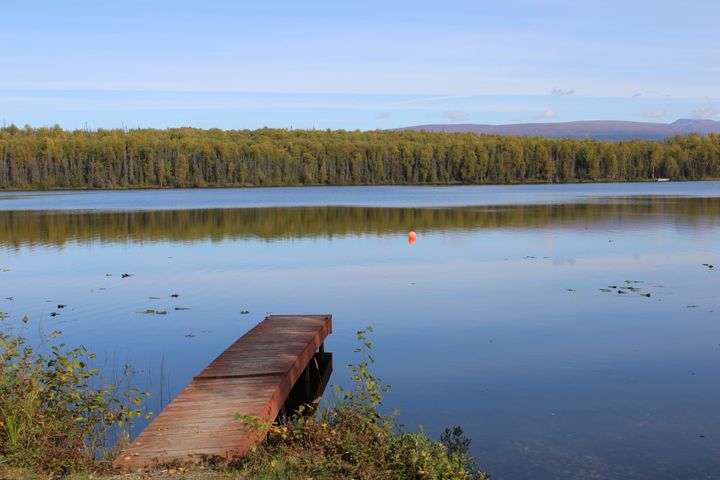
Residents worry that a proposed land transfer near Houston could open the door to data centers
Some community members fear the transfer could limit their ability to use the land and bring in unwanted forms of development.
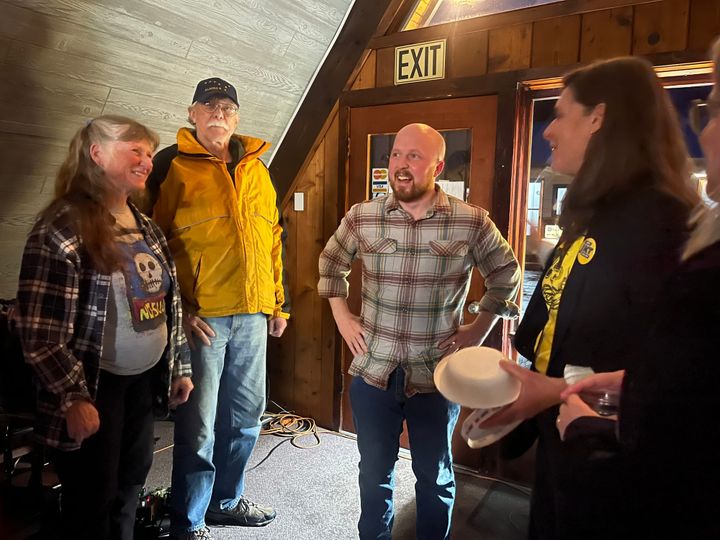
Gubernatorial Hopeful Visits Talkeetna for Meet & Greet
Gubernatorial candidate, Jonathan Kreiss-Tompkins, also known as JKT, visited Talkeetna recently on the campaign trail. He greeted

Susitna Writer's Voice - October 11th, 2026, Acceptance pt 1 by Ruth Wood and Kathy Trump
This is the first of a new 3-part Susitna Writer's Voice featuring a story written and read by Kathy Trump and Ruth Wood.

Su Valley Voice for October 15, 2026: Government Check-In
This week on Su Valley Voice, host Phillip Manning shared pre-recorded interviews with two candidates and shared information about the November 3 election.