



Anja Radano prepares for her first Iditarod
For most of her fourteen years in Alaska, Anja Radano has been involved in the mushing world. Her first experience with sled dogs was helping musher Melanie Gould with one
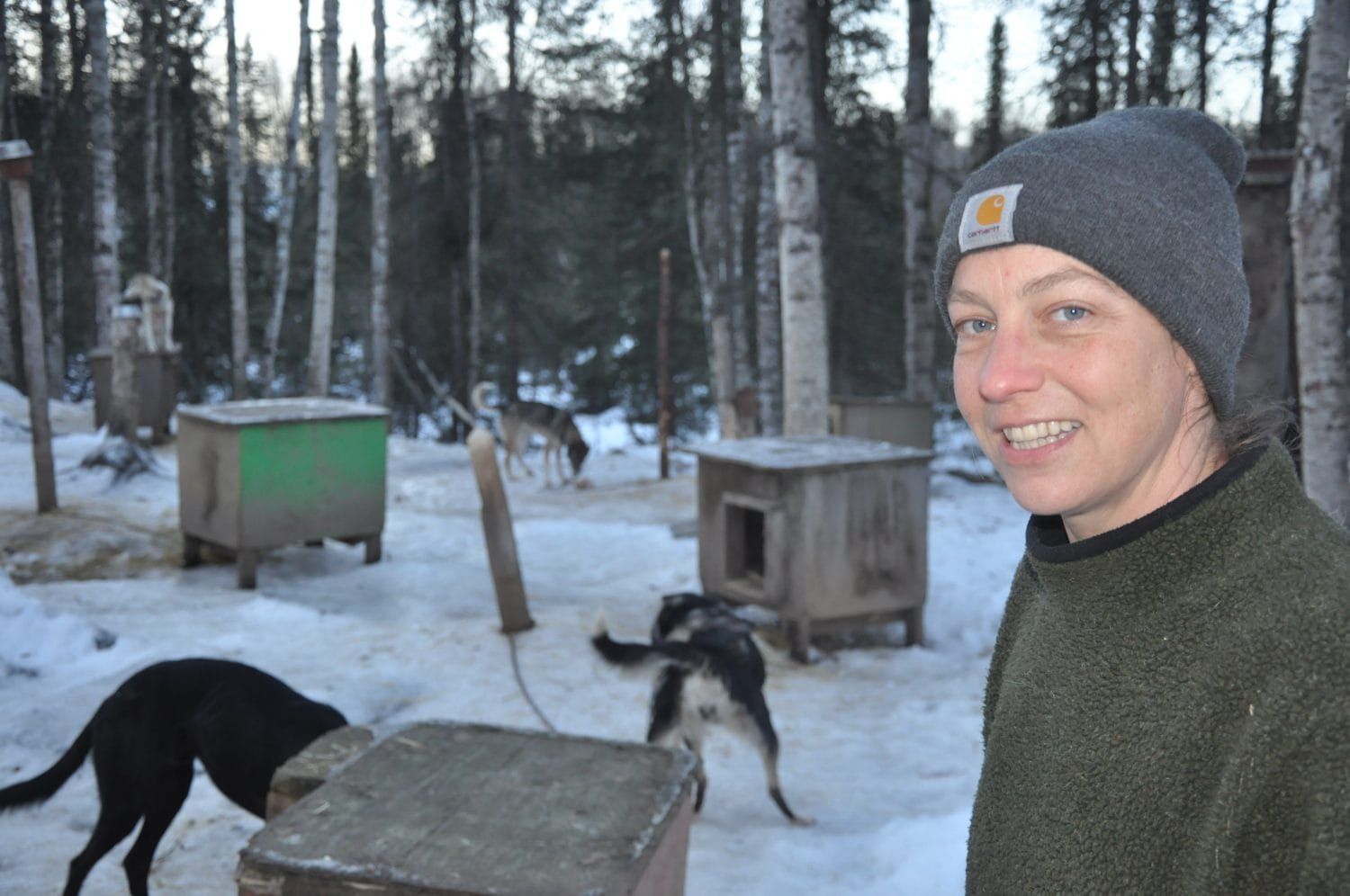
For most of her fourteen years in Alaska, Anja Radano has been involved in the mushing world. Her first experience with sled dogs was helping musher Melanie Gould with one of her Iditarod runs. After working with the dogs, Anja says she quickly developed an addiction to the sport and the animals themselves.
“You get to places you would never have a chance to get to otherwise, and you experience things that nobody else, unless you do that, can…They’re my family; they’re my friends.”
Originally from Southern Germany, Anja and her husband, Pete, live near a lake in Talkeetna. The ground can get pretty swampy in the summer, hence Anja’s kennel moniker, “Swamp Dawg.”
Maintaining a sled dog team means a lot of work and a lot of money. Anja Radano isn’t sure
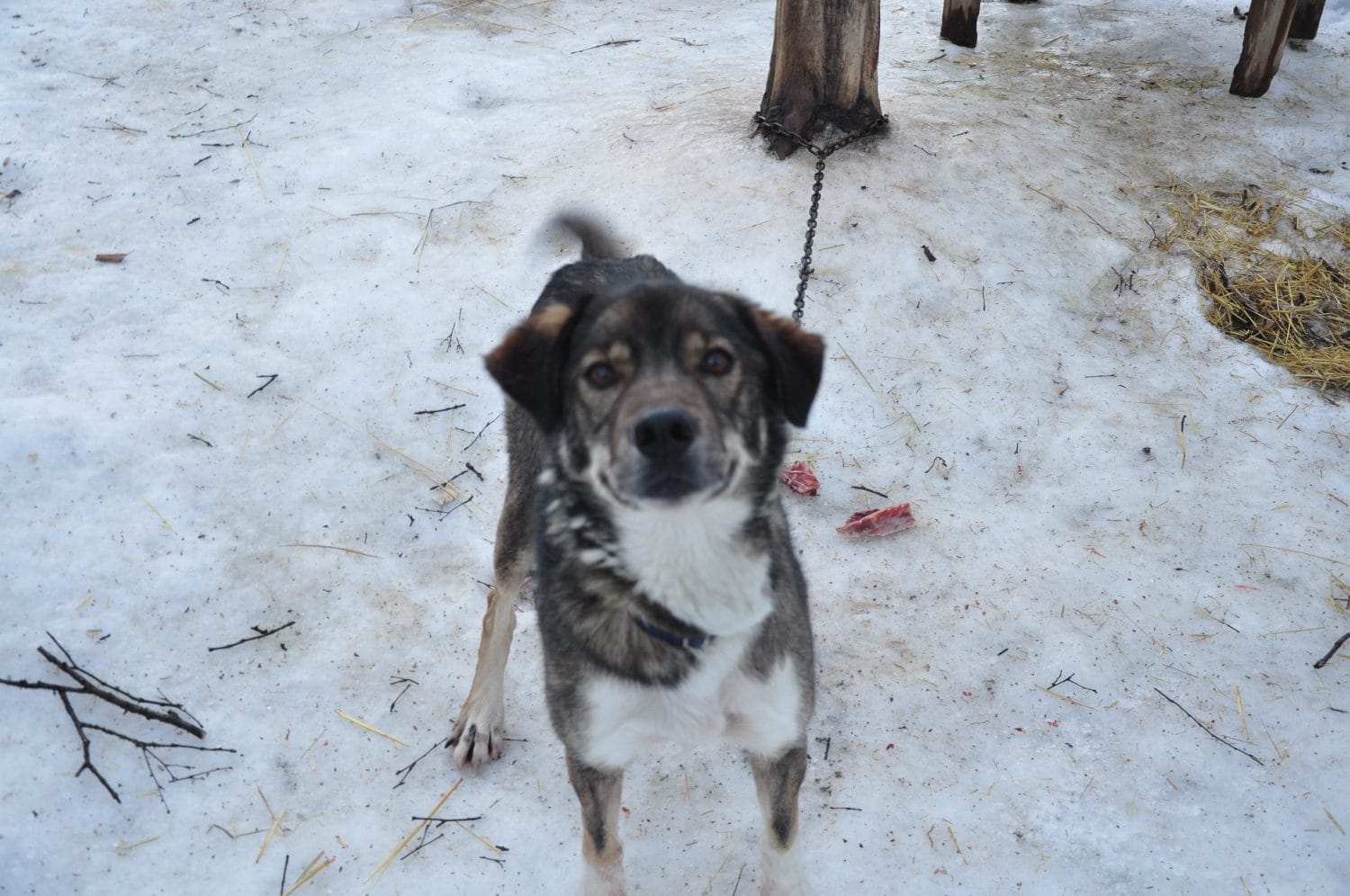
exactly how much she will have spent on her team and gear once the Iditarod starts, but she says $25,000 is not an outlandish guess. Anja says there are a number of factors that add to the cost of having an Iditarod team.
“Just maintaining a team through the year, because you have to feed them 365 days a year, not just for the the Iditiarod, and then training. Lately, since the conditions here are not really great, we’ve been traveling up to the Denali Highway a lot, so you have to put in gas.”
Anja works as a vet tech, and has volunteered on multiple Iditarods in her time in Alaska. In all that time, though, she says she has never been to Nome, the endpoint of the race.
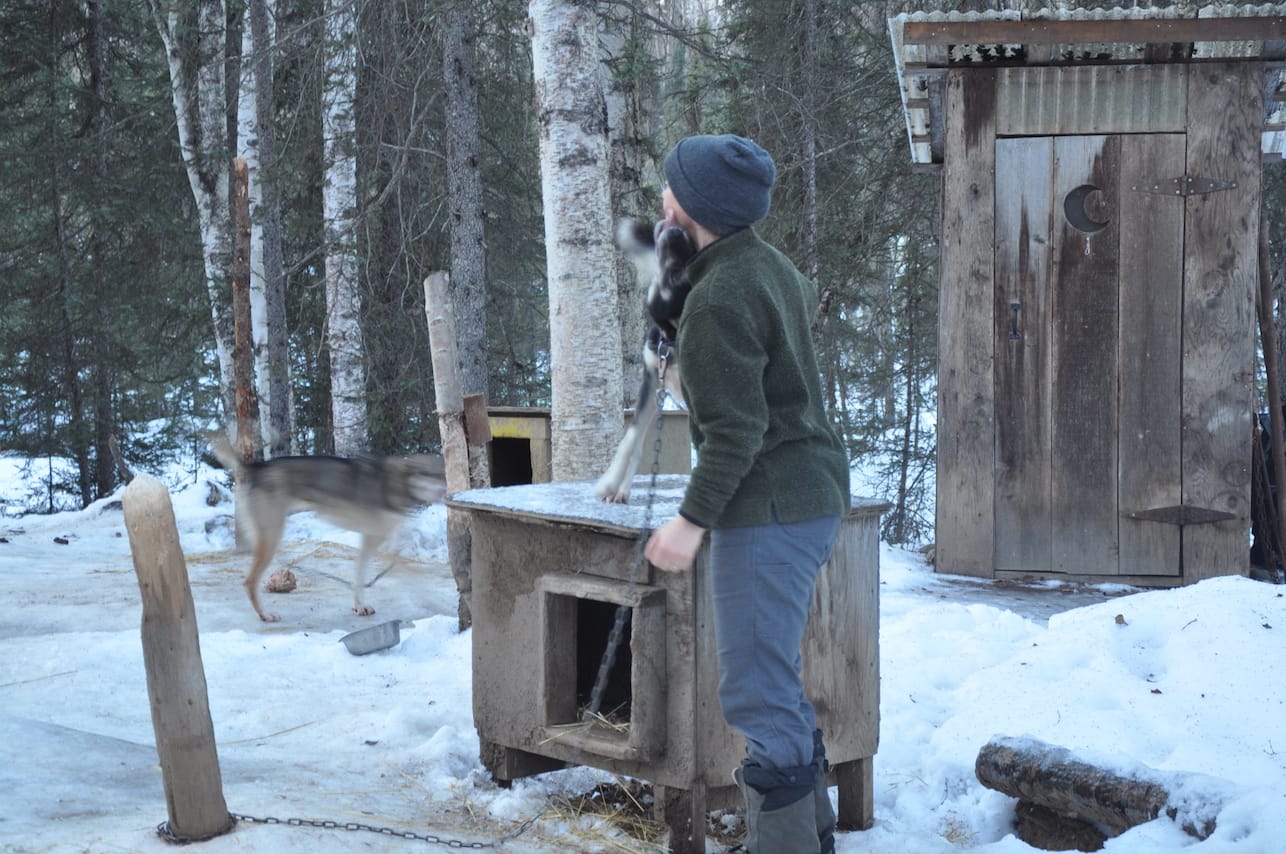
“I had many opportunities to go…but I always said, ‘I’m not going unless I’m going on a dogsled, so hopefully this year I’ll make it.”
Finishing the Iditarod is no small feat, and while Anja isn’t necessarily planning on a high-placing finish, she does have a goal beyond simply crossing under the burled arch.
“What would make me happy is to finish and not finish last.”
Anja Radano currently plans to start the Iditarod with fourteen dogs. Mushers are allowed to start with as many as sixteen, but Anja says she doesn’t think a couple more dogs are likely to give her an edge.
“I feel like two more don’t really matter in terms of power or speed, and it’s just two more dogs you have to bootie [and] feed. It’s just extra work, you know.”
Alaskan Huskies, the dog of choice for the Iditarod are bred to run, and to thrive in cold temperatures. Anja says her dogs seem to have a broad range of cold tolerance.
“I start, usually in August, running them, at least for short runs early in the morning. So, they’re used to running in warmer stuff, but you can tell they’re usually more thirsty after and get tired quicker. And then when it’s really cold, I don’t think they mind it as much as the musher.”
Like many mushers, Anja Radano plans to run some shorter races before the Iditarod as part of her team’s training. Her next race will be the Knik 200 on January 6th.
Read More

Su Valley Voice for October 15, 2026: Government Check-In
This week on Su Valley Voice, host Phillip Manning shared pre-recorded interviews with two candidates and shared information about the November 3 election.

Bean-A-Fit Dishes Out Almost Four Decades of Philanthropy
The Talkeetna Bean-A-Fit Crew has been dishing out soup at a community meal for almost 40

Talkeetna Local Takes on National Karaoke Competition
Singer-songwriter Kayti Heller, who performs as Aspenyarrow, hadn’t considered karaoke as a part of her professional
West Su Access Road on Permitting Fast Track
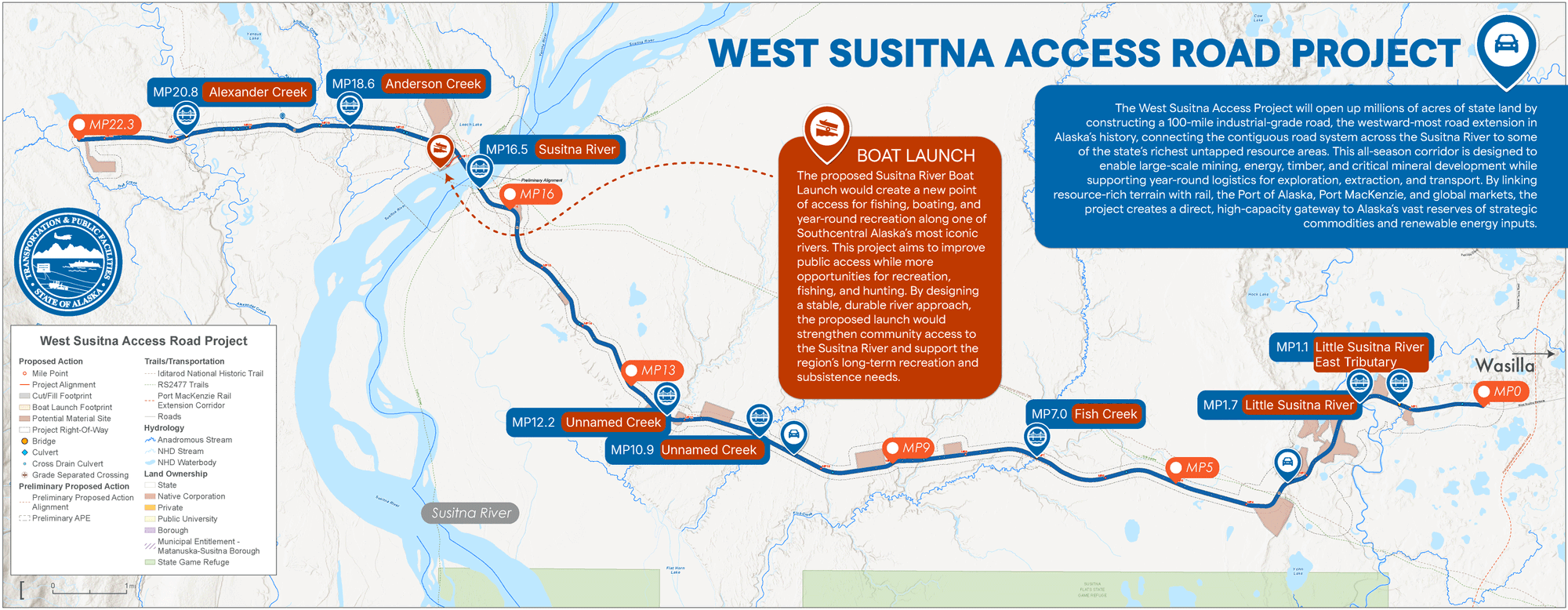
The West Susitna Access Road is now on a fast track for permitting approval.