



Big Wild Ride Visits Talkeetna
The Big Wild Ride is a 1200 kilometer cycling ride from Valdez to Anchorage via Fairbanks. The cross-country biking event, called a randonée (ran-don-NAY), began late Sunday night, and the
The Big Wild Ride is a 1200 kilometer cycling ride from Valdez to Anchorage via Fairbanks. The cross-country biking event, called a randonée (ran-don-NAY), began late Sunday night, and the cutoff for riders to reach the finish line at Ship Creek is Thursday (this) evening . Talkeetna is the last of three manned checkpoints where riders can get some food and perhaps a bit of sleep.
Wednesday morning, the first rider arrived at the Swiss Alaska Inn at 9:10 am. He had not slept since the first checkpoint in Delta Junction on Monday, and quickly ate a steaming plate of eggs and toast before setting off again. The next riders didn’t arrive until the afternoon.
Tom Parker was a participant in the Big Wild Ride in 2011. This year, he is overseeing the checkpoint. After he fields calls for his real job as a vulcanologist, he spoke about his experiences with the ride, particularly when he reached Talkeetna.
“When I got here, I was feeling great. By this point, I saw the finish line. I live in Anchorage. To me, once I saw Trapper Creek I knew I was home. I could picture the road all the way in, so Talkeetna was a great place to come to.”
As exhausted riders share stories over dinner, Kevin Turinsky, the event organizer, is optimistic about the end of the randonée.
“We had forty-four riders leave from Valdez. We’ve had three DNFs (Did Not Finish) along the way, so at this point I think everyone else is going to make it.”
The Big Wild Ride is an unsupported event, meaning riders are on their own to conduct bike maintenance. Turinsky, smiling, tells the story of one rider who refused to let a flat tire stop him.
“He didn’t have any more inner-tubes nor patch kit. [He] pulled over to the side of the road, stuffed is tire casing with twigs and branches, and has been cruising along at five miles an hour until he can get a replacement inner-tube.”
Of the forty-four riders who started the event, only one calls Alaska home. Ted Timmons lives in Eagle River, and this is his first 1200 kilometer event. He says the route takes him within about half an hour of home.
“I may be tempted to peel off in Eagle River, but my house is up a big hill, so I may continue on in.”
Timmons says that the sport of endurance rides is on the rise in Alaska, where the summer climate is normally quite favorable.
“We seem to have more riders. They sure taper off on the longer rides, understandably. I can explain it to people. It is crazy. It’s very rewarding, I think, to challenge yourself. It’s amazing what the body will do with a little pushing. It’s ninety-percent mental, I think. Just making yourself go on.”
Timmons planned on getting a few hours of sleep, then setting off for the finish at Ship Creek. His plan was to make it by late Thursday afternoon to catch a ride, in a car, from his wife.
Read More
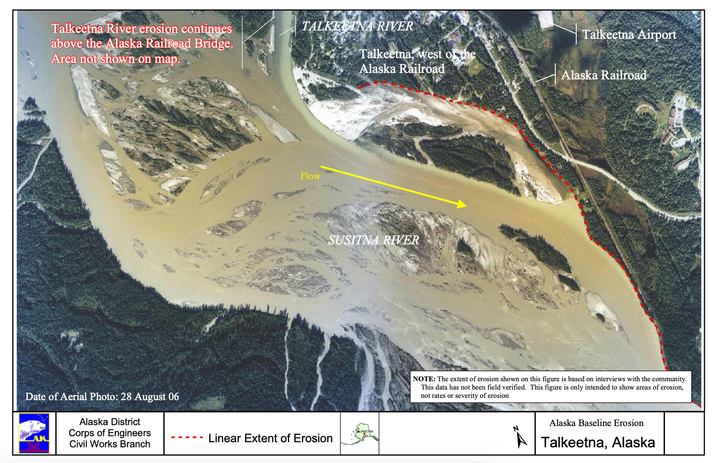
Erosion Mitigation Disaster Funding
The Borough is expected to secure $2 million in federal funds for the planning and design of a comprehensive flood protection system in the downtown area.

Su Valley Voice: KTNA News Department
In this episode host Trisha Costello was joined by all three of the news producers that make up the KTNA News Department.
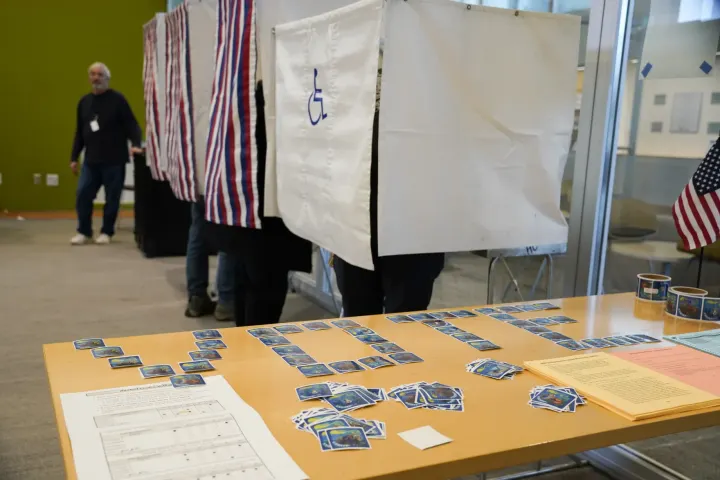
Here's how the Upper Susitna Valley's local precincts voted in statewide and district races
According to unofficial election results from the Alaska Division of Elections, the majority of Talkeetna residents voted in favor of Democrat Mary Peltola in the U.S. Senate Race

Six Minute Science 11-7-26, Episode 59 - Alaska Grown Grains
Alaska Grown grains like Sunshine Barley are helping to build Alaska's food resilience and provide economic opportunities for local Alaskans. UAF Institute for Agriculture, Natural Resources, and Extension Director Jodie Anderson talks about new grain varieties.