



Fire Season Shifting
The delayed spring has kept the fire season dampened so far, according to Alaska Division of Forestry and Fire Protection Information Officer Sam Harrel. But, he says, the season is
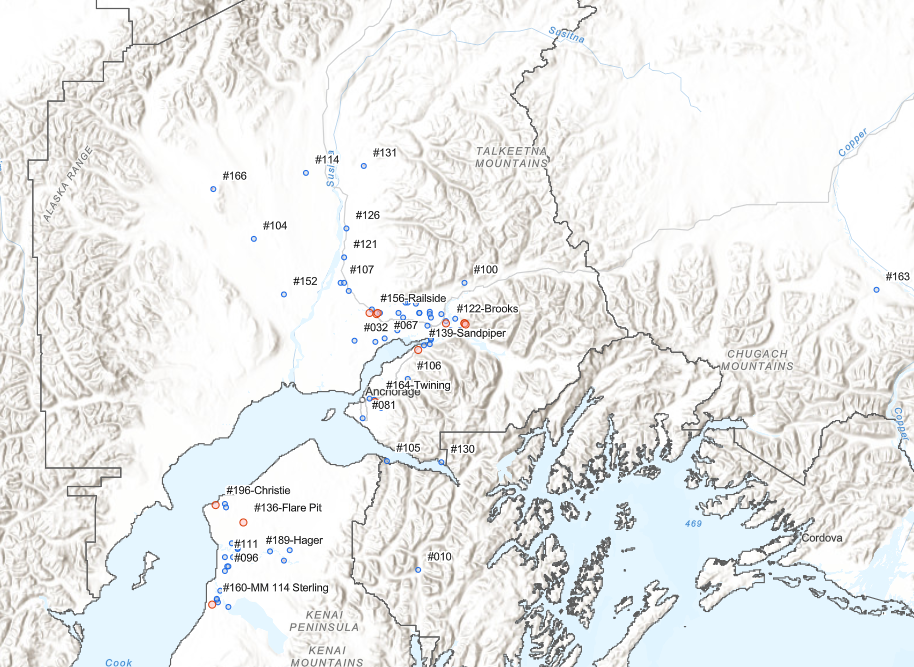
The delayed spring has kept the fire season dampened so far, according to Alaska Division of Forestry and Fire Protection Information Officer Sam Harrel. But, he says, the season is turning.
Wind-driven surface fires start the season, but as the sun burns longer each day, it dries out the duff layer and trees. Harrel says the black spruce in particular is what drives some of the larger fires. And those dry materials are more susceptible to lightning. Warmer temperatures creating convection in the atmosphere leads to storms. And some storms are expected this weekend.
This year, across all of Alaska, there have been about 150 fires with 5,331 acres burned so far. Harrel says this year is shaping up to be an average fire season. But that could mean several hundred fires and thousands of acres burned.
With nice weather and the solstice approaching, Harrel says it’s especially important to be careful with campfires and grills. Fires need to be completely extinguished and cold to the touch before leaving them.
Harrel says residents also should have a plan in place in case there is a fire in the neighborhood. The Alaska Interagency Coordination Center Interactive Fire Map shows all fires and lightning activity so residents can be aware and get prepared.
Read More
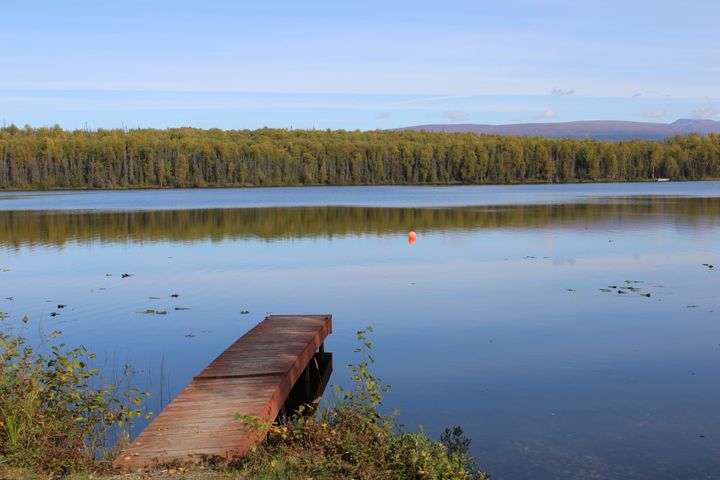
Residents worry that a proposed land transfer near Houston could open the door to data centers
Some community members fear the transfer could limit their ability to use the land and bring in unwanted forms of development.
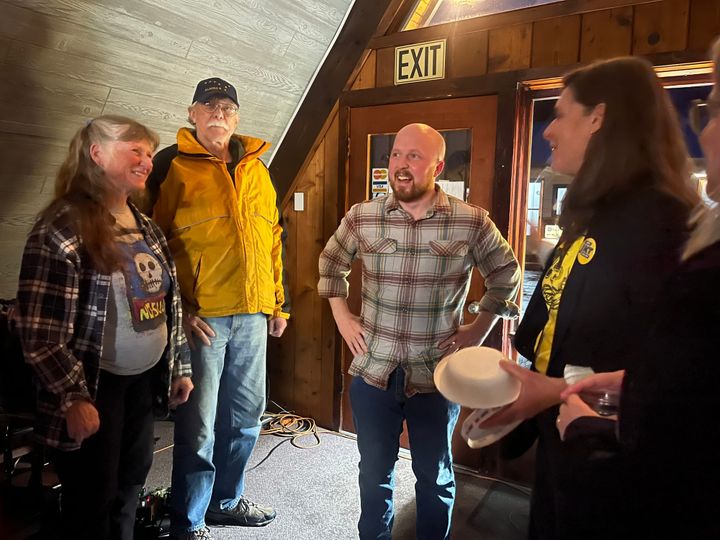
Gubernatorial Hopeful Visits Talkeetna for Meet & Greet
Gubernatorial candidate, Jonathan Kreiss-Tompkins, also known as JKT, visited Talkeetna recently on the campaign trail. He greeted
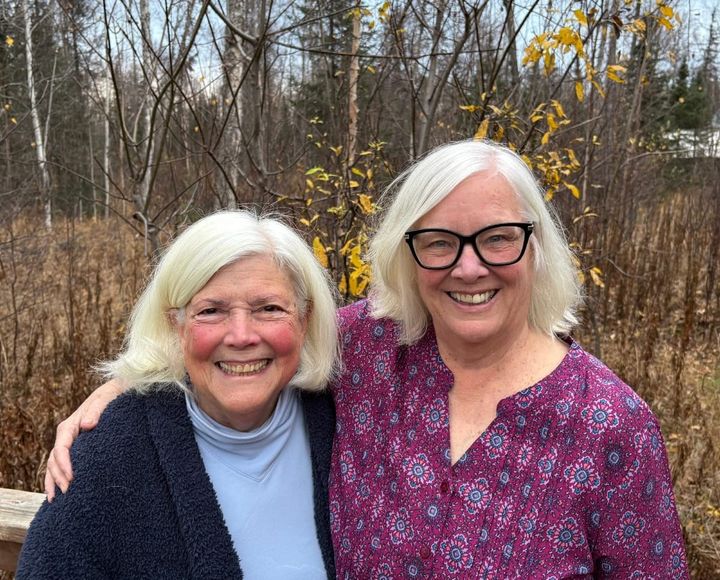
Susitna Writer's Voice - October 11th, 2026, Acceptance pt 1 by Ruth Wood and Kathy Trump
This is the first of a new 3-part Susitna Writer's Voice featuring a story written and read by Kathy Trump and Ruth Wood.

Su Valley Voice for October 15, 2026: Government Check-In
This week on Su Valley Voice, host Phillip Manning shared pre-recorded interviews with two candidates and shared information about the November 3 election.