



House Bill 77 Returns With Revisions
The controversial bill to change the way the Department of Natural Resources handles some of its permits has been revised and a new draft is being discussed in the state
The controversial bill to change the way the Department of Natural Resources handles some of its permits has been revised and a new draft is being discussed in the state senate.
House Bill 77, which stalled at the end of last year’s legislative session due to a lack of votes, caused a stir when some legislators and members of the public viewed it as a way to allow the Alaska Department of Natural Resources to cut a significant portion of the public process out of permitting decisions. Legislators and representatives from DNR participated in multiple meetings around the state, including one in Talkeetna, to hear concerns from Alaska residents. Most of those concerns centered around three issues within the bill.
The first issue raised is in the very first sentence of HB 77. As it read at the beginning of the legislative session, the bill would have allowed the DNR commissioner to issue general permits for activities on state land that would be unlikely to cause “significant and irreparable harm” to that land. It also contained a clause that many believed would allow the Commissioner to bypass other laws designed to restrict certain types of activity and development. The new revision removes that clause and makes it so that the general permits would only be allowed to cover activities that DNR is already allowed to permit. Additionally, it changes “significant and irreparable harm” to “significant or irreparable harm.” The new language also provides for public notice of the permits, and allows an appeal process. At a committee hearing on Monday, Senator Hollis French said that the change was not enough, and that the entire provision should be scrapped.
The second issue that was consistently raised at the public meetings earlier this winter is the issuance of instream flow reservations. Those reservations are certificates issued by DNR that guarantee a certain level of flow in a given river or stream, regardless of any additional development. They are often used to protect things like fish habitat. In the original bill, only government agencies would have been able to apply for a flow reservation. In the latest revision, individuals, corporations, tribes, and other groups are eligible. The reservation would still technically be held by a state agency, however.
The final issue that drew consistent criticism is a change to how DNR would handle appeals. Currently, a person wishing to appeal a DNR decision must participate in the public process by commenting either in writing or at a public hearing, and must be “aggrieved” by the decision. House Bill 77 contains language that would raise the bar, stating that only those “substantially and adversely affected” may appeal a decision. That has many environmental groups concerned, as it leaves the exact criteria up to DNR itself, and could lock out appeals on environmental grounds. Proponents of the legislation have often used the potential for abuse by parties outside of Alaska as a reason for leaving the language in. The latest draft of HB 77 has no changes to the appeal requirements from the original bill.
Currently, the bill is scheduled for a single public testimony session on Wednesday at 3:30 pm before the Senate Resources Committee. Testimony from around the state is being organized through the Legislative Information Offices.
Read More
Su Valley Voice: KTNA News Department
In this episode host Trisha Costello was joined by all three of the news producers that make up the KTNA News Department.
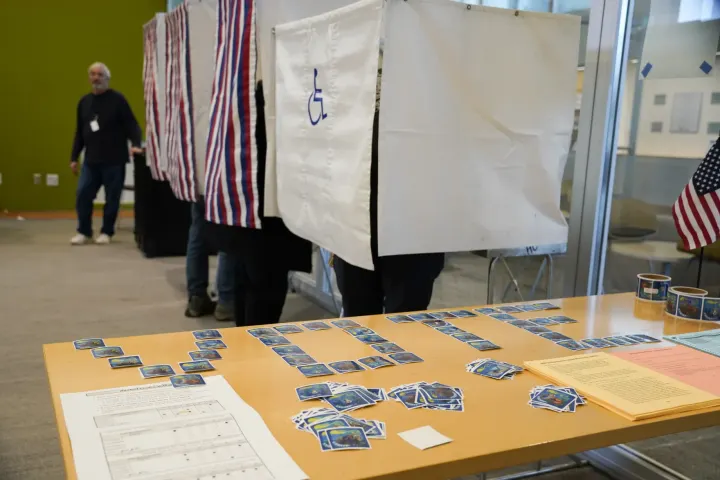
Here's how the Upper Susitna Valley's local precincts voted in statewide and district races
According to unofficial election results from the Alaska Division of Elections, the majority of Talkeetna residents voted in favor of Democrat Mary Peltola in the U.S. Senate Race

Six Minute Science 11-7-26, Episode 59 - Alaska Grown Grains
Alaska Grown grains like Sunshine Barley are helping to build Alaska's food resilience and provide economic opportunities for local Alaskans. UAF Institute for Agriculture, Natural Resources, and Extension Director Jodie Anderson talks about new grain varieties.
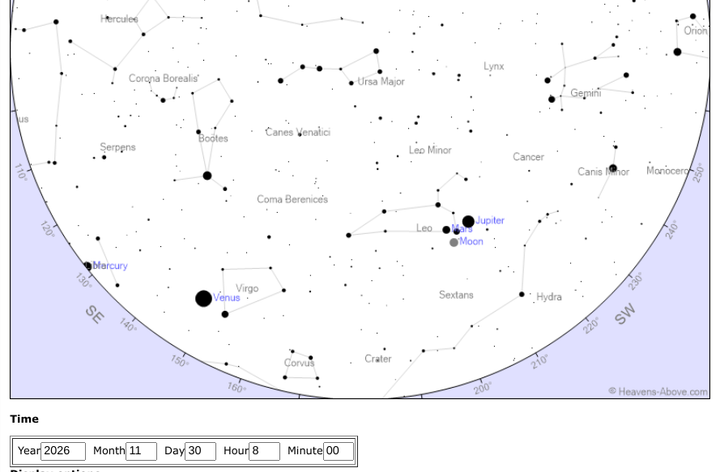
StarDate Susitna 11-8-26, by Kathleen Fleming
November can be a wonderful month for star gazing, and Kathleen Fleming wants to tell you about the night-sky events that may be visible in our Upper Susitna skies.