


Mat-Su Superintendent speaks about current COVID-19 mitigation in schools
As of Friday, nearly three-quarters of schools in the Mat-Su were in the “Medium Risk” category. In the past, that meant masks were typically required for grades three and up,
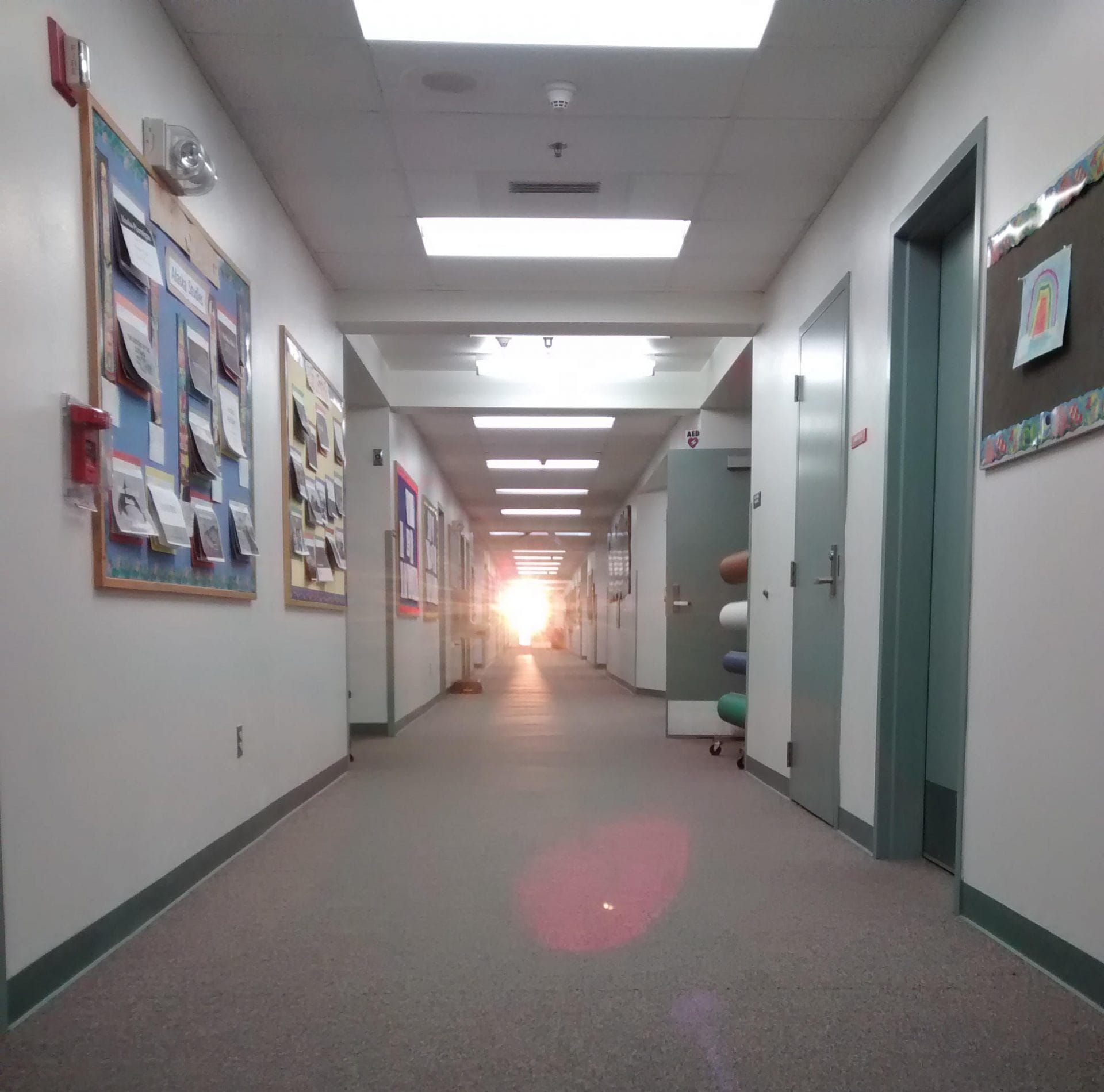
As of Friday, nearly three-quarters of schools in the Mat-Su were in the “Medium Risk” category. In the past, that meant masks were typically required for grades three and up, but that has recently changed.
Statewide, new cases for the Omicron variant of COVID-19 have begun to slow, though the current daily totals are still near the peak of the Delta variant surge last fall.
For the week beginning January 31st, a majority of schools in the Mat-Su were in the “medium risk” operational zone, but masks were no longer being required. Mat-Su School Superintendent Dr. Randy Trani says the district had initially planned to relax mask requirements at the beginning of the new year, but held off when the new variant emerged.
“But then with the Omicron surge, we said ‘Let’s watch and make sure it behaves like it behaved in other states.’”
Schools in the yellow risk category have a wide range of seven day case counts, from one to thirty-one. Trani says the standard procedure thus far has been to keep a school in the medium risk category for a significant amount of time before returning them to low-risk.
“We’re going to wait at least two weeks before we consider going back, even if cases drop off miraculously, because of the infectious period.”
That practice was based off older isolation recommendations from the Centers for Disease Control and Prevention. Trani says there is no concrete plan on whether or how to change it going forward, but that change is possible.
Trani adds that conversations between the school district and the Division of Public Health indicate that transmission is typically happening outside of school, and that masking in elementary schools does not appear to be impacting infection rates for Omicron the way it did with previous variants.
“Our K-2 students have not been masked, and our [grades] 3-5 students have been masked in the same building. And there was no difference in the rates of infection.”
While many schools remained in the “Medium Risk” category as of Friday, none had been placed in “High Risk” for some time. That’s the category where in-person school stops. While absence rates are surpassing twenty percent at some schools, Trani says that’s significantly lower than in other surges during the pandemic. Going to the red category, according to Trani, comes down to staffing.
“Can we staff a school safely? If we can, then we keep them open….There hasn’t been [a situation] since Delta where half of the students are out. When we think about the services we provide across our communities, if we have three-quarters of our students who can come to school, we want to keep school open.”
The Centers for Disease Control and Prevention say vaccination is the leading strategy to end the pandemic, but continue to recommend universal indoor masking for schools.
According to state data, about forty-one percent of the Mat-Su has completed a primary COVID-19 vaccine series.
Read More

Short-Term Erosion Mitigation Projects
At last week’s stakeholder coordination meeting on Talkeetna’s ongoing erosion and flooding problem, they decided to
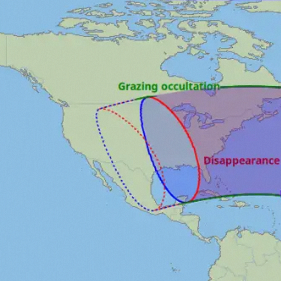
StarDate Susitna 10-4-26, by Kathleen Fleming
There are a number of interesting astronomical events coming up, mostly having to do with the Moon's social schedule.

Improvements on Mainstreet
On September 30th, the Mainstreet Area Improvement Committee met for the first time since last April to review
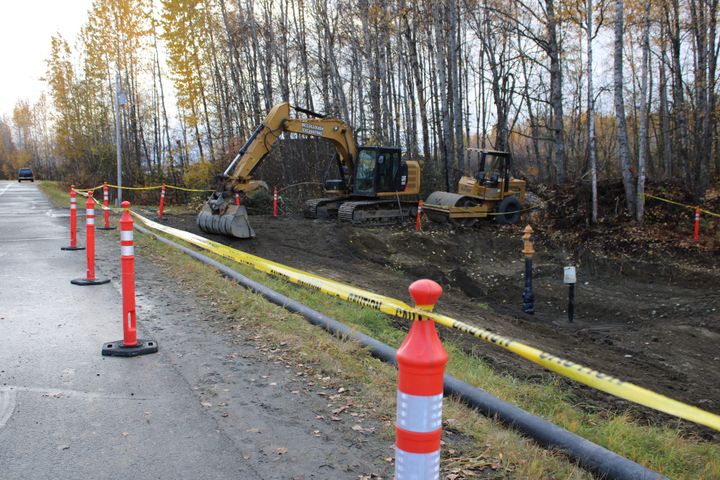
Summer Erosion Brings Water Line Work
The project included installing a water valve, removing two fire hydrants, and installing a new hydrant in front of Susitna River Lodge