



New directions for glacier research high in the Alaska Range
A team of scientists fresh off an extended research mission to Glaciers high in the Alaska Range gave a presentation at the Talkeetna Ranger Station on Tuesday night about their
A team of scientists fresh off an extended research mission to Glaciers high in the Alaska Range gave a presentation at the Talkeetna Ranger Station on Tuesday night about their research.
KTNA’s Lorien Nettleton has the story
listen to full story: [audio:https://ktna.org/wp-content/uploads/2012/05/1Glaciers.mp3|titles=1Glaciers]
Seth Campbell was one of a team of scientists to recently return from 5 weeks traversing high glaciers in the Alaska Range. Campbell is a glaciologist working with the US Army Corp of Engineers Cold Regions Research and Engineering Lab, and he says that finding out how much ice is stored in the mountain glaciers in Alaska is still unknown.
To help develop more accurate ways of determining the ice volume, Campbell has spent up to 5 weeks, in Denali National Park every year for the last 5 years. With his team, Campbell traversed 3 glaciers, making radar depth studies and conducting other experiments to ad to the body of knowledge that will help researchers make more accurate assesments of the current state of the glaciers, as well as to make models that could show what the future may hold.
Clip: 1Glaciers
They had a unique method of detecting the glacial composition and depth. Two sleds, towed be hind a skier as they crossed the glacier. The lead sled held a radar transmitter, the second sled contained the radar receiver. The information they received could be used to get a sense of the composition of the ice. Campbell’s goal was, among other things, to determine a site to establish an ice core next year. The location they determined was high on a saddle below Mount Foraker, which had very little disturbance from warming, and appeared to contain approximately 250 meters worth of ice. Perhaps most importantly, Campbell says, the ice at that location is layered neatly, without a lot of shifting or distortions, so each snowfall event is essentially chronological from the top down.
Five weeks in the Alaska range might seem like a long time, given the harsh conditions and added challenges of hauling equipment to take measurements on top of the standard mountaineering gear, but Campbell says there’s no other way to be sure what you are looking at without physical evidence. The radar data captured, along with the future ice cores can be compared to remote sensing data from satellites to get a better idea of how each glacier was moving, and what could end up happening to them in the future.
Clip: 2glaciers
Read More
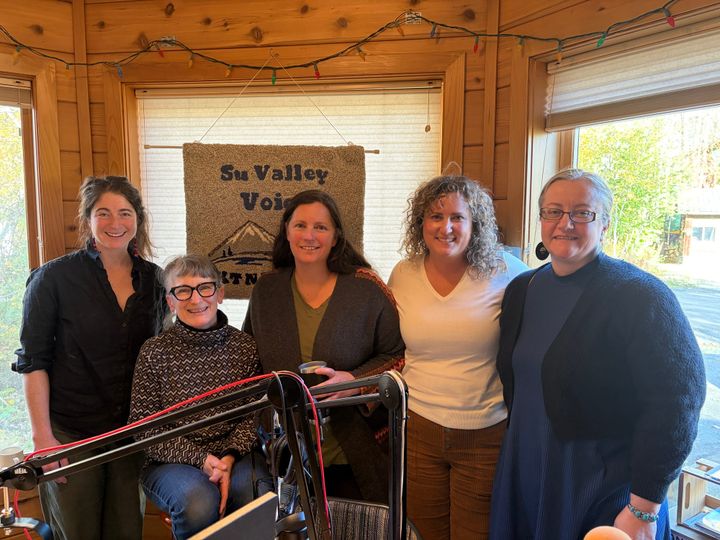
Su Valley Voice for September 17, 2026: Hello Community Season!
This week on Su Valley Voice - Goodbye Summer Tourist Season... Hello Community Season! We'll discussing the many ways our community comes back together during the cooler, longer and darker months. From meetings to events to other gatherings, the community is hardly asleep.
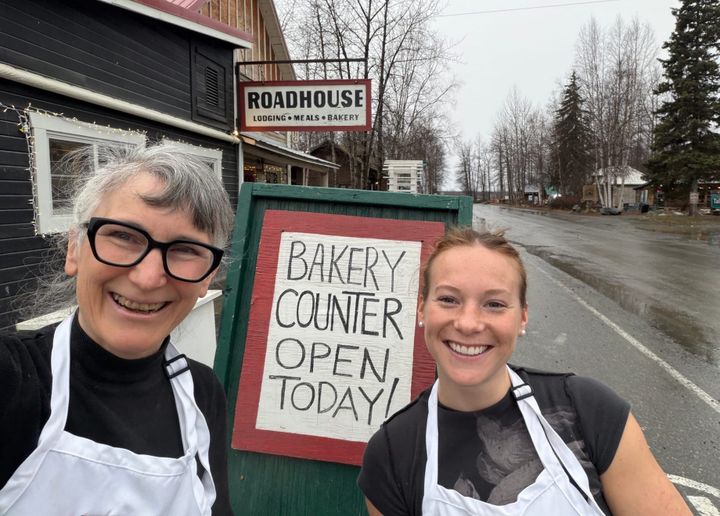
Talkeetna Roadhouse Is Changing Hands After 30 Years
The Talkeetna Roadhouse is changing hands at the end of the month. To celebrate 30 years of donning
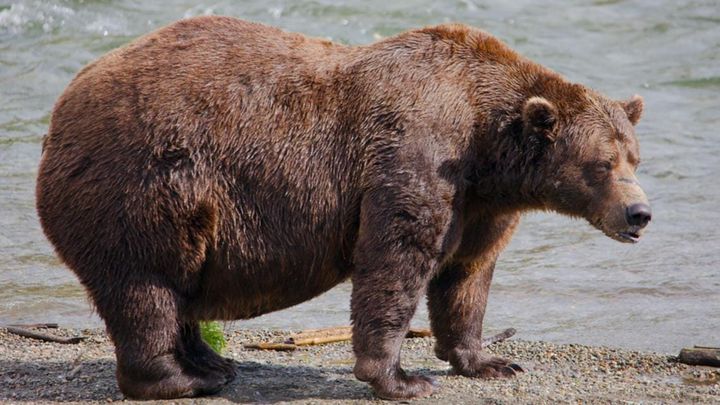
Alaska Celebrates its Fattest Bears During Fat Bear Week
During a summer feeding frenzy, the brown bears in Katmai National Park can grow to an enormous size.
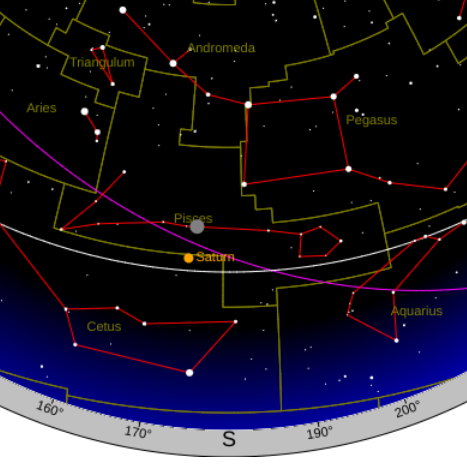
StarDate Susitna 9-20-26, by Kathleen Fleming
Dark skies are back, and so is StarDate Susitna. Kathleen Fleming will talk about the Fall Equinox, which is coming up on Tuesday the 22nd, as well as where to look for several planets visible in the mornings and evenings, when the clouds part.