



Radio Astronomy in a nutshell - Presentation in Talkeetna on April 26th
Astronomers have long known that many celestial events in the universe can not be seen. At least, not seen in any kind of visible light. But there are ways to

Astronomers have long known that many celestial events in the universe can not be seen. At least, not seen in any kind
of visible light. But there are ways to see the non-visible events, and one way to do this uses what’s called a radio telescope.
Image courtesy of NRAO/AUI
Listen to full story: [audio:https://ktna.org/wp-content/uploads/2012/04/1EVLA-3.59.mp3|titles=1EVLA-3.59]
Celestial objects can emit electromagnetic wavelengths that travel the galaxies, and astronomers at the National Radio Astronomy Observatory have learned how to capture and interpret the significance of the signals. Using what’s called a Radio Telescopes, they can record electromagnetic signals traveling from stars billions of light years away.
One of the major Radio Telescopes in the world is the Very Large Array, located near Socorro, New Mexico. The Very Large Array is composed of 28 Large Dishes, each measuring 25 meters across, or about the size of a 5 story building. The dishes are arranged in a “Y” shape, each arm of the Y measures 13 miles long. Last year, the Very Large Array completed a major upgrade that took ten years to in the making, and was rededicated as the Expanded Very Large Array, or EVLA.
Electrical Engineer Steven Durand is the Manager of the Electrical Division of the EVLA, and he’s in Talkeetna to share the intrigue of searching the skies for signals from space.
quote 1
The upgrades have made the EVLA 20 times more accurate. It takes 4 to 6 hours to collect enough data, so the 28 dishes must stay focused on one point in space, despite the constant movement of the earth. The constant adjustments that compensate for the earth’s rotation are compensated by mechanics that can adjust the dishes, in unison, up to 10 times a second. Durand says the more accurate the telescope, the further astronomers can penetrate into the origins of the universe.
quote 2
Because the light we see from stars is light that has been traveling for billions of years in some cases, looking into distant stars is really like looking into the past. When the VLA was originally built, they were able to measure the elements of stars from 4 billion years ago. The newly upgraded VLA can measure stars twice that old, giving astronomers a better picture of the early universe, and the processes involved in new star creation. Durand says a big part of understanding star life-cycles is based in math.
quote 3
Steven Durand will share images captured by the Expanded Very Large Array and discuss the wired side of astronomical science on Thursday, April 26th at 7 pm.
Read More

Alaska State Parks Updates Existing Reservation System
Alaska State Parks is transitioning to a new reservation system at the end of this month. Public use
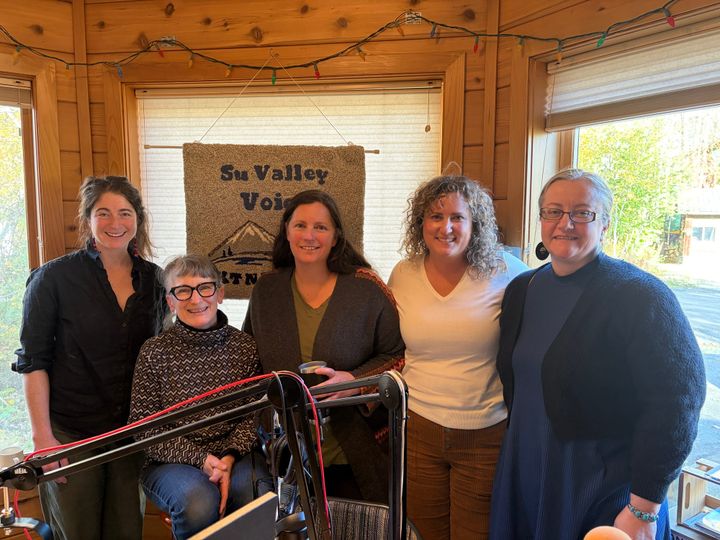
Su Valley Voice for September 17, 2026: Hello Community Season!
This week on Su Valley Voice - Goodbye Summer Tourist Season... Hello Community Season! We'll discussing the many ways our community comes back together during the cooler, longer and darker months. From meetings to events to other gatherings, the community is hardly asleep.

Talkeetna Roadhouse Is Changing Hands After 30 Years
The Talkeetna Roadhouse is changing hands at the end of the month. To celebrate 30 years of donning
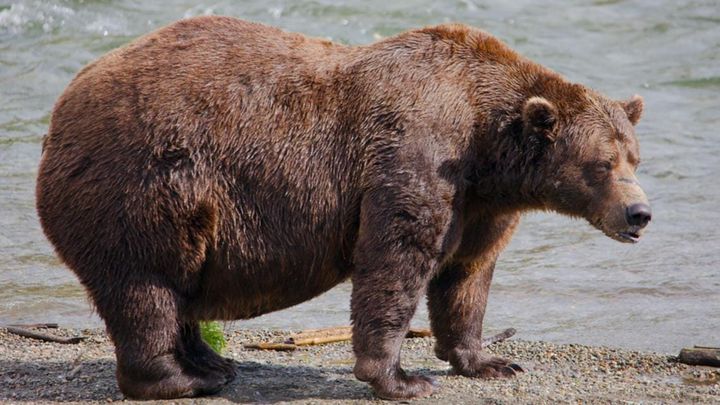
Alaska Celebrates its Fattest Bears During Fat Bear Week
During a summer feeding frenzy, the brown bears in Katmai National Park can grow to an enormous size.