



Rusty Tussock Moth caterpillars reported eating up blueberry patches, but it's probably temporary
As blueberry picking season approaches, some Northern Susitna Valley residents have noted with alarm that many of the plants that should be producing fruit are instead lacking not only berries,
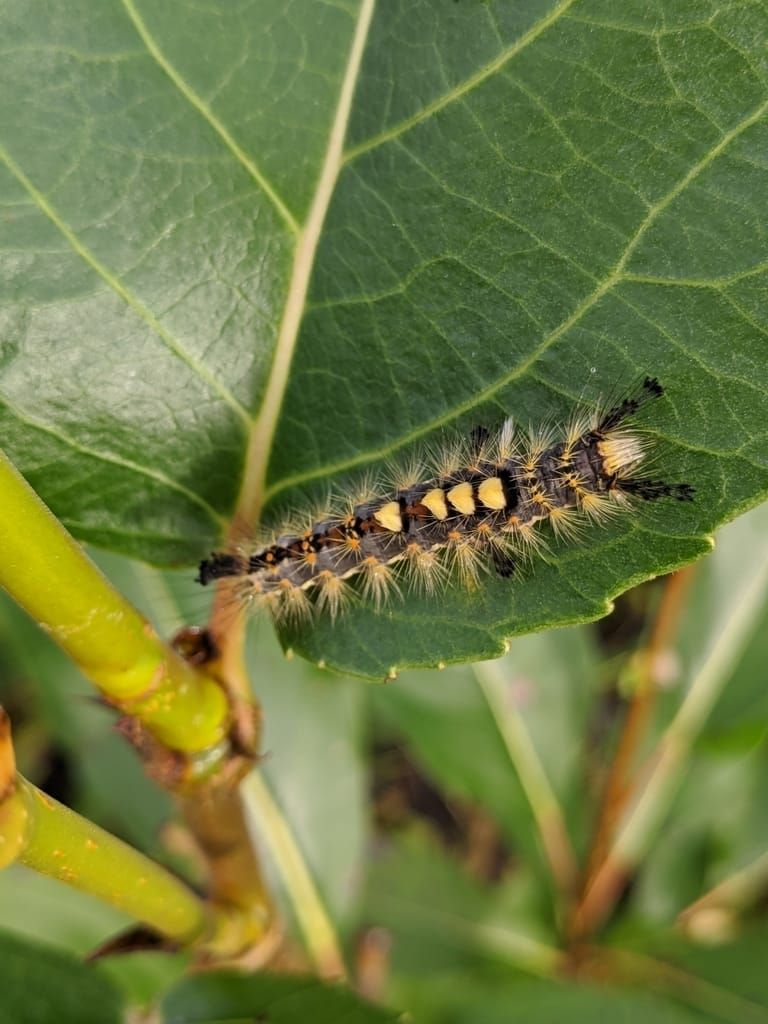
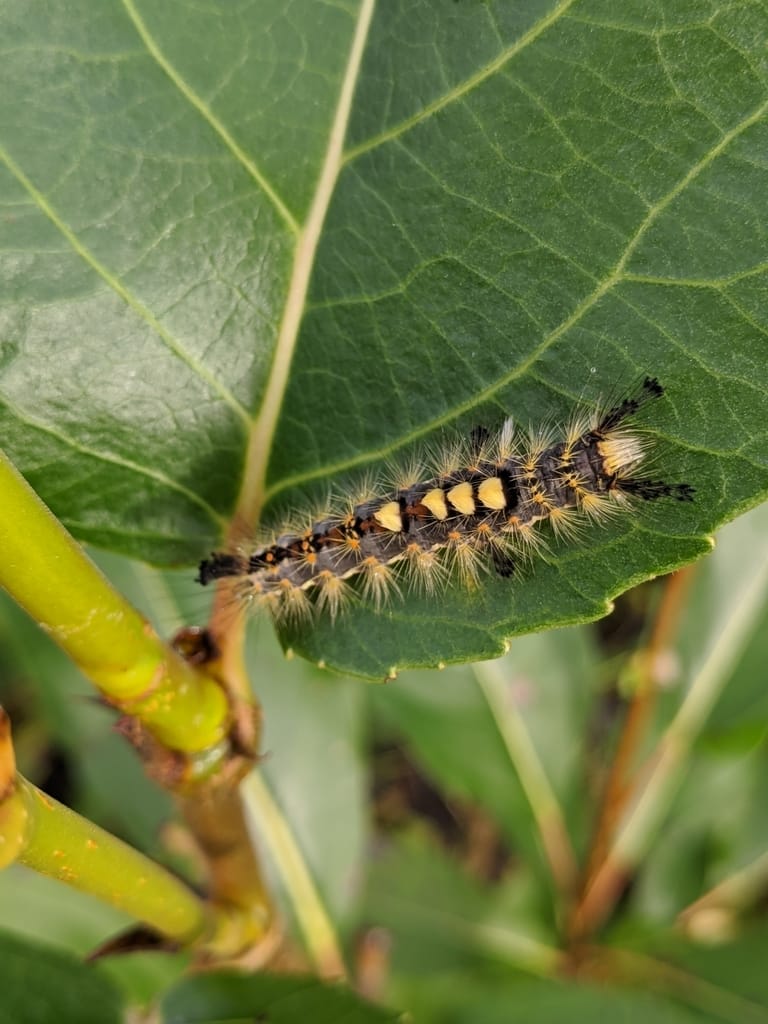
As blueberry picking season approaches, some Northern Susitna Valley residents have noted with alarm that many of the plants that should be producing fruit are instead lacking not only berries, but also their leaves. It turns out a particular breed of caterpillar is the likely culprit.
You know an Alaskan really likes you if they tell you where their blueberry picking spot is. This year, though, some locals have been reporting that places that they would normally expect to be full of bushes almost ready for the harvest are quite barren.
Multiple listeners have contacted us at KTNA to say that Rusty Tussock Moth caterpillars have eaten up large areas of blueberries and other plants in the Denali State Park area. The moth larvae eat blueberries, alder, and other local flora as they prepare to enter their cocoons.
While the damage can appear devastating, Alex Wenninger with the University of Alaska Cooperative Extension Service says the loss of berry harvest is often temporary.
“There was an outbreak of a couple other defoliating moths–not this species, different species. But again, they affected blueberries. And a lot of people had reported that they just looked dead for two years. And then, once those caterpillars had broken out of their outbreak cycle, those blueberries came back just fine.”
One of the key terms is “outbreak cycle.” Rusty Tussock Moth caterpillars are around every year, just not always in such large numbers. Wenninger says she can’t describe exactly why outbreaks occur when and where they do, and that there are a number of unknowns about this specific moth species.
Wenninger says the Rusty Tussock Moth life cycle begins as eggs that hatch in the spring.
“They emerge in the spring as the caterpillar, and then they’re feeding on plants until they’re large enough in size to pupate.”
The caterpillars are quite hairy, and have tufts of tan hairs on their backs resembling tussocks of grass. Touching the hairs of the caterpillar can cause skin irritation in some people, so Wenninger advises using caution in a heavy Rusty Tussock Moth year.
“Really, it’s recommended that nobody handle them or be petting them. If people are trying to find berries in areas that do have a lot of caterpillars, they may want to wear long pants and long sleeves to try to avoid contact with those hairs.”
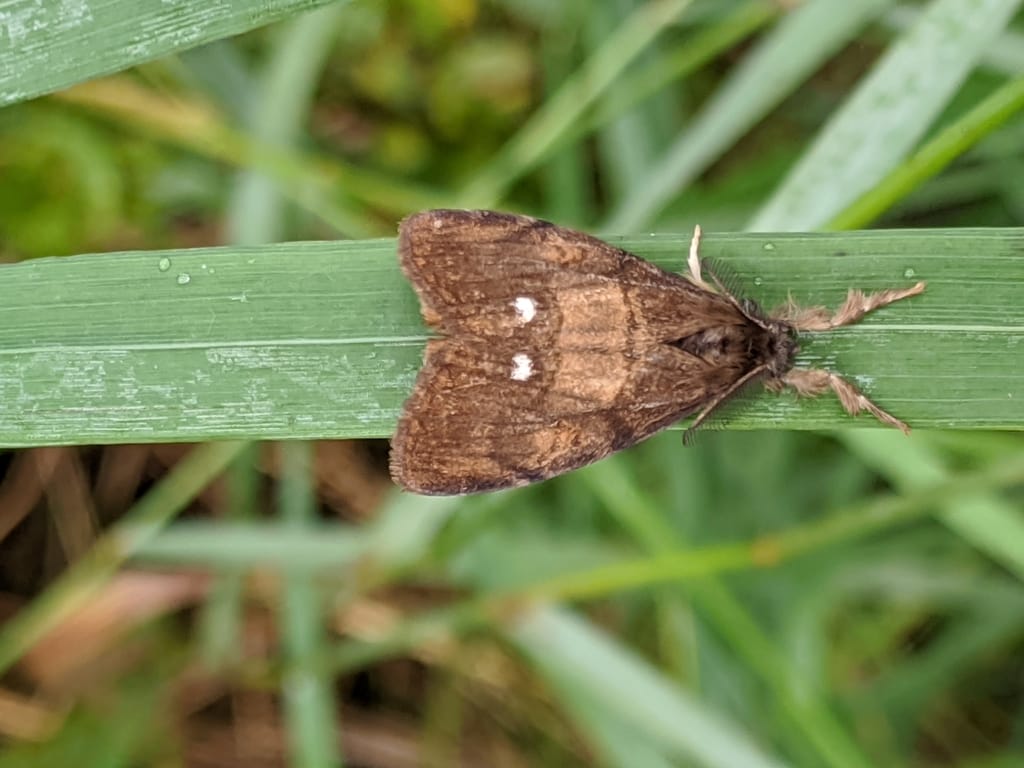
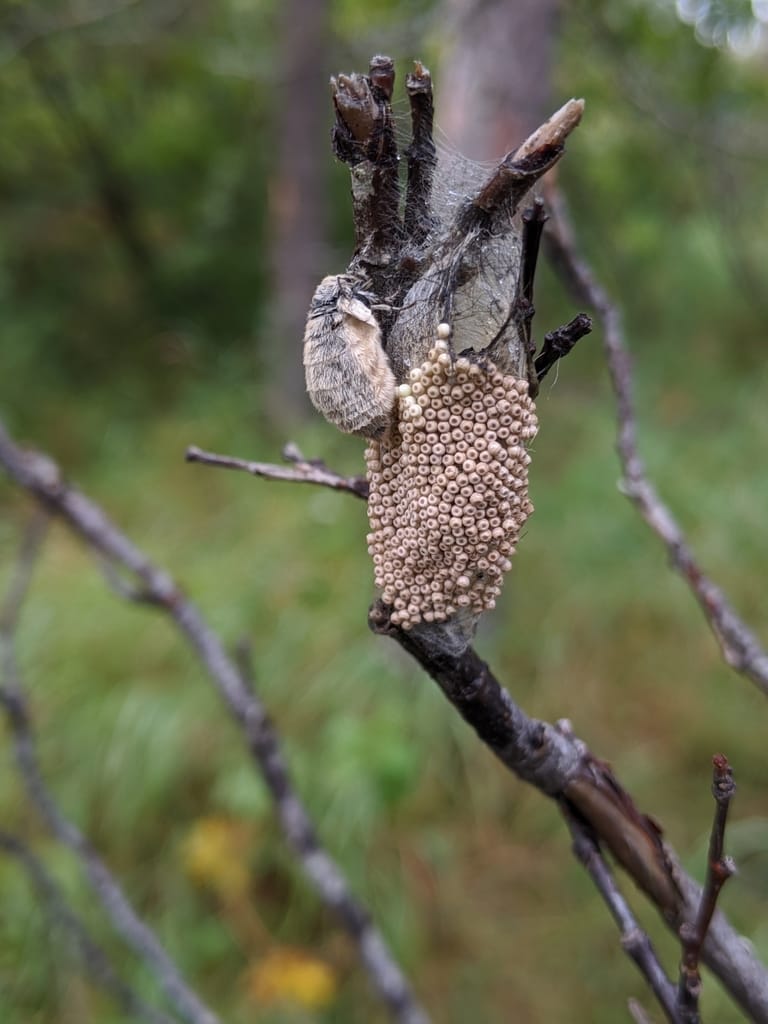
The caterpillars will soon enter their cocoons, which typically happens in early August. After a few weeks, they will emerge as moths. Even as moths, there are some characteristics of the species that are somewhat unusual. While the males have the large wings that are normally associated with moths, Wenninger says the females look very different.
“The females are more of a tan to gray color, and they don’t have those big wings like we might expect from a moth. Most people, if they saw them, might not even know that they were a moth. They do technically have wings, but they’ve been reduced down to these small pads, and they can’t even use them to fly.”
Read More

Fall Membership Drive
We are excited for this years fall membership drive and look forward to engaging with all of our listeners! This years Fall Membership Drive is from October 12th through October 16th.
Short-Term Erosion Mitigation Projects
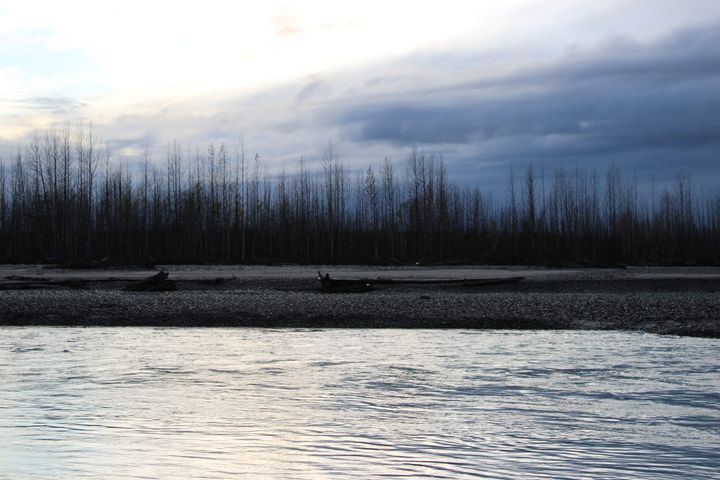
At last week’s stakeholder coordination meeting on Talkeetna’s ongoing erosion and flooding problem, they decided to
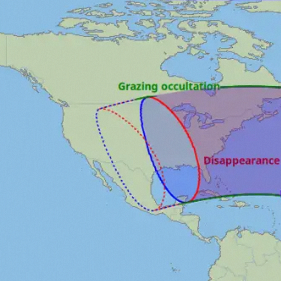
StarDate Susitna 10-4-26, by Kathleen Fleming
There are a number of interesting astronomical events coming up, mostly having to do with the Moon's social schedule.
Improvements on Mainstreet
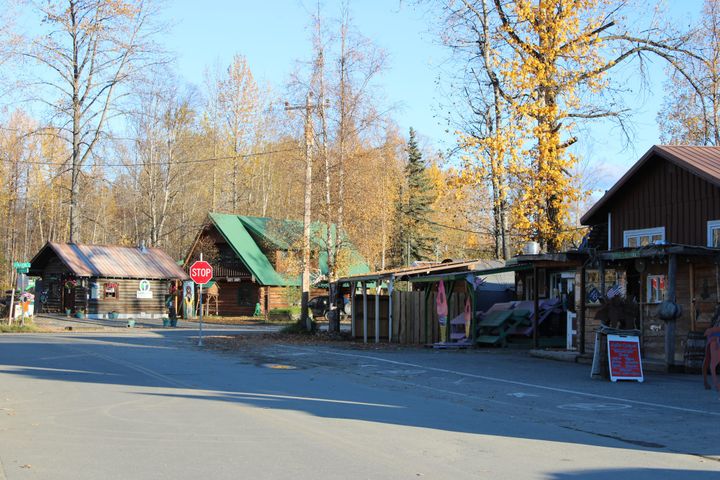
On September 30th, the Mainstreet Area Improvement Committee met for the first time since last April to review