



Sandhill Cranes Return to Trapper Creek
Sandhill cranes migrate in spring from the San Joaquin Valley up to Homer, where they rest for several days or weeks, depending on weather. Trapper Creek birder Kathy Ernst tracks
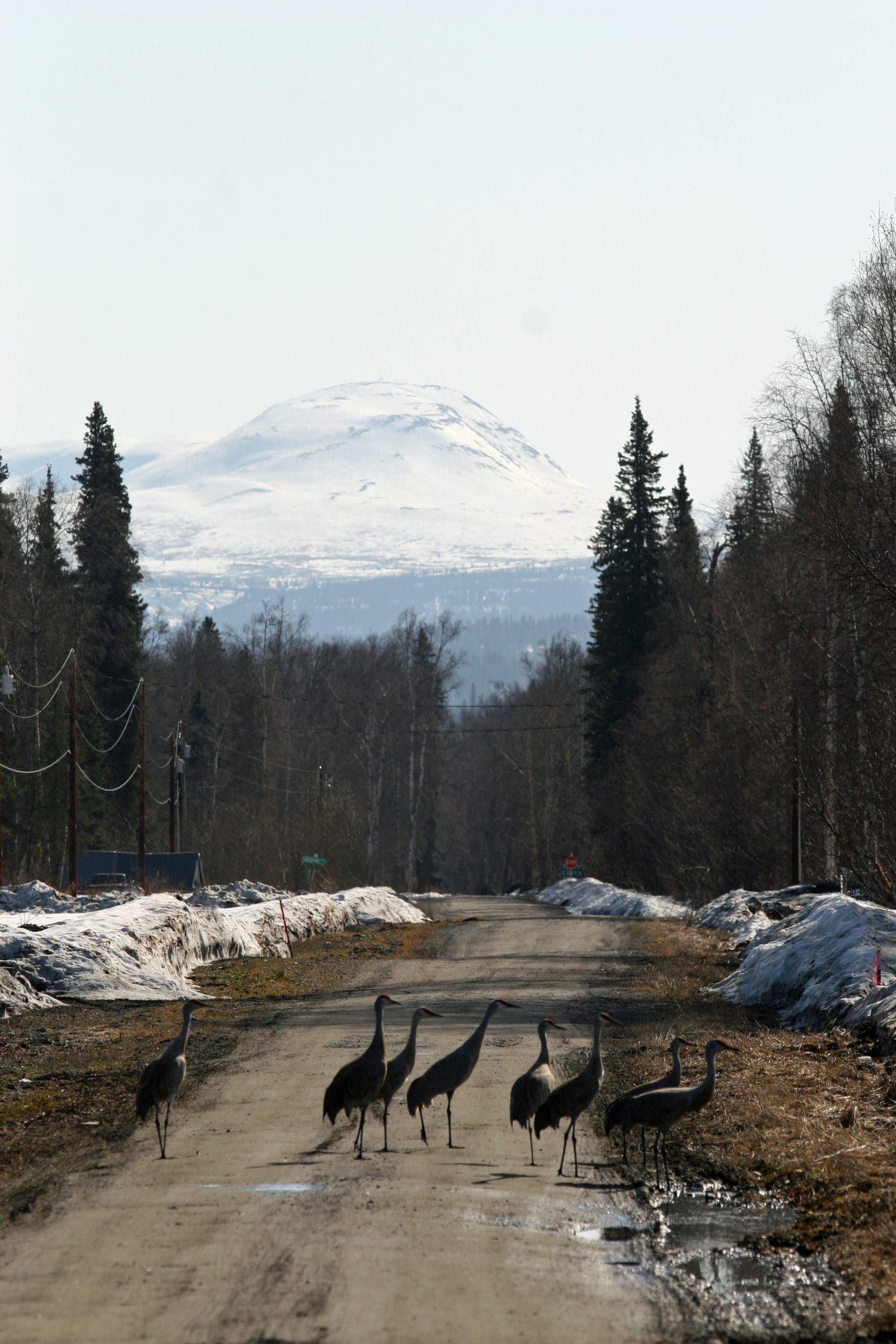
Sandhill cranes migrate in spring from the San Joaquin Valley up to Homer, where they rest for several days or weeks, depending on weather. Trapper Creek birder Kathy Ernst tracks the birds once they reach Alaska.
“Apparently the first cranes came into Homer on the 13th so this is part of a smaller group of cranes that are part of the Pacific flyway. They’re not the cranes that show up in Fairbanks. It’s a different group.”
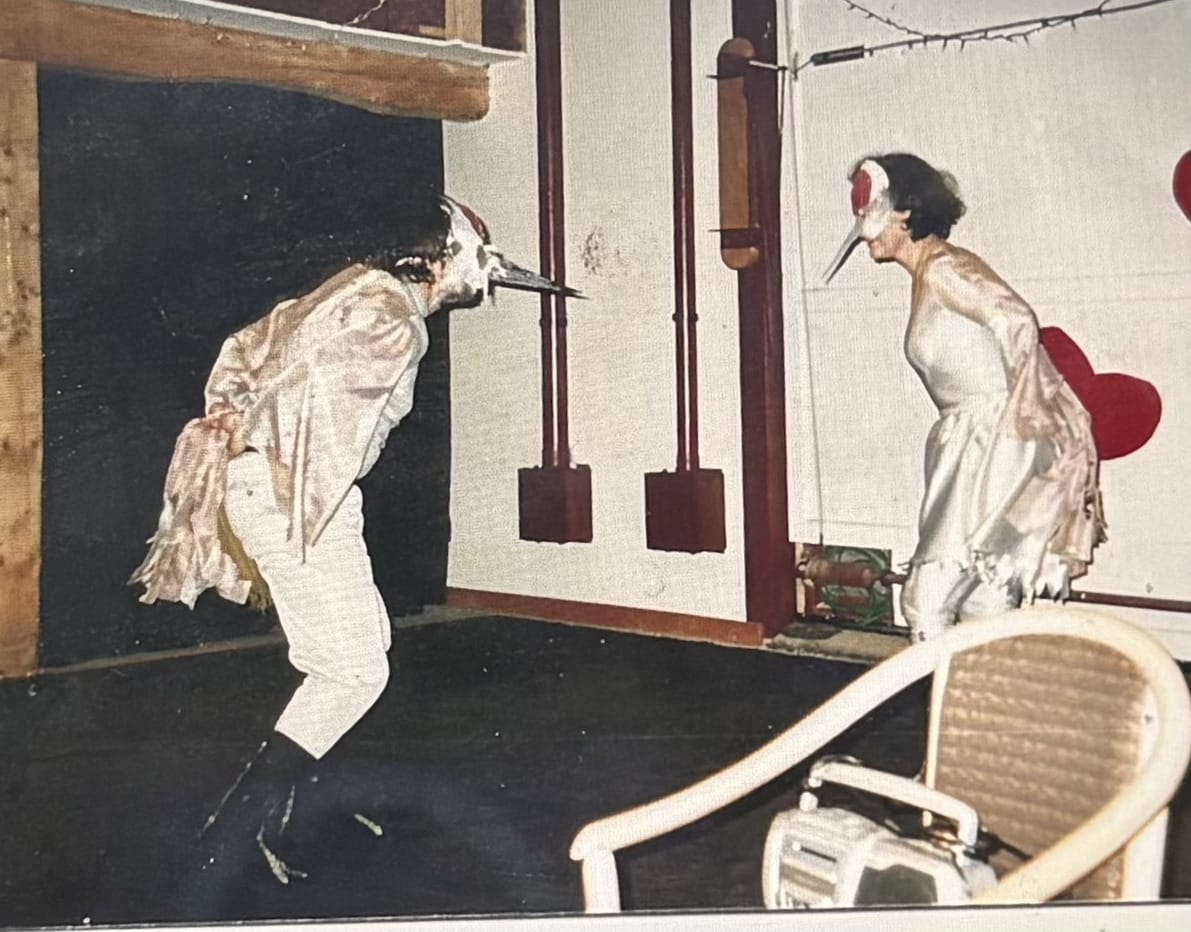
A small group of those cranes make their way to the Upper Susitna Valley each year. The first sandhill crane arrived at the Dale Saunders Crane Sanctuary in Trapper Creek on April 17 this year, which is right on time, according to Ernst. The cranes send a scout or two from Homer each spring to check on conditions in the field.
“Because the snow is deep and mushy in the field, I think maybe in another week we’re going to start seeing more and more coming in. But we’ve had the first scout so we can say the first one has shown up.”
Conditions this year may mean even more birds sharing the field with the cranes. When spring brings lots of rain, the field fills with standing water, inviting a number of different species. Ernst recalls the year that the Great Land Trust visited the site prior to accepting it from Dale Saunders.
“There was standing water on the field. There was a flock of swans out there. There were pintail ducks swirling around. There were the geese, several different kinds of geese. It was a wonderful show and then the shore birds too. I don’t know that we’ve ever had that kind of show again, but we could this year because of all the water out there. You know it froze and the water is not going to soak into the ground for a while.”
The first cranes arrived at Dale Saunders’ Trapper Creek farm in 1959. He seeded the field with barley as a crop that unintentionally attracted the cranes. It continues to be seeded every year. About 300 to 350 sandhill cranes arrive every spring to dance and mate in the field. Ernst says they nest and spend the nights in the forested swamps nearby.
Possibly some time this week, the sandhill cranes will return to the sanctuary, and they will not be quiet about it. Ernst says they can be heard two miles away and there are about 20 different known calls.
Visitors can see the birds dance in the field and listen to their calls from Little or Saunders Roads in Trapper Creek. The Great Land Trust asks that visitors stay on the roads to watch the cranes.
Read More
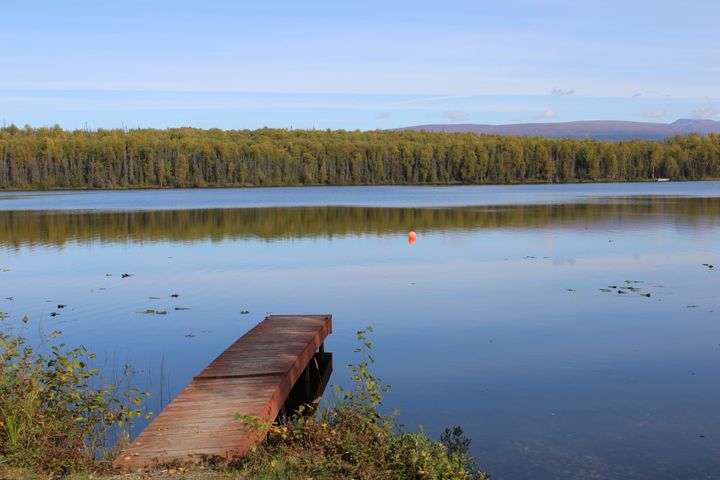
Residents worry that a proposed land transfer near Houston could open the door to data centers
Some community members fear the transfer could limit their ability to use the land and bring in unwanted forms of development.
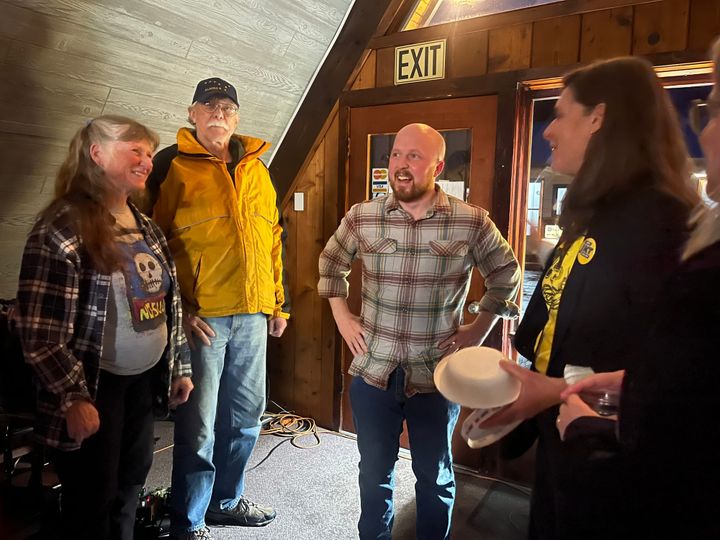
Gubernatorial Hopeful Visits Talkeetna for Meet & Greet
Gubernatorial candidate, Jonathan Kreiss-Tompkins, also known as JKT, visited Talkeetna recently on the campaign trail. He greeted

Susitna Writer's Voice - October 11th, 2026, Acceptance pt 1 by Ruth Wood and Kathy Trump
This is the first of a new 3-part Susitna Writer's Voice featuring a story written and read by Kathy Trump and Ruth Wood.

Su Valley Voice for October 15, 2026: Government Check-In
This week on Su Valley Voice, host Phillip Manning shared pre-recorded interviews with two candidates and shared information about the November 3 election.