



The Ecology of Glacial Rivers: Fish diversity
The first in a series from the Susitna Salmon Center: The Ecology of Glacial Rivers. This segment, by Jeff Davis, is about how habitat diversity in glacial rivers means more

The first in a series from the Susitna Salmon Center: The Ecology of Glacial Rivers. This segment, by Jeff Davis, is about how habitat diversity in glacial rivers means more species of fish.
It’s surprising for many people to learn that large glacial rivers, like the Susitna River, support over 20 species of fish. This includes all five species of salmon, Chinook (or king), sockeye (or red), coho (also known as silvers), pinks (or humpy), and chum (or dog) salmon. Three of these salmon species (coho, chum, and sockeye) spawn, and three species (Chinook, coho, and sockeye) rear for one to three years within the Susitna River. Other fish that are popular in the sport fishery, rainbow trout, Dolly Varden char, burbot, and grayling are also found in the Susitna and other glacial rivers. Less common resident fish species include longnose suckers, two whitefish species, blackfish, sculpin, stickleback, and lamprey. The Susitna River also supports an isolated southern population of Bering cisco.
The diversity of fish species in the Susitna River is due to the diversity of habitats which is caused by glaciers. Glaciers produce a large amount of sediment that changes water conditions and cause the stream channel to move back and forth across the floodplain and become braided, breaking apart into many different channels. Stream sediment produced by glaciers includes the very small silt or glacial flour resulting from rocks ground to dust by the moving glacier, slightly larger sand and gravel, cobbles, and very large boulders.
The glacial flour is light and is suspended and carried in the water giving the water the grey or turbid appearance. Turbidity is a measure of the amount of light reflected by glacial flour and other sediment in a river. Rivers that are highly turbid due to glacial flour allow very little light to reach the stream bed. However, glacial rivers also transport a large amount of sand, gravel, cobbles, and even boulders. When glacial rivers are steep, stream energy is high, and they are able to move a large amount of sediment. When the river slope decreases, stream energy decreases and less sediment can be moved. As sediment from the glaciers is transported downstream the stream slope decreases and the sediment is deposited. The buildup of deposited sediment fills the stream channel forcing the water to migrate across the floodplain often braiding and forming new channels. The abandoned channel may still contain some of the turbid glacial water, but as the main channel moves farther and farther away, water within the old channel is made up more and more by clear ground water. Because there is less water flowing in the old channel, the stream current declines, and streambank vegetation, willows and alders close in, and logs that fall into the stream remain in place providing cover for fish and creating pools. Eventually beavers move in building dams creating ponds and further altering habitats for fish in these old channels.
Through this process, glacial rivers, like the Susitna River, create a number of different channels with very different habitats. These include the main channel that is usually very fast flowing with turbid water and very few pools, side channels that still have very turbid water from the mainstem, but have more cover provided by bank vegetation and more slow water; newly abandoned channels or sloughs, that have more clear groundwater, logs, and pools; and old abandoned channels that have clear-still water, logs and overhanging bank vegetation, pools, and beaver ponds. This diversity of habitats in glacial rivers provides for a diverse fish community.
—————-
The Ecology of Alaska’s Glacial Rivers
Episode 1. Glacial rivers and diverse habitats, by Jeff Davis
Read More
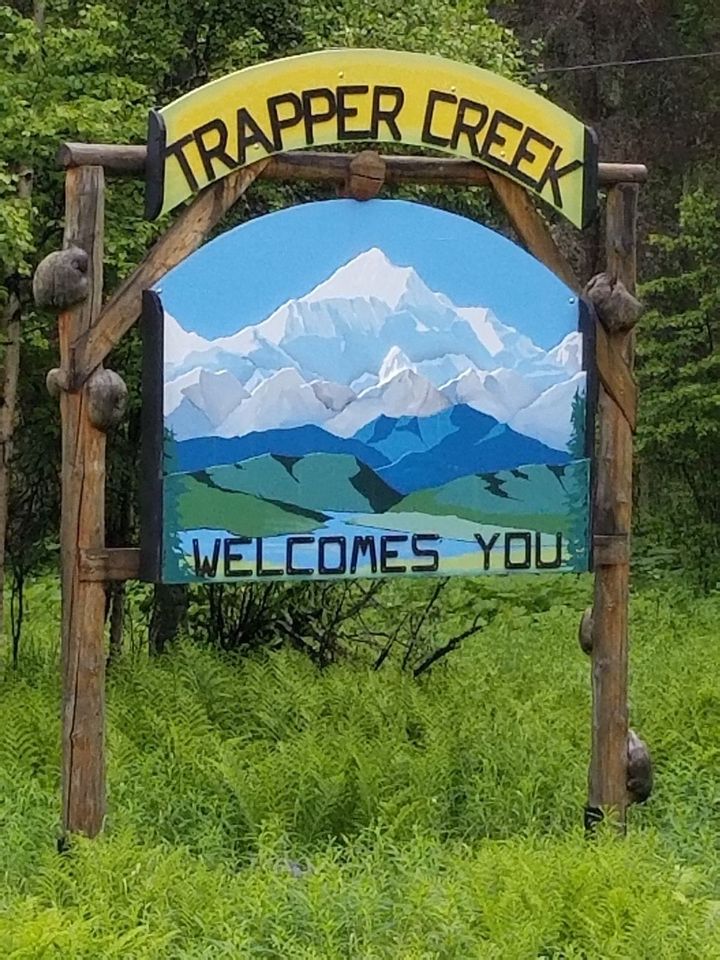
Trapper Creek Traffic Study Does Not Support Speed Reductions
Despite Monday’s fatal car accident in Trapper Creek, a recent D-O-T traffic study does not support slower speeds.

2026 Alaska Voters Guide
Early voting in the state’s November 2026 Midterm Election is underway in most of Alaska. Find out where to vote early.
Su Valley Voice for October 22, 2026: Willow Community
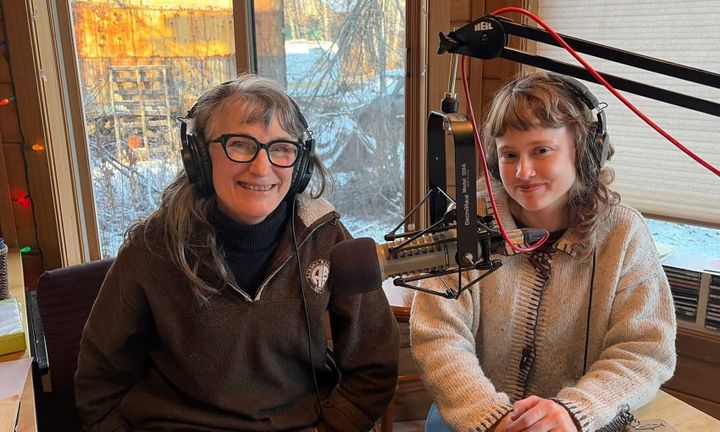
Host Trisha Costello talks with the Willow Library, the Willow Community Emergency Response Team, and KTNA News Producer Marion Chesterton.

Susitna Writer's Voice - October 19th, 2026, Acceptance pt 2 by Ruth Wood and Kathy Trump
This is the second of a new 3-part Susitna Writer's Voice featuring a story written and read by Kathy Trump and Ruth Wood.