



The Ecology of Glacial Rivers: Upland or backwater sloughs
The third of a new series from the Susitna Salmon Center: The Ecology of Glacial Rivers. This segment by Jeff Davis, and voiced by Katie Kierczynski, describes how suspended sediment

The third of a new series from the Susitna Salmon Center: The Ecology of Glacial Rivers. This segment by Jeff Davis, and voiced by Katie Kierczynski, describes how suspended sediment changes conditions in main channels of glacial rivers, and how fish have adapted to these changes.
Upland sloughs occur along the margins of glacial rivers and have physical conditions that are very different from the main channel. Upland sloughs develop as the main channel moves across the floodplain abandoning the old channel. Over time, the upstream end of the abandoned channel becomes vegetated and the slough becomes isolated from the mainstem. Turbid mainstem water no longer flows through these channels or only occasionally during flood conditions. Mainstem water backs up into the downstream ends. Water within these channels is clear because it is supplied by ground water from the river or surrounding watershed. Sediment in groundwater from the main channel is filtered from the water as it flows below the stream bed, emerging in upland sloughs. Groundwater from uplands, particularly wetland soils often have a large amount of iron, and flocs of orange deposits or orange covered rocks are seen where iron in the groundwater is exposed to oxygen.
Water velocities are usually very slow in upland sloughs and the channel bed is made of fine sediments. Low velocities and fine sediment allow for the growth of aquatic plants, and sunlight provides for alga growth, making upland sloughs productive habitats. Beavers often build dams across the mouths of upland sloughs increasing water depths, and decreasing water velocities. Water depths in sloughs is maintained by flows in the mainstem. High mainstem water keeps waters deep in sloughs; however, when water levels drop in the fall, sloughs can drain or become very shallow. Beaver dams help maintain water depths in sloughs even when flows in the main channel are low.
In addition to aquatic insects commonly found in rivers, zooplankton, which usually live in lakes, are often found in slow-water upland sloughs. The large amount of organic matter stored in sloughs can result in low amounts of oxygen and acidic waters.
Rearing juvenile coho salmon, sockeye salmon, and stickleback are most abundant in upland sloughs. Juvenile coho salmon can live in areas with low amounts of oxygen, which allows them to take advantage of these productive habitats. The low amount of oxygen limits fish that usually prey on juvenile coho salmon; rainbow trout and Dolly Varden char. Chinook salmon are rarely found in upland sloughs. Therefore the ability of coho salmon to use productive habitats with low amounts of dissolved oxygen allow them to avoid predators and competition with other fish.
The slow water habitat in upland sloughs also provides rearing habitat for river-type sockeye salmon. Sockeye salmon do not rely on flowing water to deliver prey items, but move about in schools through sloughs. The gills of sockeye salmon are also designed to filter zooplankton from the water column.
—————————
The Ecology of Alaska’s Glacial Rivers, Episode 3: Upland or backwater sloughs, by Jeff Davis, Susitna Salmon Center.
Read More
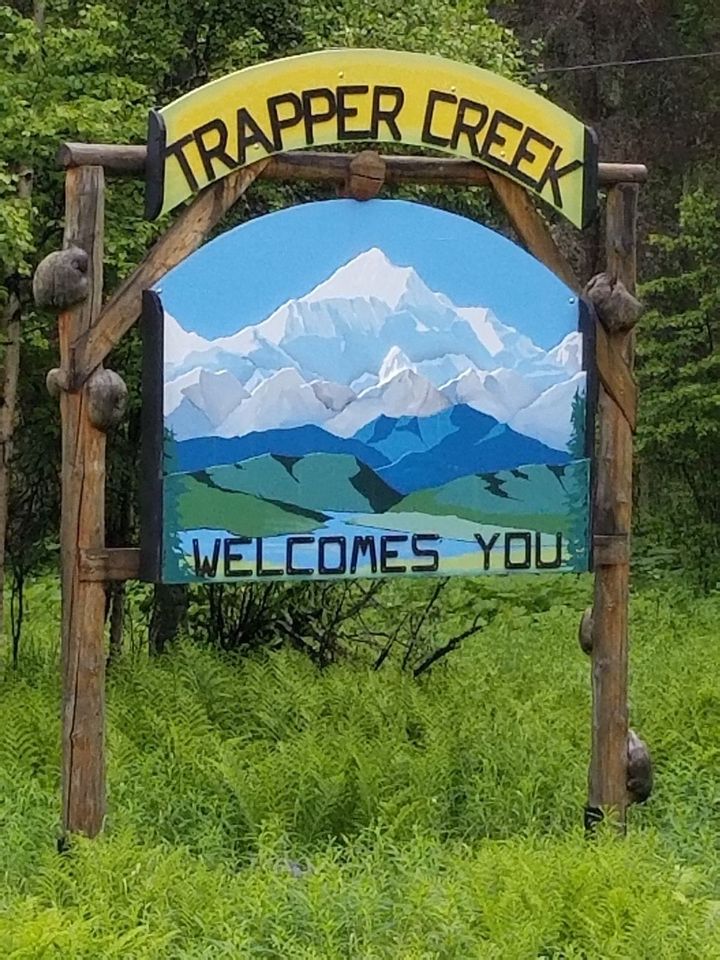
Trapper Creek Traffic Study Does Not Support Speed Reductions
Despite Monday’s fatal car accident in Trapper Creek, a recent D-O-T traffic study does not support slower speeds.

2026 Alaska Voters Guide
Early voting in the state’s November 2026 Midterm Election is underway in most of Alaska. Find out where to vote early.
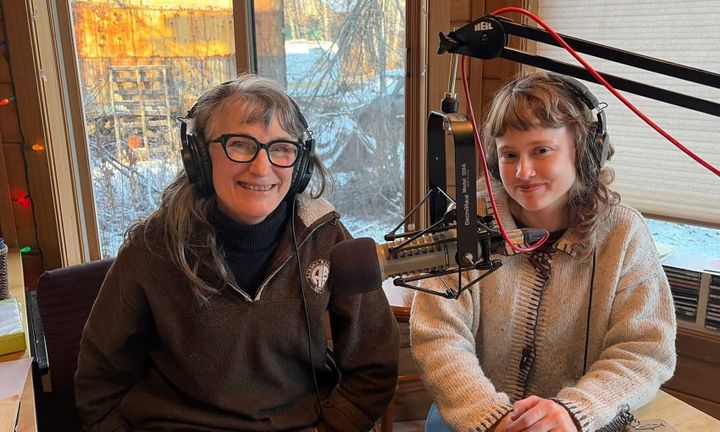
Su Valley Voice for October 22, 2026: Willow Community
Host Trisha Costello talks with the Willow Library, the Willow Community Emergency Response Team, and KTNA News Producer Marion Chesterton.
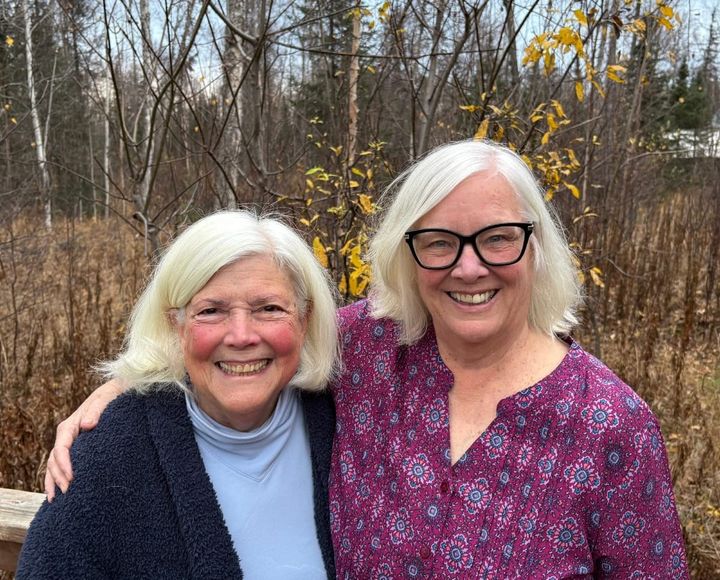
Susitna Writer's Voice - October 19th, 2026, Acceptance pt 2 by Ruth Wood and Kathy Trump
This is the second of a new 3-part Susitna Writer's Voice featuring a story written and read by Kathy Trump and Ruth Wood.