



Beaver Road Gravel Extraction Raises Questions
Talkeetna residents noticed a significant uptick in activity from the Beaver Road gravel pit over a recent weekend. The Borough-owned gravel pit opened in 1982. It has provided gravel for
Talkeetna residents noticed a significant uptick in activity from the Beaver Road gravel pit over a recent weekend.
The Borough-owned gravel pit opened in 1982. It has provided gravel for the airport, local commercial and residential sites, sewer lagoon, as well as road projects over its long life. Mat-Su Borough Natural Resource Manager Emerson Krueger says that the materials extraction site was exempted from the Borough’s conditional use permit requirements when they went into effect in 2006.
“Specifically the Beaver Road materials site is a pre-existing legal non-conforming use. The gravel pit was active in 1982 and it has been active since 1982. So the gravel pits that were active prior to the Borough creating a permit requirement were given an opportunity to file for this pre-existing legal non-conforming status, which basically allows the gravel pit to operate and requires it to comply with certain rules that are in Borough code.”
Alaska Demolition holds the contract for the recent gravel extraction in the amount of 2,574 cubic yards and is for seven months, beginning in March. Krueger states that the company hauled approximately 198 truckloads of about 13 cubic yards per load, the amount the company expected to extract over the whole season.
There is no volume limitation on the contract and the company could request an amendment to harvest more gravel from the site, particularly of certain types of materials. Alaska Demolition will be allowed to take up to 30 more cubic yards, or two to three more loads, as topper for their current work site. Future operations will depend on the contract amendment for additional material, which might have fixed volume amounts.
An additional concern is that the roads might have been damaged by the extraction and transport. Krueger says that if roads are damaged, Alaska Demolition will be responsible for repairing them.
When asked about the hours of operation of the recent work, Krueger notes that for smaller operations, there usually are not restrictions on days or times. However, that can be evaluated on a site-by-site basis.
“We’re reevaluating that practice at this location and are considering imposing the same kind of operational restrictions that you see for those larger operations just given the location of this materials site and the development that’s come up around it since it was opened.”
Though the gravel site has been in operation since the 1980s, Krueger notes that it is high on the list for geotechnical evaluation to determine how much material remains. There is no other Borough-owned land designated for materials extraction within 15 miles of the site.
Transportation remains the most costly aspect of construction operations that involve gravel. Without a local materials extraction site, construction and road maintenance would be challenging.
Read More
Erosion Mitigation Disaster Funding
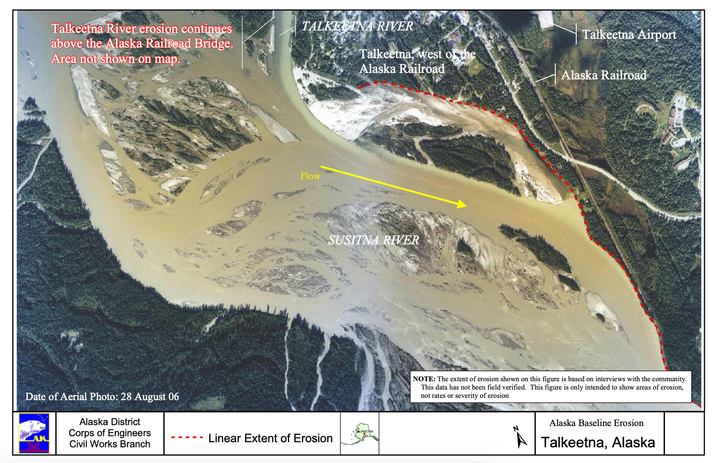
The Borough is expected to secure $2 million in federal funds for the planning and design of a comprehensive flood protection system in the downtown area.

Su Valley Voice: KTNA News Department
In this episode host Trisha Costello was joined by all three of the news producers that make up the KTNA News Department.
Here's how the Upper Susitna Valley's local precincts voted in statewide and district races
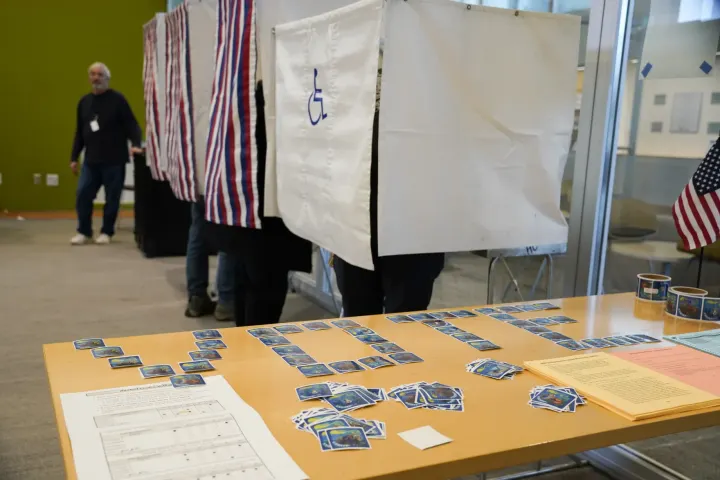
According to unofficial election results from the Alaska Division of Elections, the majority of Talkeetna residents voted in favor of Democrat Mary Peltola in the U.S. Senate Race

Six Minute Science 11-7-26, Episode 59 - Alaska Grown Grains
Alaska Grown grains like Sunshine Barley are helping to build Alaska's food resilience and provide economic opportunities for local Alaskans. UAF Institute for Agriculture, Natural Resources, and Extension Director Jodie Anderson talks about new grain varieties.