



Community members still have concerns about AIDEA’s scaled-down land transfer near Houston
DNR’s final finding included some changes to address resident’s concerns, including maintaining road and trail access.
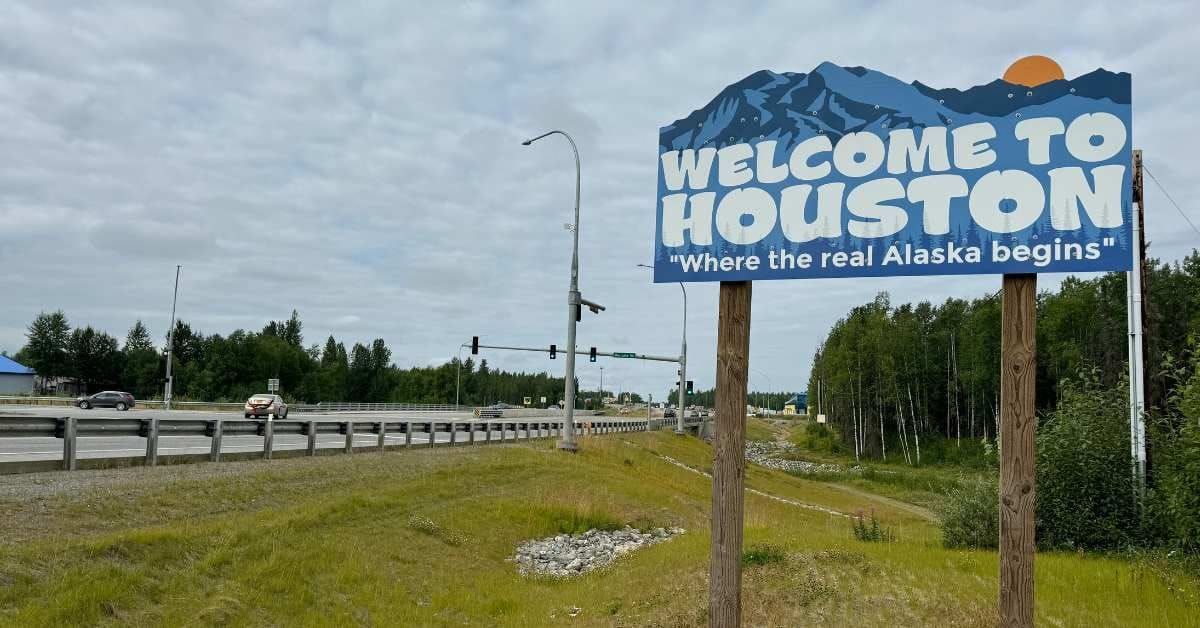
Last week, Alaska’s Department of Natural Resources released its final decision on a controversial land transfer near Houston. The state will give about 6,800 acres of land to the Alaska Industrial Development and Export Authority, or AIDEA, at no cost. That’s about a third of the nearly 20,000 acres of land the state had initially proposed for the transfer.
DNR’s final finding comes after extended public comments and includes several changes to address resident’s concerns, including maintaining road and trail access. But community members still have concerns about future development.
“The vast majority still see it as a taking without a real public process,” said Tryg Erickson, chairman of the Willow Area Community Organization. “A sense that what public process there was, and of course it probably complied with the law, the general consensus I believe was that it was just window dressing. They didn’t really care what the residents said.”
In DNR’s decision, AIDEA proposes to use the land for a multi-use energy and development district. According to the department’s preliminary decision, issued last summer, that could include data centers, logistics hubs, utility development and gravel extraction sites, among other types of industrial facilities.
DNR’s finding cites public comments as the reason for the scaled-down approval. Rachel Longacre, the department’s chief of operations, said they reduced the transfer “to preserve public access and recreation, to protect salmon streams, and wildlife corridors, and then also keeping that high-value timber sales in state ownership.”
Water quality and environmental impacts are still at the heart of Houston resident Ramey Smyth’s concerns.
“Where they downsized it is direct drainages into the Little Su, which is a salmon stream,” he said. “We have really good water in this area. Allegedly, heavy industry and data centers both affect watersheds and ground water.”
DNR received roughly 2,300 comments from community members during the public comment period. Most opposed the proposal, according to reporting from the Alaska Beacon. Several community councils in the area also formally opposed the transfer, as well as the Matanuska-Susitna Borough.
And the borough sent a letter to the state asking it to reconsider the transfer, suggesting new industrial development projects would be better suited for Point Mackenzie or in the West Susitna area.
The transfer has also gotten attention from state lawmakers. Last month, after the comment period closed, members of the Senate Resources Committee questions DNR Commissioner John Crowther about the plan’s vagueness, among other concerns.
State Sen. Cathy Giessel is an Anchorage Republican who chairs the committee. In a follow up interview, she said she wasn’t satisfied by the changes.
“It indicates to me that the Department of Natural Resources listened to the testimony at the Joint-Committee Meeting. That’s very encouraging,” she said.
“Nevertheless, this land use is still not being specifically described by AIDEA. It is still a blank check essentially to AIDEA, and the concern continues.”
AIDEA spokesperson Andrew Jensen said a reversionary clause means the public will still be able to weigh in as the process moves forward.
“Perhaps there’s not something that comes to the table that has the best economics or the best public support, and it goes back to DNR in that case,” he said. “So, I think the public is very well protected in this decision.”
A reconsideration provision was also added, allowing people to comment further.
Letters of reconsideration will be accepted until the end of the month and will cost commenters $200 per letter. DNR’s commissioner can either approve, deny or take no action on those requests. If the commissioner decides a reconsideration letter warrants further review, there will be a 10 day-period to do so.
Read More
Christiansen Lake Residents Brace for More Quarry Activity
Residents Received a Letter Informing Them of an Upcoming Material Sale at the Comsat Quarry
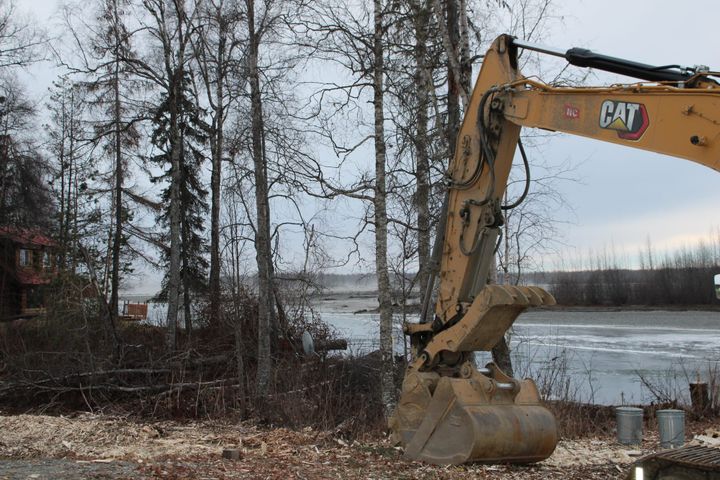
The State's new erosion mitigation project aims to protect the Spur Road from future flood events
This work will take place Monday through Sunday from 6 am to 6 pm until December 15th.

KTNA's Community Calendar
We’ve been making fixes to the community calendar based on your reports.
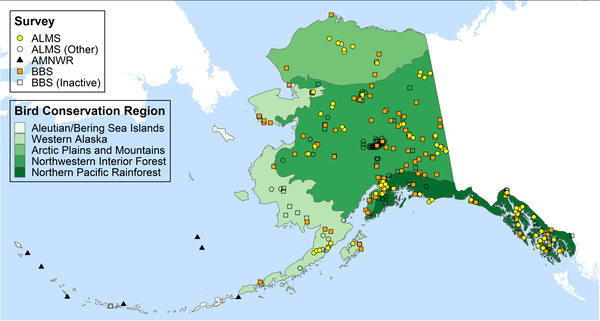
Six Minute Science 11-14-26, Episode 60 - Landbird Monitoring Survey
USGS Wildlife Biologist Rachel Richardson joins us this week to talk about the Alaska Landbird Monitoring Survey, a long-running, collaborative effort to fill in the data gaps about landbirds.