



Beetle-Killed Spruce Fuel Loads Shift
Spruce bark beetles were detected in southcentral Alaska in 2016. Since then, the beetle has been moving through the forest at a fast clip, killing white spruce and letting light

Spruce bark beetles were detected in southcentral Alaska in 2016. Since then, the beetle has been moving through the forest at a fast clip, killing white spruce and letting light into the forest floor.
Denali National Park Western Alaska Fire Management Program Fire Ecologist Sarah Stehn says spruce are part of a fire-adapted ecosystem.
“So spruce are a fire-adapted species and their needles contain volatile compounds. Live spruce also have naturally low fuel moisture throughout most of the summer, which contributes to their flammability.”
Spruce have varying degrees of flammability. And that depends on what stage of life or death they are in.
“So in what’s called the red phase, when you see dried red or orange needles on there, they may have lost some of their volatile compounds. And they’re still clinging to the branches. The red needles are very dry and susceptible to ignition by sparks or embers or direct fire impact. And then having those needles on the branches also may increase the likelihood of casting embers and fire spread.”
She says this can also be true with green spruces. But in the gray phase, the needles and some finer branches have shed, which rearranges where the fuels are.
“That reduces the surface area for ignitions and the likelihood of casting embers when a fire is there, but it also has allowed more sun and light to reach the forest floor and potentially contribute to the drying of the other fuel layers.”
Stehn says the fuel load on the forest floor can impact how easily firefighters can move through a site and how quickly a wildfire might be extinguished.
“Aerial resources, dumping water on a fire, may be less effective when there’s a lot of dead and downed material burning on the ground. And then firefighters themselves, of course, have a much harder time moving through sites to do their work in those landscapes and it’s more dangerous to them. So that affects the suppression and control tactics.”
Stehn says fire is a natural part of the succession of the forest. The spruce beetle is part of that succession. As the spruces in the Upper Susitna Valley shift through the gray phase, she says more light and resources will be available for young spruces to take root. And the cycle will begin all over again.
Read More
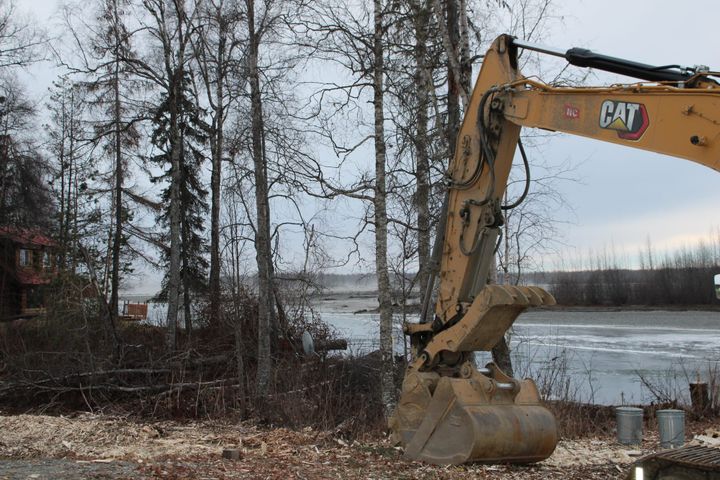
The State's new erosion mitigation project aims to protect the Spur Road from future flood events
This work will take place Monday through Sunday from 6 am to 6 pm until December 15th.

KTNA's Community Calendar
We’ve been making fixes to the community calendar based on your reports.
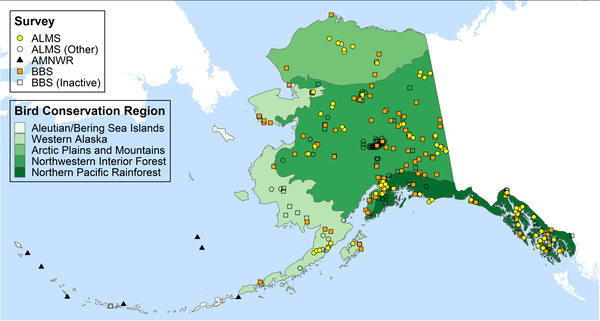
Six Minute Science 11-14-26, Episode 60 - Landbird Monitoring Survey
USGS Wildlife Biologist Rachel Richardson joins us this week to talk about the Alaska Landbird Monitoring Survey, a long-running, collaborative effort to fill in the data gaps about landbirds.

KTNA Android App Updated: Rebuilt with Rust, Now with Foldable and Tablet Support
A look at KTNA’s native Android rebuild, with improved listening and foldable and tablet layouts. The Android update is out now!