



Residents worry that a proposed land transfer near Houston could open the door to data centers
Some community members fear the transfer could limit their ability to use the land and bring in unwanted forms of development.
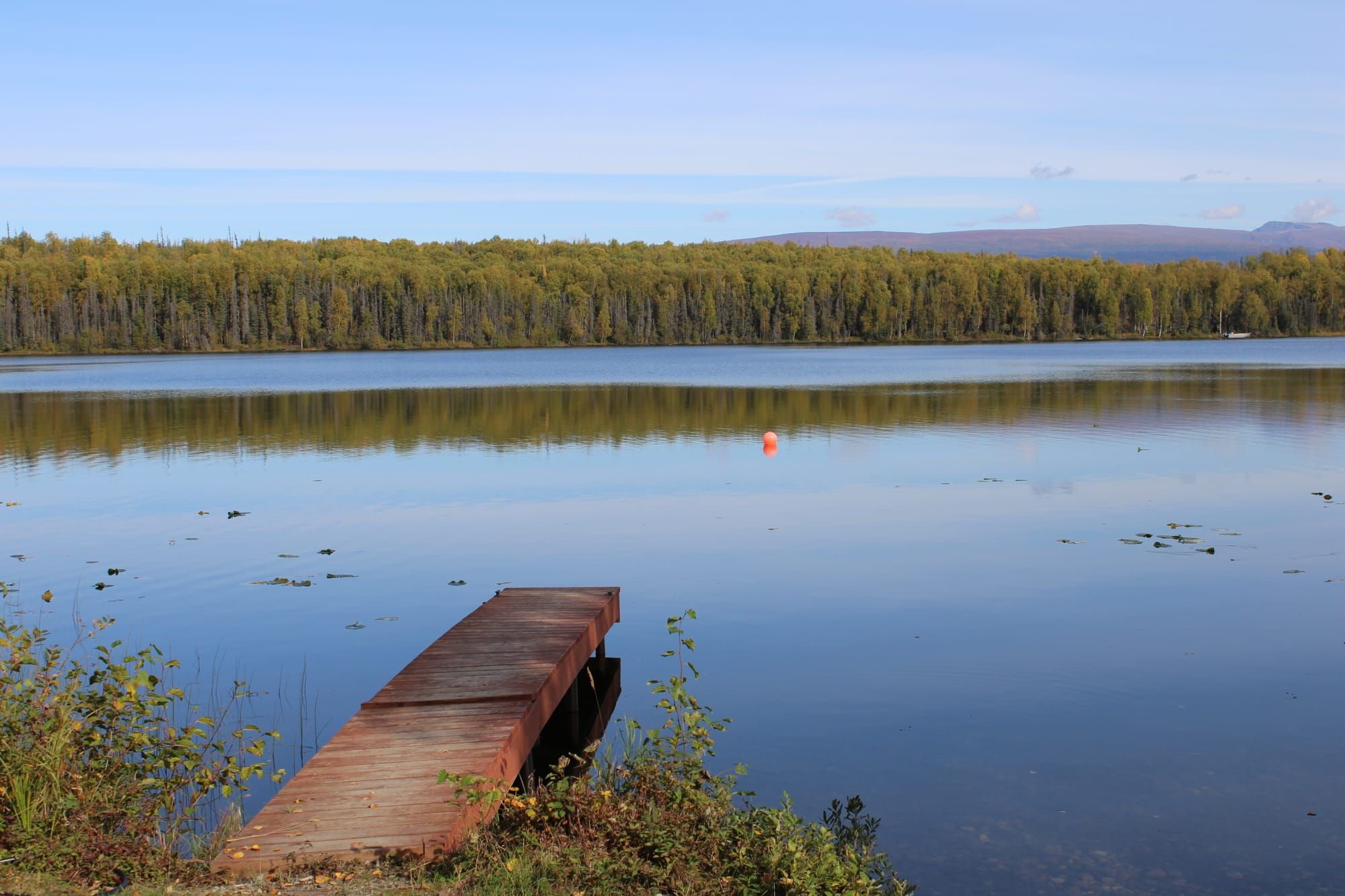
The Alaska Department of Natural Resources is reviewing public comments before determining whether nearly 20,000 acres of land near Houston should be transferred at no cost to the state’s industrial development agency. But the community uses much of that land for recreation, and some residents fear the transfer could open it up to data centers.
The state owns the land, which includes parcels in Houston, Meadow Lakes and Willow. According to DNR’s preliminary decision on the transfer, the Alaska Industrial Development and Export Authority wants to use the land for a multi-use industrial and energy development district.
Willow resident Ramey Smyth says his family has lived near the land and run dogs on it for generations. He says it’s also a good place for berry picking, snowmachining and hunting.
“We’ve had multiple families raised there,” he said. “My first memories are there 50 years ago, and then of course, my dad was there a decade before that.”
It’s unclear what the exact plans are. But under the proposal, the land would be transferred to AIDEA at no cost, and it would no longer be under DNR’s control. Possible uses include data centers, utility development and gravel extraction.
Some community members worry the transfer could bring in unwanted forms of development, harming the environment and residents’ access to water. Some have also criticized DNR and AIDEA for a lack of transparency and clarity surrounding the proposal.
Smyth lives on Zero Lake, where he and his neighbors have access to a pristine water source.
“We need air and water, which the data centers are scheduled to contaminate, and we don’t need a whole lot else honestly. We can find jobs in other fashions,” he said. “We have survived just fine.”
DNR’s preliminary decision says there are no existing water rights in the project area that would conflict with future operations.
Willow resident Tom Blair’s family has also lived on Zero Lake since his father bought a parcel there in 1980. He says he’s concerned about what will happen to the environment and recreational opportunities.
“We love this land, that’s why we’ve tried to defeat all this industrial development and let everyone come out here and enjoy it, not just us. This is Alaska’s land,” he said.
The Houston City Council and Meadow Lakes Community Council voted unanimously to oppose the transfer back in July, according to reporting from the Mat-Su Sentinel. The Willow Area Community Council, made up of residents from the area, also passed a resolution in September to send a letter to the Matanuska-Susitna Borough opposing the transfer.
Tryg Taylor is the chairman of the community council board.
“If there’s anybody who’s optimistic about this, I certainly haven’t heard from them,” he said.
He says the level of input community members have will change if the land is transferred from DNR to AIDEA because the agency won’t have to go through a public process to make decisions about the land.
“I think the range of opinion is that I haven't heard of it, or violently opposed,” he said. “Not to say there’s not someone somewhere that says, ‘Great, let’s turn this into a money-making prospect.”
State Representative Kevin McCabe, whose district includes the area, says there’s a need for economic development in Alaska, and AIDEA does a good job at securing more revenue. That said, he said he will support his constituents in whatever usage they hope to see for the land.
“It does nothing except sit there,” he said. “It doesn’t make any money for Houston. It doesn’t do anything except for the benefit of maybe a couple thousand residents in the area that use it for hiking and those kinds of things. So we just have to decide what’s the highest and best use, and that’s up to the community, not me”
DNR’s Chief of Operations, Rachel Longacre, says the agency is reviewing public comments and working on a decision, although that timeline is unclear.
While comments may not change the outcome of the decision, Longacre says it may change what the decision looks like, including consideration for trails or types of development.
AIDEA did not respond to KTNA’s requests for comment.
Read More
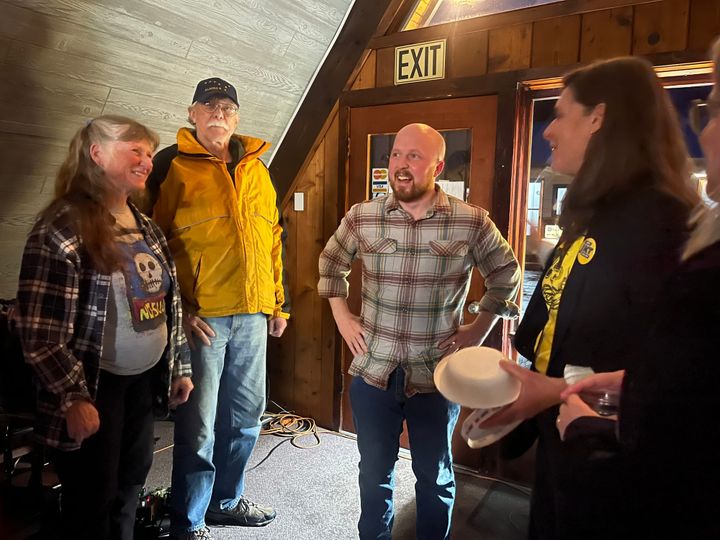
Gubernatorial Hopeful Visits Talkeetna for Meet & Greet
Gubernatorial candidate, Jonathan Kreiss-Tompkins, also known as JKT, visited Talkeetna recently on the campaign trail. He greeted
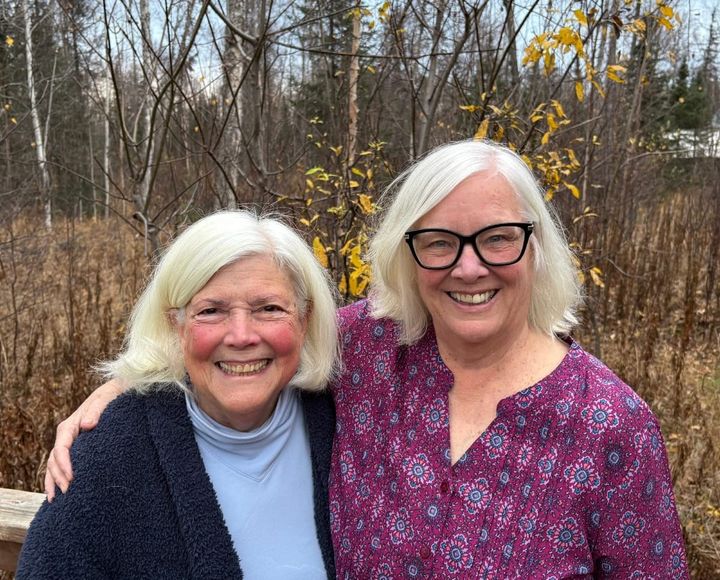
Susitna Writer's Voice - October 11th, 2026, Acceptance pt 1 by Ruth Wood and Kathy Trump
This is the first of a new 3-part Susitna Writer's Voice featuring a story written and read by Kathy Trump and Ruth Wood.

Su Valley Voice for October 15, 2026: Government Check-In
This week on Su Valley Voice, host Phillip Manning shared pre-recorded interviews with two candidates and shared information about the November 3 election.

Bean-A-Fit Dishes Out Almost Four Decades of Philanthropy
The Talkeetna Bean-A-Fit Crew has been dishing out soup at a community meal for almost 40