


Fish and Game says roadside "Hot-Spot" hunts will reduce moose-vehicle collisions
As snow begins to pile up from recent storms, more moose are likely to be found walking in roads around the Mat-Su valley. The increased likelihood of vehicle-moose collisions has
As snow begins to pile up from recent storms, more moose are likely to be found walking in roads around the Mat-Su valley. The increased likelihood of vehicle-moose collisions has the Alaska Department of Fish and Game offering hunters a chance to fill their freezers. KTNA’s Lorien Nettleton has more about Fish and Games “Hot-Spot” hunting permits, that let hunters harvest moose from the side of the road.
While encounters with moose this year are so-far below the record number of 455 moose killed last year, we are on-pace for the average annual total of 280 moose killed per year.
To reduce the numbers of moose on the roads, the Alaska department of Fish and Game has opened hunts along road corridors that see high numbers of moose fatalities. Moose Biologist Olin Albertson says opening special hunts in areas of high moose density are designed to protect the public.
In Alaska, most regulations require hunters to harvest their moose a quarter-mile from the road or more. This winter, a number of alarmed residents have called the Troopers to report people hunting from the roadside. Albertson says it’s always a good idea to report hunting violations, but also wants people to be aware of the permitted hunting by the roadside.
This is the second year specialized hot-spot permits have been issued for roadside moose hunts. Last year, there were over 400 applicants for the hot spot permit, and Fish and Game issued 50 permits. This year, hunters applied for only 200 permits, and so far 100 have been issued.
The Mat-Su moose biologists most rent population survey was in 2011. That year, the moose population was around 8-thousand, which is above the ideal population of 6,500 to 7,500. After the winter of 2011-2012, Albertson says the high number of moose killed by automobiles or trains reduced the population, and the population was further reduced by deep snows that prevented many moose, primarily calves, from getting enough to eat. Fish and Game was unable to make an accurate population count after last winter, and the effect of high moose fatalities on the overall population is still uncertain.
This year, though, the moose densities in the valley have not been as high. Low snowfall has allowed the moose to stay at higher elevations so far this year. But recent snowfalls likely mean the moose will more and more be seen in low-lying areas.
Read More
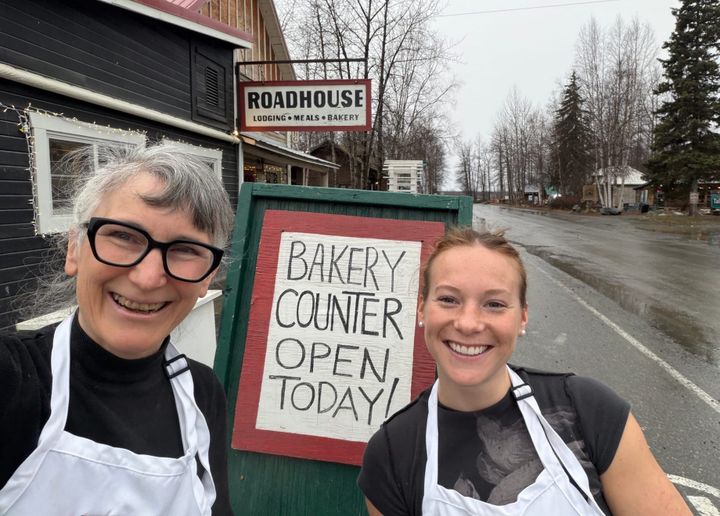
Talkeetna Roadhouse Is Changing Hands After 30 Years
The Talkeetna Roadhouse is changing hands at the end of the month. To celebrate 30 years of donning
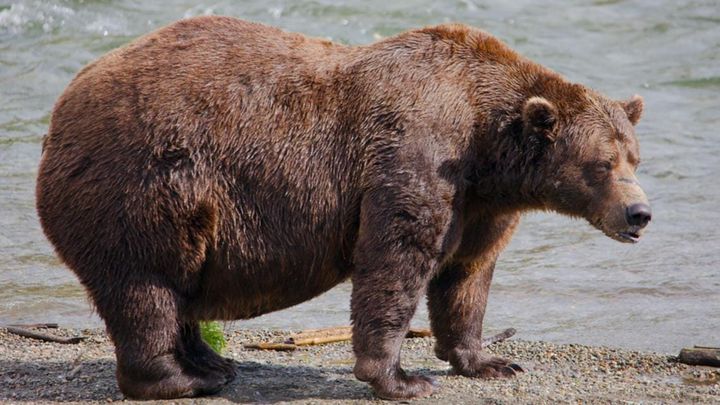
Alaska Celebrates its Fattest Bears During Fat Bear Week
During a summer feeding frenzy, the brown bears in Katmai National Park can grow to an enormous size.
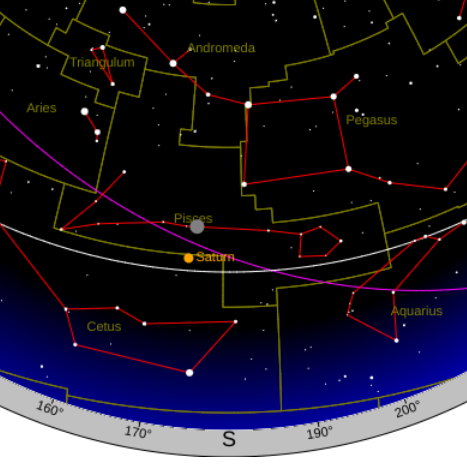
StarDate Susitna 9-20-26, by Kathleen Fleming
Dark skies are back, and so is StarDate Susitna. Kathleen Fleming will talk about the Fall Equinox, which is coming up on Tuesday the 22nd, as well as where to look for several planets visible in the mornings and evenings, when the clouds part.
MEA Has Solutions for Decreasing Gas in Short Term
Gas production was the topic at a State Joint Resources Committee meeting last week.