



Microplastics Found in Southcentral Water
One hundred percent of water samples from the Southcentral region contain microplastics, according to a recent study by the Alaska Environment Research and Policy Center. Microplastics are tiny fragments that
One hundred percent of water samples from the Southcentral region contain microplastics, according to a recent study by the Alaska Environment Research and Policy Center.
Microplastics are tiny fragments that are less than five millimeters in size. Most are microscopic.
The State Director of the Center Dyani (Dee-AH-nee) Chapman, says the research included 39 sample locations in Southcentral Alaska, with Nancy Lake being the farthest north. Three kitchen taps were also sampled as part of the research. Every sample, including the taps, contained microplastics.
“And that’s pretty consistent with surveys that have been done in other locations as well. Tap water often tests positive for microplastics, some places more than others.”
Chapman says the bottom line is that Alaska has a microplastics problem. Textile microfibers were the most common microplastics found in the samples and can get into the waterways when we wash our clothes.
The study only identified the types and concentrations of microplastics, not where they originated. The study also compared concentrations of the pollutants in urban and rural areas.
“The more urban sources actually had a slightly lower average concentration than the less urban sources. There was a lot of variability there. But what that tells us is that we have both local sources of plastic pollution and then we also have microplastics that are coming in from other places.”
Microplastics can significantly impact wildlife. They contain endocrine disruptors and attract pollutants like DDT, heavy metals, and others. Those pollutants bioaccumulate and are carried up the food chain, which includes humans.
Plastics can enter waterways not only as garbage, but also by treated wastewater, landfill leachate, and through the air. Chapman says residents can sometimes choose products with less plastic, but product manufacturers also have a responsibility to address the issue.
Read More
Trapper Creek Traffic Study Does Not Support Speed Reductions
Despite Monday’s fatal car accident in Trapper Creek, a recent D-O-T traffic study does not support slower speeds.

2026 Alaska Voters Guide
Early voting in the state’s November 2026 Midterm Election is underway in most of Alaska. Find out where to vote early.
Su Valley Voice for October 22, 2026: Willow Community
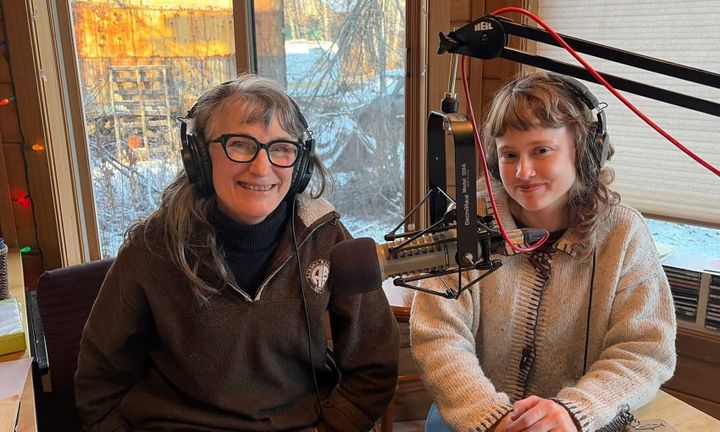
Host Trisha Costello talks with the Willow Library, the Willow Community Emergency Response Team, and KTNA News Producer Marion Chesterton.

Susitna Writer's Voice - October 19th, 2026, Acceptance pt 2 by Ruth Wood and Kathy Trump
This is the second of a new 3-part Susitna Writer's Voice featuring a story written and read by Kathy Trump and Ruth Wood.