


Railbelt Reliability Council Brings Utilities Together
The Railbelt Reliability Council, or RRC, is a new Energy Reliability Organization required by the Alaska State Legislature to ensure regional grid resilience and lower costs for customers. The RRC
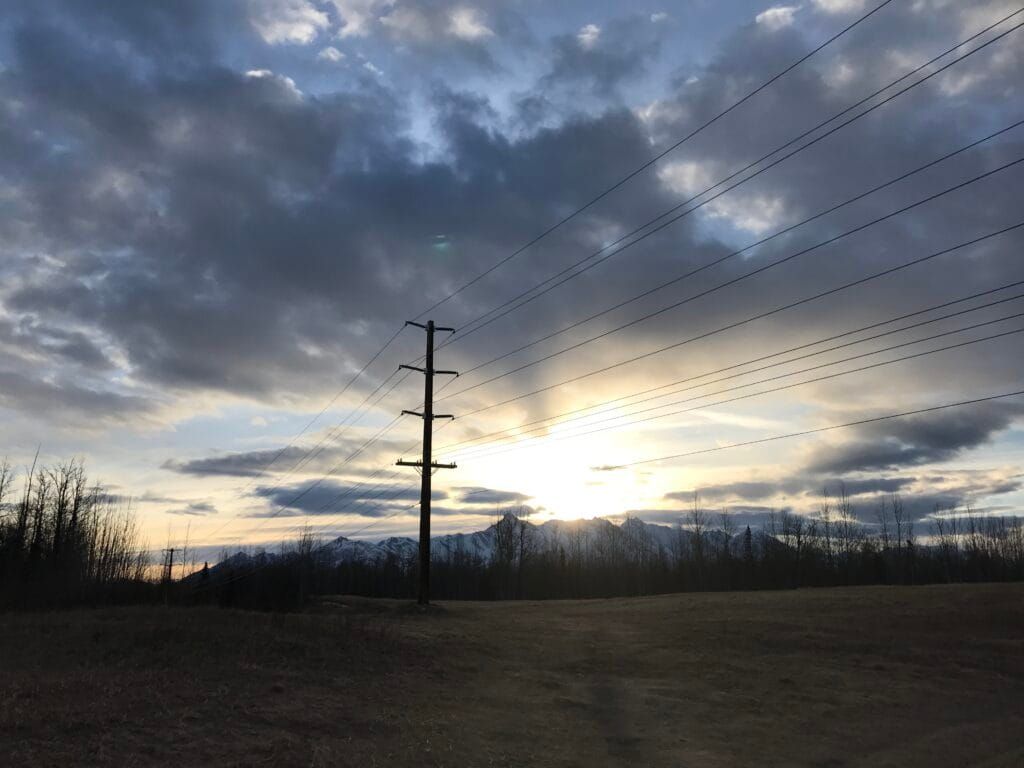
The Railbelt Reliability Council, or RRC, is a new Energy Reliability Organization required by the Alaska State Legislature to ensure regional grid resilience and lower costs for customers. The RRC began its work in January after getting approval from the Regulatory Commission of Alaska.
The Matanuska Electric Association, or MEA, along with the other railbelt utilities, independent power producers, and other stakeholders, are part of the new council. In addition to developing and enforcing standards, the RRC also is responsible for integrated resource planning for the grid as a whole. But the goal is for the RRC to be invisible. Joel Groves, President of Alaska Independent Power Producers Association and Chair of the new RRC explains.
“The goal here is that, you know certainly with regard to the standards, that the ERO or the RRC will pretty much be invisible. And the public will only really become aware of those, hopefully never, when there’s a problem. When things go right, the lights are on, everybody’s happy and we’re invisible. And I think that’s what we aspire to be.”
The RRC will provide more than just power reliability. By working with other utilities, the larger group will also be able to recognize economies of scale and pool resources, particularly with bigger projects. There also will be more opportunities for stakeholders. Julie Estey, MEA Senior Director of External Affairs and Strategic Initiatives and Secretary of the Board of the RRC explains.
“As we’re looking forward as a new transition for what the future of energy looks like, we need to be able to operate as a large system where we’re all making decisions that impact each other and we’re making the most efficient use of our members’ money and our ratepayers’ money. That’s what the ultimate goal of this is. Yes, we want to make sure that the grid is reliable and operational, but really we’re stewards of our members’ money and we want to make sure that’s done most efficiently and with the greatest good. It’s not just about money. There’s a lot of other elements that we want to think about from conservation and sustainability but also energy security. There’s a wide spectrum of issues that are important to our members and this will help us bring all of those to bear in planning.”
The Council is not free and each utility determines how those costs will be passed down to customers. In an effort to be transparent with the costs, MEA will include the RRA as a line item in their bill and it will be a per kilowatt hour charge. Estey notes that it will likely be about one to two dollars on each bill for most residential users.
Image courtesy of Matanuska Electric Association
Read More
Erosion Mitigation Disaster Funding
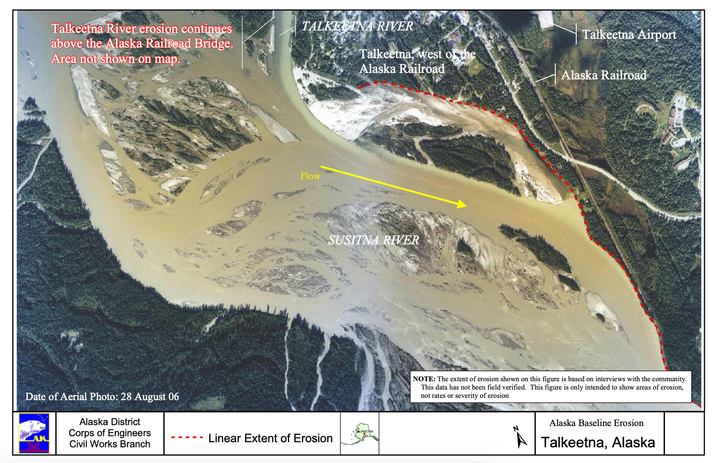
The Borough is expected to secure $2 million in federal funds for the planning and design of a comprehensive flood protection system in the downtown area.
Su Valley Voice: KTNA News Department
In this episode host Trisha Costello was joined by all three of the news producers that make up the KTNA News Department.
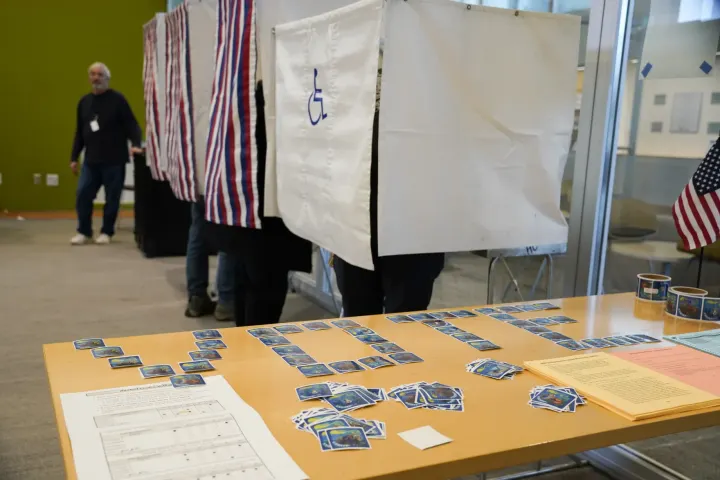
Here's how the Upper Susitna Valley's local precincts voted in statewide and district races
According to unofficial election results from the Alaska Division of Elections, the majority of Talkeetna residents voted in favor of Democrat Mary Peltola in the U.S. Senate Race
Six Minute Science 11-7-26, Episode 59 - Alaska Grown Grains
Alaska Grown grains like Sunshine Barley are helping to build Alaska's food resilience and provide economic opportunities for local Alaskans. UAF Institute for Agriculture, Natural Resources, and Extension Director Jodie Anderson talks about new grain varieties.