



Sandhill Cranes Arrive in Trapper Creek
Sandhill cranes have already arrived at the Dale Saunders Crane Sanctuary, a bit ahead of schedule, before their long journey to California.
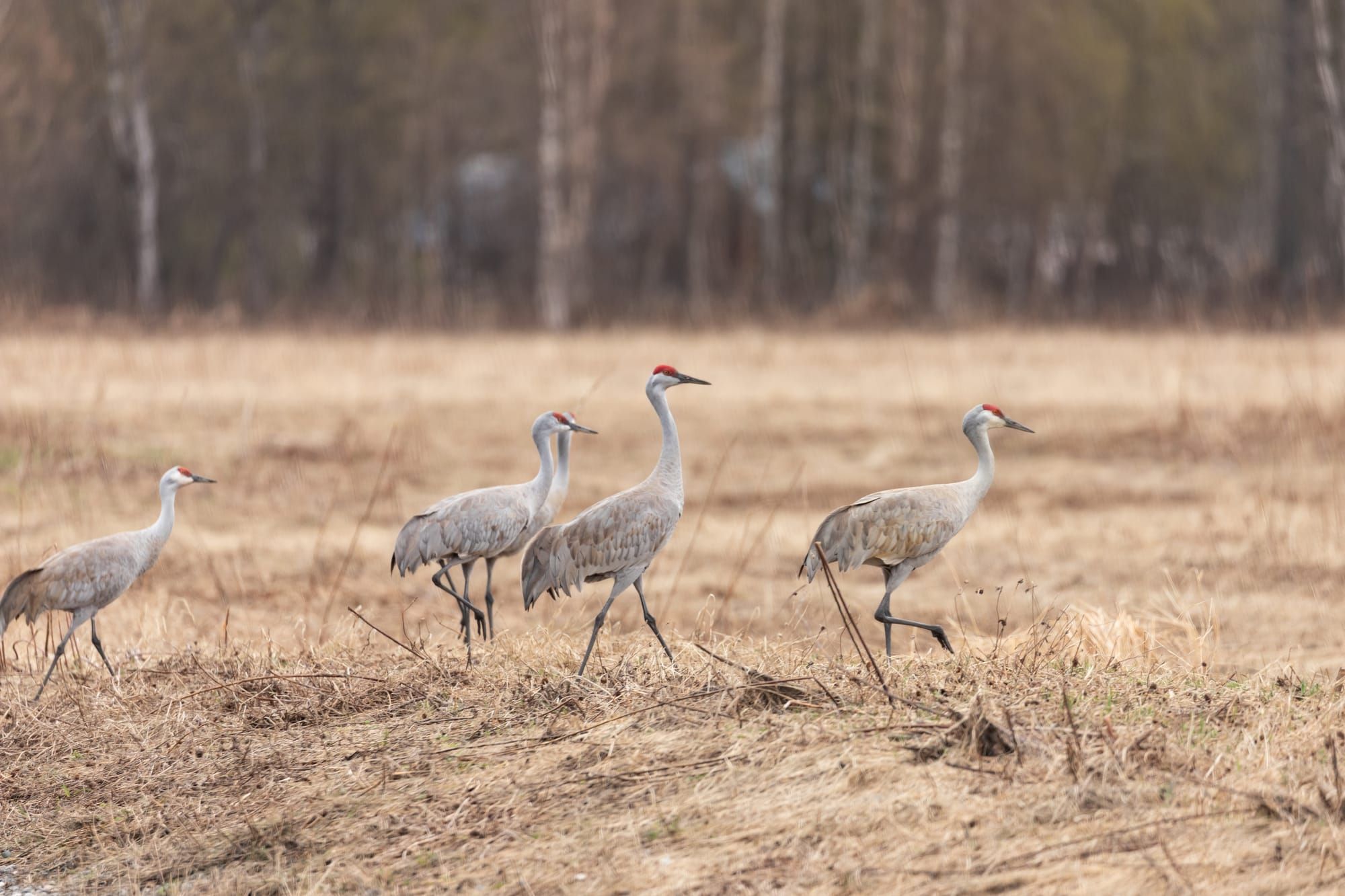
Sandhill cranes are reliable visitors in spring and fall at the Dale Saunders Crane Sanctuary in Trapper Creek. According to Great Land Trust Executive Director Ellen Kazary (Kuh-Zaree), the Sanctuary was donated to the Trust in the early 2000s by local Dale Saunders.
“It was officially completed in 2007. That’s when the property came into Great Land Trust’s ownership.”
Saunders started planting barley one year and the cranes just appeared. And every year since, Saunders, and now the Trust plants barley on some of the 80 acres of land.
Hailing from the San Joaquin Valley, these sandhill cranes are part of a smaller migrating group that make their way every spring up the Pacific Coast to land in Homer. From there, the group splits. About 200 to 300 cranes land at Saunders Field each spring.
“You know, it’s right around Earth Day, which always seems appropriate.”
They dance, mate, and then disperse to nest and raise their young.
The cranes gather again in fall to prepare for their migration back to the San Joaquin Valley for winter. The fall skies in Trapper Creek are full of noisy cranes practicing for their long flight. Small groups run test flights. Increasing chatter means take-off is soon.
The Great Land Trust began their annual barley mowing last week and to their surprise, some cranes had already arrived for their fall meet-up. The birds usually arrive in early September.
Kazary says the birds like to be in the field after mowing for a couple reasons.
“Of course, the cranes love that because barley is almost as tall as them and they want to be able to see. So as soon as the fields get mowed, they’re out there both enjoying the barley, but enjoying the safety of being in their large groups and being able to see.”
Kazary says the Sanctuary is one place where migratory bird numbers are increasing.
“The numbers are going up and the juveniles are going up. So it’s actually one of the rare stories you hear of migratory bird populations increasing. Yes, it’s working.”
Local farm manager, Bruce Richardson, increased the barley planted from 10 to 15 acres this year to accommodate the increased number of cranes.
Kazary says the Sanctuary will soon get some upgrades to its viewing area. A new gravel parking area is already created and the cranes may already be in the lot to greet visitors. She says a new platform will be built so visitors can see out into the field. There also will be a bench and a viewing scope. The materials have not arrived yet, but she says they hope to get the new viewing area set up before spring migration next year.
Read More
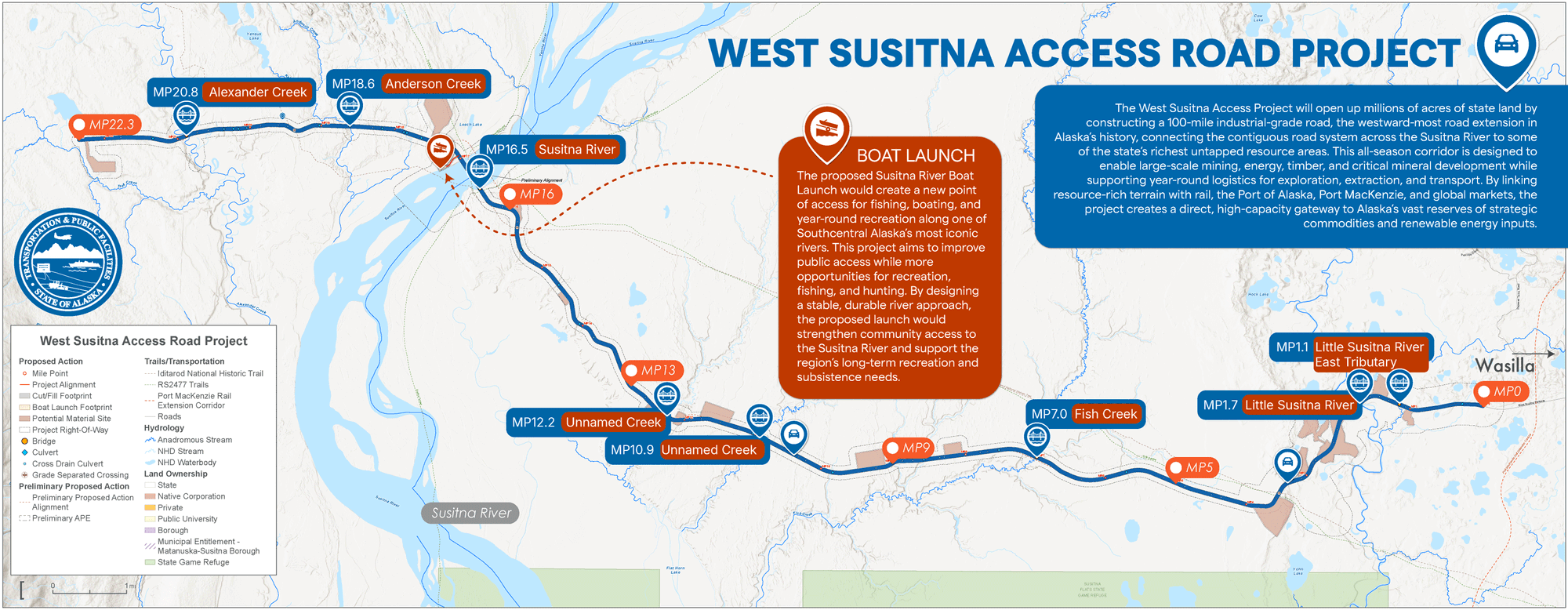
West Su Access Road on Permitting Fast Track
The West Susitna Access Road is now on a fast track for permitting approval.

Mat-Su Assembly pushes for school to start after Labor Day
A parent survey will go out before any changes are considered, school board members said.
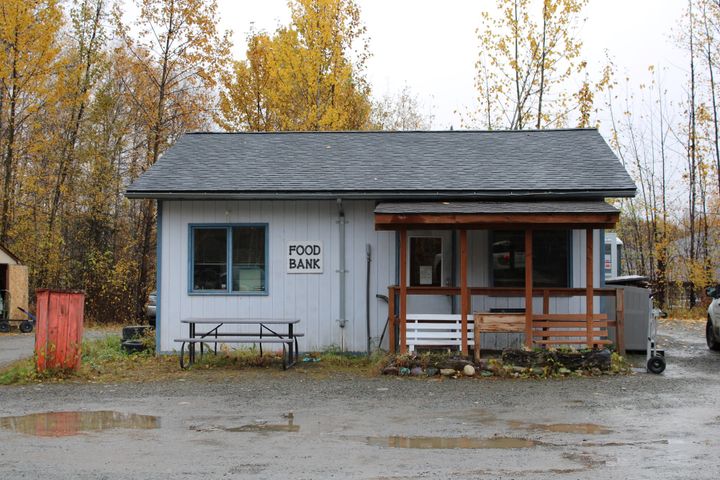
Capital Campaign at Upper Susitna Food Pantry
The pantry has plans for a 48x90 square foot building. This extra space would give the organization room for a prep kitchen, bathroom, waiting room, walk-in freezer and walk-in cooler.
Talkeetna Community Council Updates
updates on the Talkeetna Fire Department, several open public comment periods, and the acceptance of candidates for the November TCCI Board Election