



Staying safe with moose on the move
As breakup approaches, more and more Upper Valley residents are reporting close encounters with moose. KTNA’s Phillip Manning spoke with Ken Marsh, Public Information Officer for the Division of Wildlife
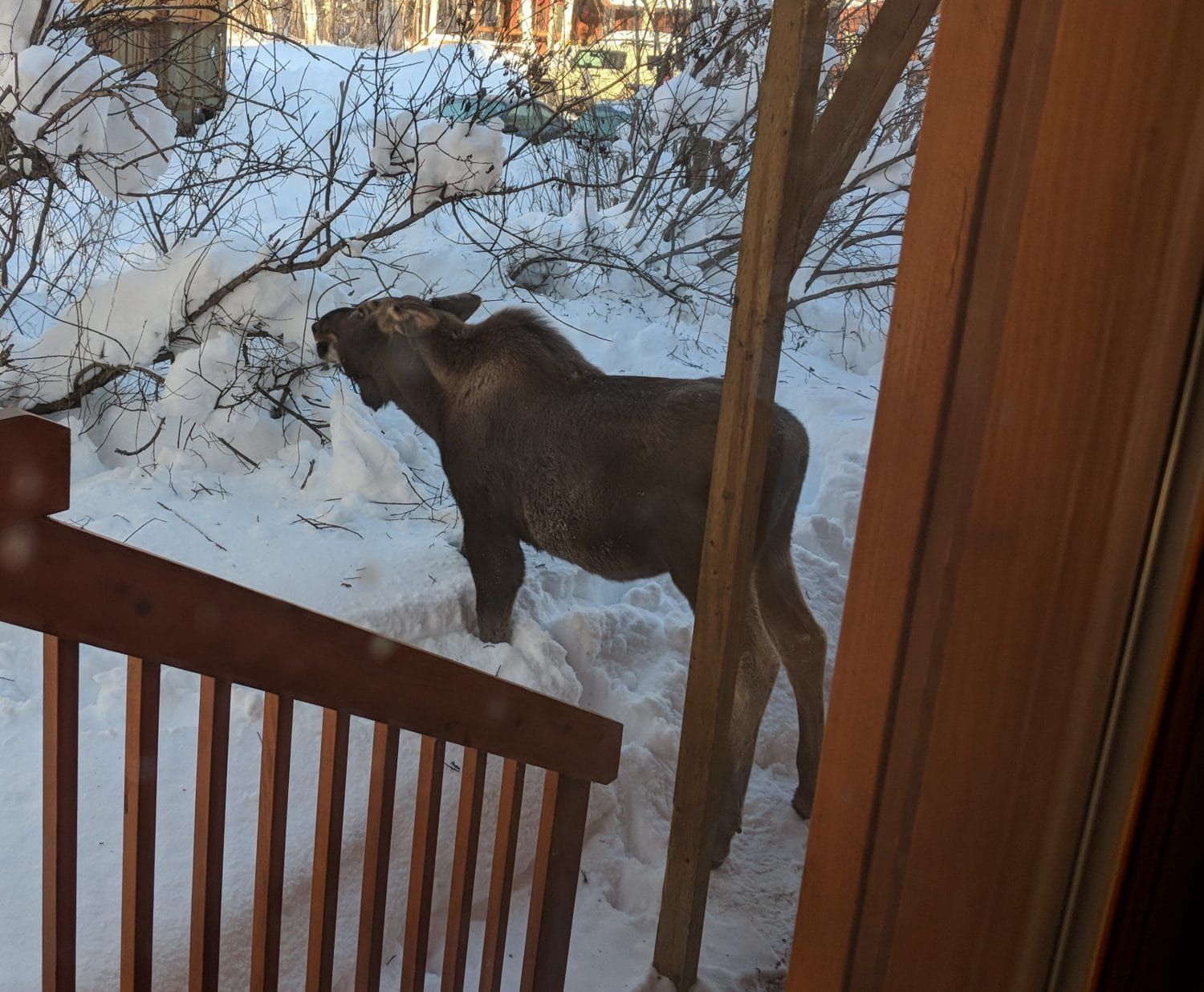
As breakup approaches, more and more Upper Valley residents are reporting close encounters with moose. KTNA’s Phillip Manning spoke with Ken Marsh, Public Information Officer for the Division of Wildlife Conservation of the Alaska Department of Fish and Game, about what causes moose to move closer to where humans are, and how people, pets, and wildlife can stay safe. The following Q&A is based off the interview above.
Q: Why are there more moose in areas where people live and work right now?
A: Moose have more difficulty getting around in heavy snow years, just like humans. Also, they have burned up their winter fat reserves, and are nutritionally stressed, and looking to find accessible food.
Q: What is the best thing humans can do to avoid a dangerous moose encounter on foot?
A: Keep your distance. Moose are often tired and irritable this time of year. If possible, walking a different route or delaying travel is the safest method if the moose isn’t moving away.
Q: With high snow berms and other obstacles blocking visibility, sometimes a human and a moose can surprise each other coming around a corner. What should you do, then?
A: At that point, you and the moose are probably both uncomfortable with the proximity. The best thing to do is back away. Moose are different than bears, and the predator-prey instinct isn’t a factor the way it is with bears. A moose is less likely to chase you if you try to get away.
Q: How can you tell if a moose is irritated?
A: Lowering its head, pinning back its ears, raising its hackles, licking its lips, and pawing the ground are all indicators that a moose is uncomfortable, and may charge.
Q: What if a moose does charge?
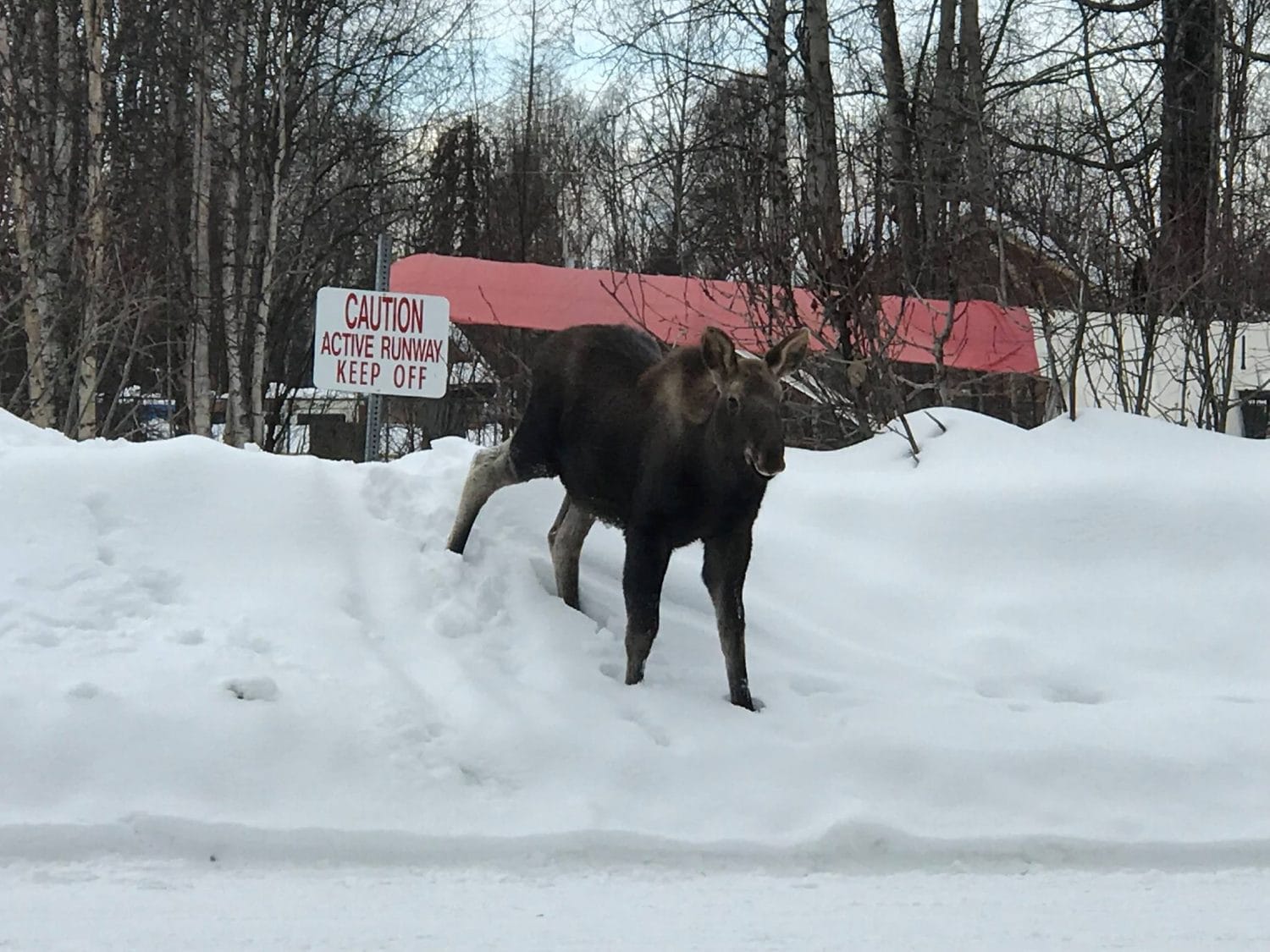
A: Run. Putting a tree or a vehicle between yourself and the moose is good, as is finding shelter in a building, or anything else that gets you out of its way. Moose usually won’t chase for long once they perceive that there is no more threat.
Q: What about pets and moose?
A: Moose instinctually correlate dogs with wolves, which can lead to a dangerous situation. Before letting a dog out to do its business, check to see if there is a visible moose in the area. When walking a dog, keep them leashed, and, if a moose is in the path, re-route to avoid it.
Read More
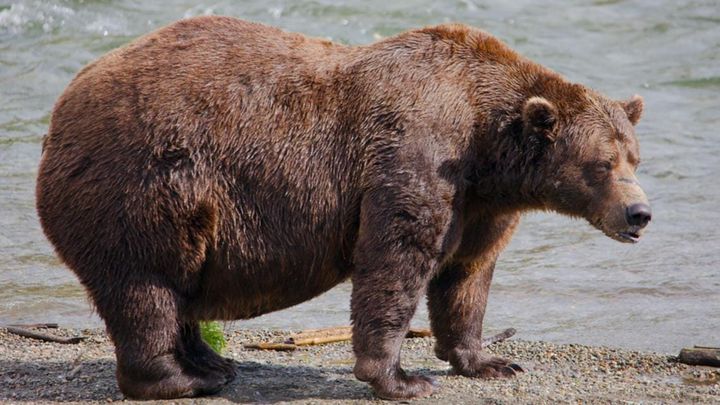
Alaska Celebrates its Fattest Bears During Fat Bear Week
During a summer feeding frenzy, the brown bears in Katmai National Park can grow to an enormous size.
StarDate Susitna 9-20-26, by Kathleen Fleming
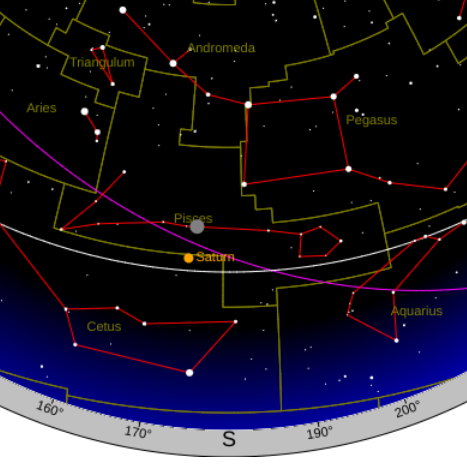
Dark skies are back, and so is StarDate Susitna. Kathleen Fleming will talk about the Fall Equinox, which is coming up on Tuesday the 22nd, as well as where to look for several planets visible in the mornings and evenings, when the clouds part.
MEA Has Solutions for Decreasing Gas in Short Term
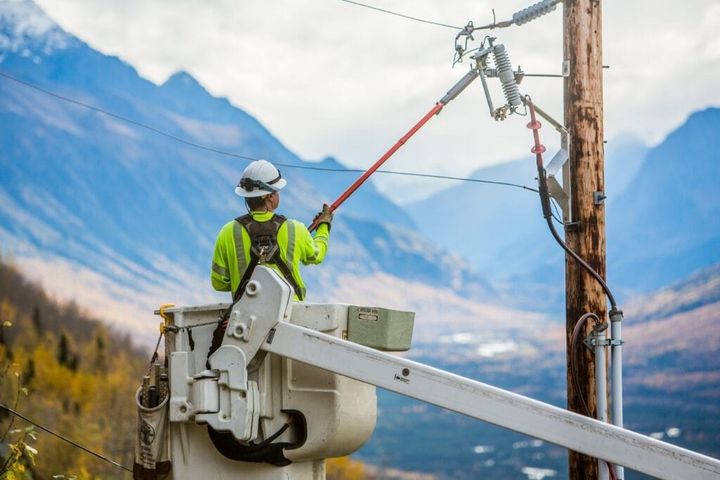
Gas production was the topic at a State Joint Resources Committee meeting last week.
Poor Road Conditions in Trapper Creek
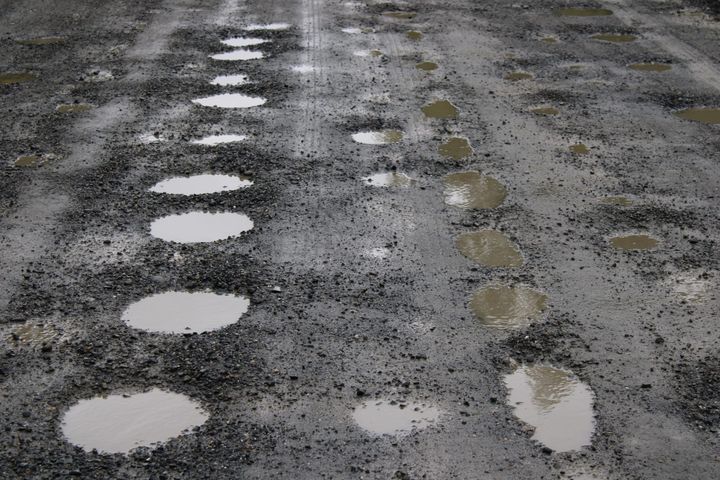
Crews start work on Susitna River Road and Bradley Road