



Susitna Dam Budget Follow-Up
20131213DamBudgetFollowUp With a major cut to the budget for next fiscal year, questions are cropping up about what’s next for the Susitna-Watana Hydroelectric Project. It was one of a number
With a major cut to the budget for next fiscal year, questions are cropping up about what’s next for the Susitna-Watana Hydroelectric Project. It was one of a number of capital projects that will lose a great deal of funding if Governor Sean Parnell’s proposed budget is passed as-is by the state legislature.
According to both Governor Parnell and the Alaska Energy Authority, over $100 million would be needed to complete the studies and prep work for a FERC license to build the dam by September of 2015. In the proposed budget, AEA will be receiving just $10 million for the Susitna-Watana project. Shortly after the budget was released on Thursday, AEA spokeswoman Emily Ford said in an email that the timeline would be reviewed and projects prioritized to keep the process moving.
Rick Leo with the Susitna River Coalition, a group opposed to the dam’s construction, says the final consequences of the budget cuts are unclear, but that they will be significant.
“It’s definitely going to require at least another field season of studies, conceivably two. We don’t know how much of the data that’s collected so far has to be continuous, meaning you can’t do it for a year, stop for a year, then pick it back up again and still have appropriate data, so the fact that the dam has already had a one year delay in its timeline is a given.”
In Thursday’s press conference following the budget announcement, Governor Parnell gave the reason for the budget cuts as lack of access to land owned by village corporations. AEA has been in negotiation with a working group formed by the landowners since early this summer. Debby Bloom, spokeswoman for Tyonek Native Corporation, says that the landowners did not receive enough recognition from AEA early in the process. She says that the process is still moving forward, albeit slowly.
In addition to implications for the dam project itself, the budget cut could impact the local economy in the Mat-Su Valley. According to AEA’s email on Thursday, over $8 million dollars was spent in the borough on food, travel, services, and supplies. If there are no studies, then that expenditure would not be repeated. Rick Leo believes that the trade-off is worth it.
“The fact that there may have been a little, tiny bubble due to the $8 million the state through at the borough is small potatoes compared to, for instance, $143 million seasonally for sport fishing alone.”
The book is not necessarily closed on funding for the dam project for fiscal year 2015. If a deal is reached, the possibility exists for the legislature to increase funding for the ongoing research. Whether support for that exists is another question. In an interview with APRN’s Alexandra Gutierrez earlier this month, Fairbanks Senator Pete Kelly suggested the possibility of dialing Susitna-Watana back during the state’s budget crunch.
“The other projects like Susitna…I don’t know how full speed ahead we need to go on that.”
For now, AEA is left to figure out what can still be accomplished with a budget less than ten percent of what they were hoping for. AEA could not be reached for additional comment.
Read More
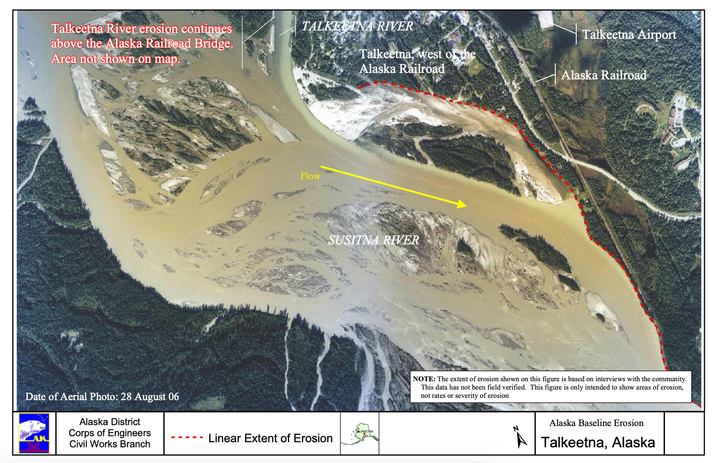
Erosion Mitigation Disaster Funding
The Borough is expected to secure $2 million in federal funds for the planning and design of a comprehensive flood protection system in the downtown area.
Su Valley Voice: KTNA News Department
In this episode host Trisha Costello was joined by all three of the news producers that make up the KTNA News Department.
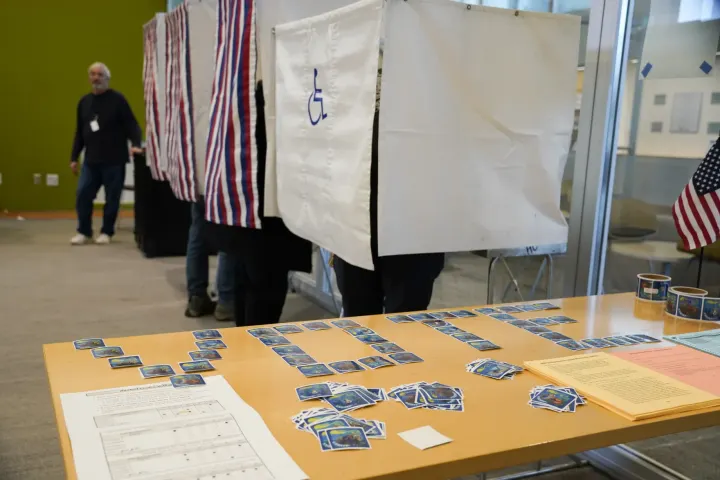
Here's how the Upper Susitna Valley's local precincts voted in statewide and district races
According to unofficial election results from the Alaska Division of Elections, the majority of Talkeetna residents voted in favor of Democrat Mary Peltola in the U.S. Senate Race

Six Minute Science 11-7-26, Episode 59 - Alaska Grown Grains
Alaska Grown grains like Sunshine Barley are helping to build Alaska's food resilience and provide economic opportunities for local Alaskans. UAF Institute for Agriculture, Natural Resources, and Extension Director Jodie Anderson talks about new grain varieties.