



Tales of the 4th grade salmon hatch
For 8 months students in 3rd, 4th, and 5th grade at Talkeetna Elementary have shared a classroom with a tank full of Coho salmon eggs. Those eggs have hatched, and
For 8 months students in 3rd, 4th, and 5th grade at Talkeetna Elementary have shared a classroom with a tank full of Coho salmon eggs. Those eggs have hatched, and the 4th graders are taking the salmon fry on a field trip to release them, as part of their “Alaska Studies” curriculum.
listen to full story:[audio:https://ktna.org/wp-content/uploads/2012/05/1SalmonSchool414.mp3|titles=1SalmonSchool414]
Salmon eggs need consistent environmental conditions. The 3rd and 4th graders in Mary Ostermick’s class at Talkeetna Elementary all know this. They’ve shared their classroom with an aquarium full of Coho salmon for the last 8 months. What began as little orange eggs slowly developed into little fish, and the students know that temperature, light, and food have all been critical to the fish’s development.
Just ask 4th grader Dalton Penard
Clip: 1
The salmon hatching project is is part of 4th grade’s Alaska studies curriculum, and students from 3rd, 4th, and 5th grade all get to observe their development, while keeping an eye on the tank.
The tank was provided by fish and game, and for most of the winter was insulated on all sides with blue foam, both to keep the temperature consistent, and to block out the light, just as ice cover would block the light reaching the eggs on a wild river.
4th grader Rosalee Meyer describes what it was like having the tank in the room for the whole time.
Clip: 2
Today, as part of the Mat Su Salmon Fest, the 4th graders released the fish into Matanuska Lake. It is the culmination of a biology lesson 8 months in the making. If these fish were to make it to the sea, they would live there for three to five years. Rosalee Meyers knows what would happen then
Clip: 3
Before they release the fish into the lake, they were paid a visit by Fish and Game biologist who talked to them about the circumstances fish rely upon to exist. Last fall, fish and game brought in salmon for the kids to dissect, where they learned about all the parts of the fish we don’t eat. Here’s Dalton and Rosalee describing what that experience was like
Clip: 4n
The Susitna river flows 200 yards behind Talkeetna elementary. In the fall, students who take a ten minute walk can see the last salmon of the season returning to their spawning grounds on the Talkeetna, Chulitna, and Susitna rivers. If it were to be built the proposed Susitna-Watana Dam would change the water temperature and ice formation on the Susitna river. Today’s fourth grade class might, in 15 years, be seeing a wholly different river ecosystem.
But for the science project of today, that’s still a long way off.
Read More

Su Valley Voice: KTNA News Department
In this episode host Trisha Costello was joined by all three of the news producers that make up the KTNA News Department.
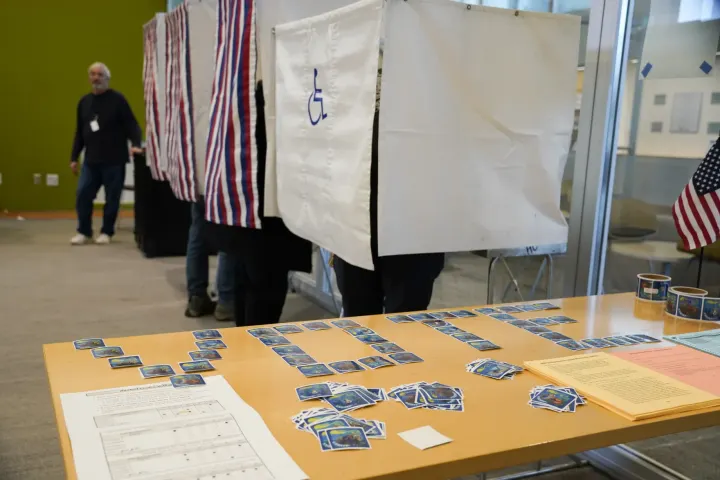
Here's how the Upper Susitna Valley's local precincts voted in statewide and district races
According to unofficial election results from the Alaska Division of Elections, the majority of Talkeetna residents voted in favor of Democrat Mary Peltola in the U.S. Senate Race

Six Minute Science 11-7-26, Episode 59 - Alaska Grown Grains
Alaska Grown grains like Sunshine Barley are helping to build Alaska's food resilience and provide economic opportunities for local Alaskans. UAF Institute for Agriculture, Natural Resources, and Extension Director Jodie Anderson talks about new grain varieties.

StarDate Susitna 11-8-26, by Kathleen Fleming
November can be a wonderful month for star gazing, and Kathleen Fleming wants to tell you about the night-sky events that may be visible in our Upper Susitna skies.